In a world where many spend significant hours seated at their desks, the importance of a comfortable and supportive office chair cannot be overstated. Standard chairs often fall short for individuals needing more space, leading to discomfort, poor posture, and reduced productivity. This is where a Wide Office Chair becomes an indispensable solution, offering generous dimensions and advanced ergonomic features to accommodate diverse body types and preferences. Investing in the right wide office chair is not just about furniture; it’s an investment in your well-being, focus, and overall career satisfaction.
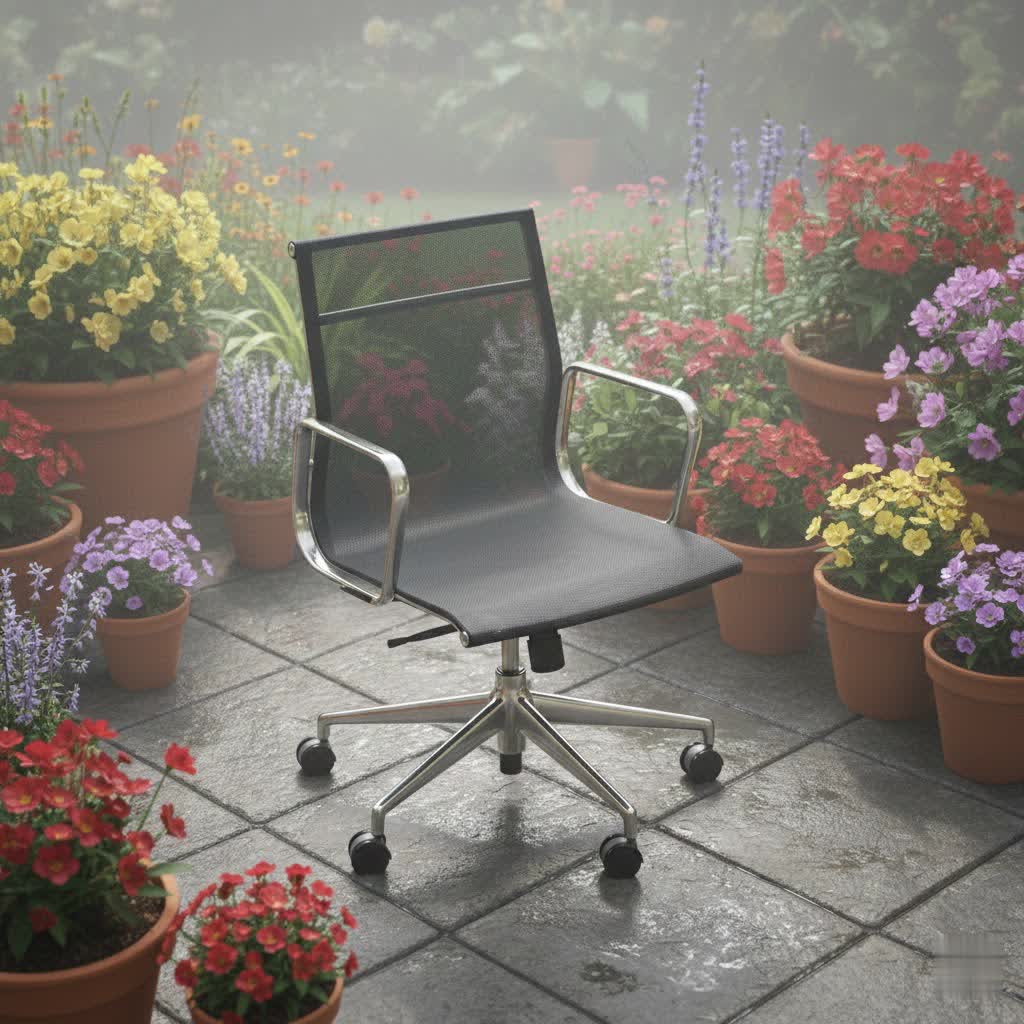
Wide Office Chairs: Overview and Benefits
Wide office chairs are specifically designed with a broader seat and often a wider backrest than conventional models, providing ample space for users. This generous width is crucial for individuals who are larger-framed, prefer more room to shift positions, or even like to sit cross-legged while working. The core benefit lies in moving beyond the constraints of standard seating, which typically measures 17-20 inches in width and may cause discomfort or restrict natural movement.
Choosing a wide office chair brings a multitude of advantages that enhance both comfort and productivity in any workspace:
- Exceptional Spaciousness: The defining feature of these chairs is their generous width, providing ample room for movement and a relaxed posture. This extra space ensures comfort for individuals of all sizes, allowing for natural shifts in position and reducing fatigue during long hours. This ability to move freely directly contributes to better circulation and overall physical well-being.
- Superior Ergonomic Support: Many wide office chairs incorporate ergonomic designs, including adjustable lumbar support, seat height, and depth, which promote healthy posture and spinal alignment. A wider seat also facilitates better weight distribution, reducing pressure points that can lead to pain and fatigue.
- Enhanced Comfort and Durability: Built with high-quality materials and often plush cushioning, wide office chairs deliver a comfortable and supportive experience. Designed to accommodate larger weight loads, these chairs are typically more robust, offering increased durability and longevity through reinforced construction and sturdy materials.
Understanding Wide Office Chair Types
While the primary characteristic is width, wide office chairs often fall into categories based on their overarching design principles and target users:
- Ergonomic Wide Office Chairs: These chairs prioritize adjustability and support for maintaining optimal posture. They feature a generous seat width alongside crucial ergonomic functions like adjustable lumbar support, seat height, depth, and sometimes width-adjustable armrests. They are ideal for anyone seeking comprehensive body support with the added benefit of extra room.
- Heavy-Duty / Big & Tall Wide Office Chairs: Specifically engineered for larger and taller individuals, these chairs combine extra width and depth with significantly higher weight capacities (often up to 400 lbs or more) and reinforced frames. They feature robust construction, taller backrests, and more substantial cushioning to ensure stability and comfort for extended periods.
- Executive Wide Office Chairs: These models often feature premium materials like genuine leather, plush cushioning, and sophisticated designs, making them suitable for executive settings or those desiring a luxurious seating experience. They typically offer a high backrest for full spinal support and elegant aesthetics.
Key Features to Look for in a Wide Office Chair
Selecting the right wide office chair involves understanding the critical features that contribute to comfort, support, and longevity.
- Seat Dimensions: Beyond just width, consider the seat depth. An ideal seat allows you to sit with your back against the backrest and have a small gap (about 1-2 inches) between the edge of the seat and the back of your knees, preventing pressure and promoting healthy circulation. The seat should also be contoured with a waterfall front to prevent thigh compression.
- Adjustability: Comprehensive adjustability is paramount for a personalized fit:
- Seat Height: Allows you to position your feet flat on the floor with knees at a 90-degree angle.
- Seat Tilt and Recline: Enables users to lean back comfortably, reduce spinal pressure, and shift positions throughout the day. A tension-adjustable tilt mechanism is beneficial for relaxed reclining.
- Lumbar Support: Adjustable lumbar support (up, down, and sometimes in/out) is crucial for matching the natural curve of your lower back and preventing strain.
- Armrests: Height, width, and pivot adjustments allow armrests to support your arms and shoulders effectively without causing strain, especially important for ensuring they don’t feel too wide or too narrow.
- Material and Breathability: High-quality materials like durable fabric, breathable mesh, or genuine leather offer different benefits. Mesh backs, for instance, provide excellent airflow, keeping you cool during long work sessions. Cushioned seats with high-density foam help distribute weight evenly.
- Weight Capacity and Durability: A higher weight capacity generally signifies a more robust and durable chair, built with a sturdy frame (e.g., steel or aluminum) that can withstand daily use over many years.
- Mobility: Smooth-rolling casters and a 360-degree swivel mechanism are essential for effortless movement around your workspace, reducing strain from reaching or twisting.
Comparison: Wide vs. Standard Office Chairs
The fundamental difference between wide and standard office chairs lies in their dimensions and target user. Standard chairs, with typical seat widths of 17-20 inches, are designed for the average adult. In contrast, wide office chairs often boast seat widths ranging from 22-25 inches or more, providing significantly more room. This extra space is not just a luxury; it’s a necessity for better pressure distribution, reduced hip and back strain, and improved circulation, especially for larger individuals or those who find standard chairs restrictive. While standard chairs typically support around 250 lbs, wide and heavy-duty models can comfortably accommodate up to 400 lbs or more, thanks to reinforced construction. The greater adjustability often found in wide ergonomic chairs further enhances their ability to provide tailored support that standard models simply cannot offer to a diverse user base.
How to Choose the Perfect Wide Office Chair (Buying Guide)
Finding the ideal wide office chair requires a thoughtful approach to ensure it meets your specific needs.
- Assess Your Needs: Begin by identifying your primary requirements. How many hours do you spend sitting daily? Do you have any existing back pain or posture concerns? Consider your body size and shape; do you often feel cramped in standard chairs or prefer ample room for movement?
- Determine Your Budget: Wide office chairs vary significantly in price, from value-oriented options to premium, feature-rich models. Establish a budget range, remembering that a high-quality chair is a long-term investment in your health and productivity.
- Consider Your Workspace: Measure your desk height and the available space in your office to ensure the chair fits comfortably without making your area feel cramped. Ensure there’s enough room for the chair’s footprint and for you to move freely.
- Prioritize Adjustability: Look for chairs that offer comprehensive adjustability in seat height, depth, tilt, recline, lumbar support, and particularly armrest height and width. These features allow you to customize the fit to your unique body and posture.
- Evaluate Materials and Durability: Choose materials that offer both comfort and longevity, such as breathable mesh, durable fabric, or high-quality leather. Verify the chair’s weight capacity and look for robust construction materials like steel or aluminum for the frame and base.
- Test for Comfort (If Possible): If feasible, try sitting in different models before purchasing. Spend some time in the chair, testing all adjustable features to gauge its comfort and support. This hands-on experience is invaluable in determining if a chair is truly right for you.
- Check Certifications: Look for BIFMA (Business and Institutional Furniture Manufacturers Association) certification, which indicates the chair meets industry standards for safety, durability, and ergonomic performance.
Top Picks: Highly-Rated Wide Office Chairs
The market offers a range of excellent wide office chairs catering to various needs and budgets. While specific models evolve, general categories consistently receive high marks for their spacious design and ergonomic features:
- Best Overall Ergonomic Wide Chairs: These chairs excel in offering a balance of generous seat dimensions, extensive adjustability, and superior support. They often feature dynamic lumbar support, multi-dimensional armrests, and high-quality, breathable materials, suitable for long workdays.
- Best Heavy-Duty Wide Chairs: Designed for durability and higher weight capacities, these chairs boast reinforced frames, extra-wide seats, and robust components. They are ideal for users needing exceptional stability and long-term support.
- Best Value Wide Chairs: For those on a budget, several manufacturers offer wide office chairs that provide significant comfort and essential ergonomic features without the premium price tag. These typically focus on core adjustability and durable, practical materials.
> “A good office chair is more than just a place to sit; it’s a partner in your daily work, enabling efficiency and sustained comfort.”
Common Issues and Solutions
Even with a well-chosen wide office chair, users might encounter issues. Addressing these proactively can significantly enhance your experience.
- Back Pain or Discomfort After Sitting:
- Cause: Often due to incorrect chair adjustments or poor posture.
- Solution: Take the time to properly adjust your chair’s height, lumbar support, and armrests to fit your body. Ensure your feet are flat on the floor, your back is supported, and your shoulders are relaxed. Experiment with different settings. Take regular short breaks (every 20-30 minutes) to stand, stretch, and move around to improve circulation and reduce stiffness.
- Chair Squeaking or Looseness:
- Cause: Loose bolts or components, or lack of lubrication in moving parts.
- Solution: Regularly check and tighten all screws and bolts. Apply a silicone-based lubricant to moving parts like the gas lift cylinder or swivel mechanism if squeaking persists.
- Maintaining Cleanliness:
- Cause: Accumulation of dust, spills, and general wear.
- Solution: Regular cleaning prolongs the life and appearance of your chair. For mesh or fabric chairs, vacuum regularly and spot-clean with a mild detergent. Leather chairs should be wiped with a damp cloth and conditioned periodically to prevent drying and cracking. Always refer to the manufacturer’s cleaning instructions.
Conclusion
The importance of a wide office chair extends far beyond simple seating, serving as a critical foundation for comfort, health, and productivity in any work environment. By offering ample space, superior ergonomic support, and enhanced durability, these chairs address the unique needs of diverse body types and preferences. Investing in a high-quality wide office chair means choosing a tool that not only prevents discomfort and fosters better posture but also empowers you to concentrate better and sustain focus throughout your workday. It’s a strategic decision that pays dividends in your overall well-being and professional effectiveness.
Are you ready to transform your workspace with the perfect wide office chair that truly supports you?
Frequently Asked Questions
What defines a wide office chair?
|
Our Picks for the Best Office Chair in 2026
As an Amazon Associate I earn from qualifying purchases.
|
||
| Num | Product | Action |
|---|---|---|
| 1 | Amazon Basics Executive Desk Chair with Easy Assembly, 275lb Capacity, Oversized Cushion, 29.13"D x 25.2"W x 43.11"H, Ivory Bonded Leather |

|
| 2 | Amazon Basics Ergonomic High-Back Office Chair with Flip-Up Arms, Adjustable Lumbar Support, Height Adjustable, 29.5"D x 27.5"W x 44.75"H, Black |
|
| 3 | TRALT Office Chair - Ergonomic Desk Chair with Adjustable Lumbar Support, Mesh Computer Chair, Executive Chairs for Home Office Comfortable Lumbar Support (Black) |
|
| 4 | COMHOMA Big and Tall Office Chair 400LBS Wide Ergonomic Gaming Chair with Deluxe Embossing Designed Leather with Foot Rest,150°Reclining Adjustable Armrests Pocket Spring Back Support and Pillow |
|
| 5 | Amazon Basics Classic Puresoft PU Padded Mid-Back Height Adjustable Office Computer Desk Chair with Armrest, 26"D x 23.75"W x 42"H, Black |
|
| 6 | Amazon Basics Ergonomic Executive Office Desk Chair with Lumbar Support, Flip-up Armrests, Adjustable Height, Cream Leather |
|
| 7 | Vanity Chair with Wheels,Cute Cat Paw Office Chair with Back,360°Rotating Height Adjustable Armless Chair in Vibrant Color-Blocking,Small Desk Chair,Plush Cushion for Bedroom,Make-Up Room Home Office |
|
| 8 | Marsail Ergonomic Office Chair: Office Desk Chair with High Back Mesh and Adjustable Lumbar Support Rolling Work Swivel Task Chairs with Wheel 3D Armrests and Headrest |
|
| 9 | Big and Tall Office Chair with Footrest, High Back Executive Leather Desk Chair with Lumbar Support, Reclining Office Chair with Adjustable Angle, Home Office Ergonomic Computer Gaming Chair |
|
| 10 | BestOffice - Ergonomic Office Chair - Mid-Back Swivel Desk Chair - Breathable Backrest & Lumbar Support - Adjustable Height - Sponge Seat - Rolling Wheels - Dark Black - for Adults & Women |
|
A wide office chair is characterized by a generously sized seat, typically exceeding the standard 17-20 inches in width, and often includes a broader backrest. This design provides more room for users, accommodates various body types, and allows for greater freedom of movement compared to conventional office chairs.
Who benefits most from a wide office chair?
Individuals with a larger physique, those who prefer to sit in varied positions (like cross-legged), or anyone who finds standard chairs restrictive will benefit most. Wide chairs are also ideal for enhancing comfort and reducing pressure points during long hours of sitting.
How does seat depth relate to seat width in an ergonomic chair?
While seat width provides lateral space, seat depth ensures proper thigh support without hindering circulation behind the knees. An ergonomic wide chair typically offers both sufficient width and adjustable depth, allowing users to maintain a healthy posture with 1-2 inches between the seat edge and their calves.
Are wide office chairs always “big and tall” chairs?
Not always, but there is significant overlap. Many big and tall chairs inherently feature wider seats and backrests to accommodate larger frames and higher weight capacities. However, a wide office chair might simply be designed for users who desire more sitting space, regardless of their height or specific “tall” requirements.
What is the ideal seat width for an office chair?
The ideal seat width ensures your hips and thighs have enough room to relax without feeling squeezed, typically allowing a small gap of about 1-2 inches between your hips and the sides of the seat. For many, this means a chair with a seat width of 22 inches or more.
How do I maintain my wide office chair for longevity?
Regular maintenance is key. This includes routinely checking and tightening any loose bolts or screws, occasionally lubricating moving parts like the gas lift and swivel mechanism, and cleaning the upholstery according to the manufacturer’s instructions. This prevents wear and tear and maintains optimal functionality.
Can a wide office chair improve my posture?
Yes, a well-chosen wide office chair with good ergonomic features like adjustable lumbar support, seat height, and depth can significantly improve posture. The extra space allows for more natural movement and better weight distribution, reducing the tendency to slouch or feel confined, which are common causes of poor posture.
