For individuals blessed with height, the quest for a comfortable and ergonomically sound office chair often feels like an uphill battle. Standard office chairs, typically designed for average heights, fall short in providing the necessary support, leading to a host of discomforts from slouching to persistent back pain. Investing in a specialized Tall Office Chair is not just about luxury; it’s a critical step toward ensuring your long-term health, comfort, and productivity in any workspace. This guide will explore everything you need to know to select a tall office chair that truly fits your unique needs.
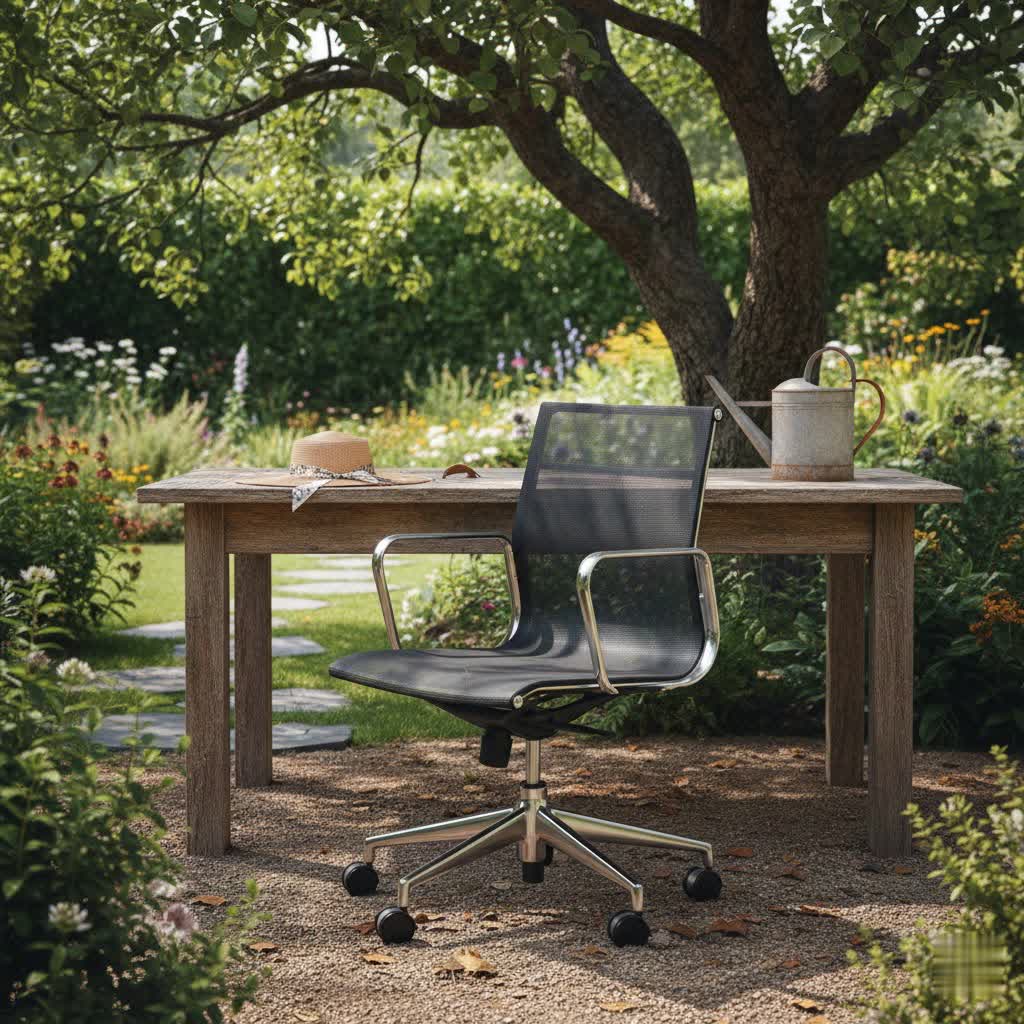
The Tall Office Chair: Overview and Essential Benefits
A tall office chair is specifically engineered to accommodate the anatomical requirements of taller individuals, typically those over 6 feet. Unlike standard chairs, which often leave taller users with unsupported backs, dangling feet, and strained necks, these specialized chairs provide extended dimensions and enhanced adjustability. The importance of a properly fitting chair cannot be overstated, as it directly impacts your physical well-being and efficiency.
Many standard chairs lead to discomfort because their seat height, depth, and backrest dimensions are inadequate. This can result in improper posture, circulation issues in the legs, and undue strain on the back and neck. A quality tall office chair, however, is designed to support your entire spine, ensure proper thigh support, and allow your feet to rest comfortably on the floor. This tailored fit significantly improves posture, enhances comfort, and can dramatically boost productivity during long workdays.
Understanding Types of Office Chairs for Tall Users
While the market offers various general office chair types like executive, mesh, and ergonomic chairs, the key for tall individuals lies in how these designs are adapted to provide extended support.
- Ergonomic Tall Office Chairs: These are paramount, focusing on adjustability across multiple dimensions. They are designed to promote a neutral posture, preventing strain and discomfort.
- High-Back Tall Office Chairs: Essential for providing full spinal support, often extending above the shoulders to include head and neck support.
- “Big & Tall” vs. “Tall” Chairs: It’s crucial to understand the distinction. “Tall” chairs cater to height, focusing on extended dimensions for people of average weight. “Big & Tall” chairs, conversely, are designed for both taller and heavier individuals, featuring wider seats, reinforced frames, and higher weight capacities (often 300+ lbs). Taller individuals of average build should typically opt for “tall” chairs to avoid paying for unnecessary weight capacity and potentially sacrificing height-specific ergonomic optimizations.
Key Features: What Makes a Chair Truly Tall-Friendly?
Selecting the right tall office chair hinges on several critical features that address the unique needs of taller individuals.
Extended Seat Height Adjustment
|
Our Picks for the Best Office Chair in 2026
As an Amazon Associate I earn from qualifying purchases.
|
||
| Num | Product | Action |
|---|---|---|
| 1 | Amazon Basics Executive Desk Chair with Easy Assembly, 275lb Capacity, Oversized Cushion, 29.13"D x 25.2"W x 43.11"H, Ivory Bonded Leather |

|
| 2 | BestOffice - Ergonomic Office Chair - Mid-Back Swivel Desk Chair - Breathable Backrest & Lumbar Support - Adjustable Height - Sponge Seat - Rolling Wheels - Dark Black - for Adults & Women |
|
| 3 | Amazon Basics Ergonomic High-Back Office Chair with Flip-Up Arms, Adjustable Lumbar Support, Height Adjustable, 29.5"D x 27.5"W x 44.75"H, Black |
|
| 4 | Amazon Basics Ergonomic Executive Office Desk Chair with Lumbar Support, Flip-up Armrests, Adjustable Height, Cream Leather |
|
| 5 | Big and Tall Office Chair with Footrest, High Back Executive Leather Desk Chair with Lumbar Support, Reclining Office Chair with Adjustable Angle, Home Office Ergonomic Computer Gaming Chair |
|
| 6 | Amazon Basics Classic Puresoft PU Padded Mid-Back Height Adjustable Office Computer Desk Chair with Armrest, 26"D x 23.75"W x 42"H, Black |
|
| 7 | Vanity Chair with Wheels,Cute Cat Paw Office Chair with Back,360°Rotating Height Adjustable Armless Chair in Vibrant Color-Blocking,Small Desk Chair,Plush Cushion for Bedroom,Make-Up Room Home Office |
|
| 8 | TRALT Office Chair - Ergonomic Desk Chair with Adjustable Lumbar Support, Mesh Computer Chair, Executive Chairs for Home Office Comfortable Lumbar Support (Black) |
|
| 9 | COMHOMA Big and Tall Office Chair 400LBS Wide Ergonomic Gaming Chair with Deluxe Embossing Designed Leather with Foot Rest,150°Reclining Adjustable Armrests Pocket Spring Back Support and Pillow |
|
| 10 | Marsail Ergonomic Office Chair: Office Desk Chair with High Back Mesh and Adjustable Lumbar Support Rolling Work Swivel Task Chairs with Wheel 3D Armrests and Headrest |
|
A fundamental requirement, the seat height must adjust to allow your feet to rest flat on the floor with your knees at a 90-degree angle. Standard chairs typically adjust up to around 18 inches, but tall users often require a range extending to 20-23 inches or even higher. This prevents leg cramping and ensures proper circulation.
Deep Seat Depth
Tall individuals typically have longer femurs, necessitating a deeper seat to fully support their thighs without causing pressure behind the knees. Look for chairs with a seat depth of 20-22 inches or more. Adjustable seat depth is an invaluable feature, allowing you to customize the fit and maintain optimal comfort and circulation.
High Backrest and Headrest Support
A high backrest is vital for supporting the entire spine, from the lumbar region up to the shoulders and head. Many standard chairs leave the upper back and neck unsupported for taller users, leading to slouching and strain. A backrest that extends 26 inches or more is ideal, often incorporating an adjustable headrest that can be positioned correctly to support your neck.
Adjustable Lumbar Support
Proper lumbar support helps maintain the natural curve of your lower back. For tall users, it’s essential that this support can be adjusted vertically to align with your specific lumbar curve, as fixed lumbar supports on standard chairs are often too low.
Multi-Dimensional Armrest Adjustability
Armrests should support your forearms and elbows, reducing tension in your shoulders and neck. For tall individuals, 3D (height, width, depth) or even 4D (adding pivot/swivel) adjustable armrests are highly recommended. They allow you to position your arms comfortably at desk level without shrugging your shoulders.
Robust Build Quality and Durable Materials
Given the increased stress from a taller frame, the chair’s construction must be exceptionally sturdy. Look for high-grade materials like steel frames, reinforced bases, and heavy-duty gas cylinders. Breathable mesh upholstery can enhance comfort by preventing heat buildup, while high-density foam padding maintains support and shape over time.
Comparison Table of Tall Office Chair Features
| Feature | Standard Office Chair (Typical) | Tall Office Chair (Recommended) | Importance for Tall Users |
|---|---|---|---|
| Seat Height | 16-20 inches | 18-24 inches or more | Ensures feet flat on floor, knees at 90°, preventing leg discomfort. |
| Seat Depth | 17-19 inches | 20-22+ inches (adjustable ideal) | Supports longer thighs, avoids pressure behind knees. |
| Backrest Height | Stops mid-back/shoulder | 26+ inches (with headrest) | Full spinal, upper back, neck, and head support. |
| Lumbar Support | Fixed or limited adjustment | Height-adjustable | Proper alignment with specific lumbar curve. |
| Armrest Adj. | Fixed or 1D (height only) | 3D or 4D (height, width, depth, pivot) | Reduces shoulder/neck strain, supports arms at optimal height. |
| Weight Capacity | 200-250 lbs | 250-400+ lbs (if “Big & Tall”) | Ensures durability and safety, even for average-weight tall users. |
| Frame Material | Plastic, lighter steel | High-grade steel, reinforced base | Enhanced stability and longevity. |
Your Comprehensive Tall Office Chair Buying Guide
Choosing the ideal tall office chair requires a methodical approach to ensure it truly meets your needs.
1. Measure Yourself First
Before looking at chairs, take your measurements. Determine your ideal seat height (thighs parallel to the floor, feet flat), seat depth (distance from back of knee to lower back), and the required backrest height for full spinal and head support. This personal data is your best guide.
2. Scrutinize Product Specifications
Always review the detailed product specifications. Focus on the chair’s adjustable seat height range, seat depth, and backrest height. Don’t solely rely on “tall” or “big & tall” labels; verify the actual dimensions. Also, check the chair’s weight capacity to ensure it aligns with your needs.
3. Prioritize Adjustability and Ergonomics
The more adjustable features a chair has, the better it can be customized to your body. Look for independent controls for seat height, depth, backrest angle, lumbar support, and armrests. Ergonomics should always take precedence over aesthetics.
4. Try Before You Buy
If possible, test chairs in person. Sit in the chair for a few minutes and assess:
- Are your feet flat on the floor with knees at a 90-degree angle?
- Is your lower back fully supported, with the lumbar support aligned correctly?
- Is there 1-2 inches of space between the seat edge and the back of your knees?
- Do your arms rest naturally on the armrests without shrugging your shoulders?
- Does the backrest provide full support up to your shoulders or head, even when reclining?
5. Consider Your Budget and Warranty
Tall office chairs often represent a significant investment. Establish a budget, but remember that a high-quality, ergonomic chair is an investment in your health and productivity. Check the warranty and return policy, as reputable brands offer substantial guarantees on their specialized chairs.
6. Avoid Common Mistakes
A frequent error is purchasing a “big and tall” chair when only “tall” features are needed, leading to unnecessary expense and potentially missing height-specific optimizations. Another mistake is overlooking seat depth, which is as crucial as seat height for proper leg support. Don’t compromise on essential ergonomic features for a chair that merely “looks good.”
Top Characteristics of Highly-Rated Tall Office Chairs
Highly-regarded tall office chairs consistently feature a blend of advanced engineering and user-centric design. They often boast multi-functional synchronization mechanisms, allowing the seat and backrest to recline together while maintaining optimal ergonomic angles. Breathable mesh materials are frequently used for their cooling properties, especially beneficial during long hours of use. Many incorporate sophisticated adaptive lumbar systems that dynamically adjust to your movements, providing continuous support. Durable, heavy-duty components like reinforced aluminum bases and high-grade gas lifts ensure longevity and stability, reflecting a commitment to accommodating the specific demands of taller users. These chairs are often praised for their intuitive controls, enabling effortless customization to achieve the perfect fit.
Solving Common Issues for Tall Desk Workers
Even with the best tall office chair, some issues might arise. Here’s how to address them:
- Persistent Back Pain: Ensure your lumbar support is correctly positioned for your lower back curve. Adjust your recline angle slightly (100-110 degrees) to reduce spinal pressure. Take regular breaks to stand and stretch.
- Neck and Shoulder Strain: Verify your headrest is at the appropriate height to support your head and neck comfortably. Adjust armrests so your elbows are at approximately 90 degrees and shoulders are relaxed, not shrugging.
- Leg Discomfort or Poor Circulation: Recheck your seat height to ensure your feet are flat and knees are at 90 degrees. If the seat depth is adjustable, ensure it supports your full thigh without pressing into the back of your knees. A footrest can also be beneficial if your feet don’t quite reach the floor.
- Chair Squeaks or Instability: Regularly check and tighten any screws or bolts. Lubricate moving parts if necessary. Ensure the chair is on a flat, even surface.
Regular cleaning and maintenance, according to manufacturer guidelines, will also prolong the life and performance of your tall office chair.
Conclusion
Finding the perfect tall office chair is an investment in your health, comfort, and daily performance. Standard chairs simply cannot provide the tailored support taller individuals require, leading to discomfort and potential long-term health issues. By focusing on critical features like extended seat height and depth, a high backrest with adjustable lumbar support, and multi-dimensional armrests, you can confidently select a chair that truly fits your unique physique. Prioritize adjustability and durable construction, and always check the specifications against your own measurements. Don’t settle for anything less than a chair that empowers you to work comfortably and efficiently. How will a properly fitted tall office chair transform your workday?
