Spending countless hours at your desk can take a significant toll on your body, often leading to discomfort, poor posture, and persistent aches. If you’ve ever found yourself shifting restlessly or wincing with pain after a long workday, it might be time to consider an Orthopedic Office Chair. These specialized chairs are engineered not just for comfort, but to actively support your spine’s natural alignment, alleviate existing pain, and foster overall well-being in your workspace. This guide will delve into what makes an orthopedic office chair a crucial investment for your health, how it differs from a standard ergonomic chair, and the key features to look for when choosing the perfect one for your needs.
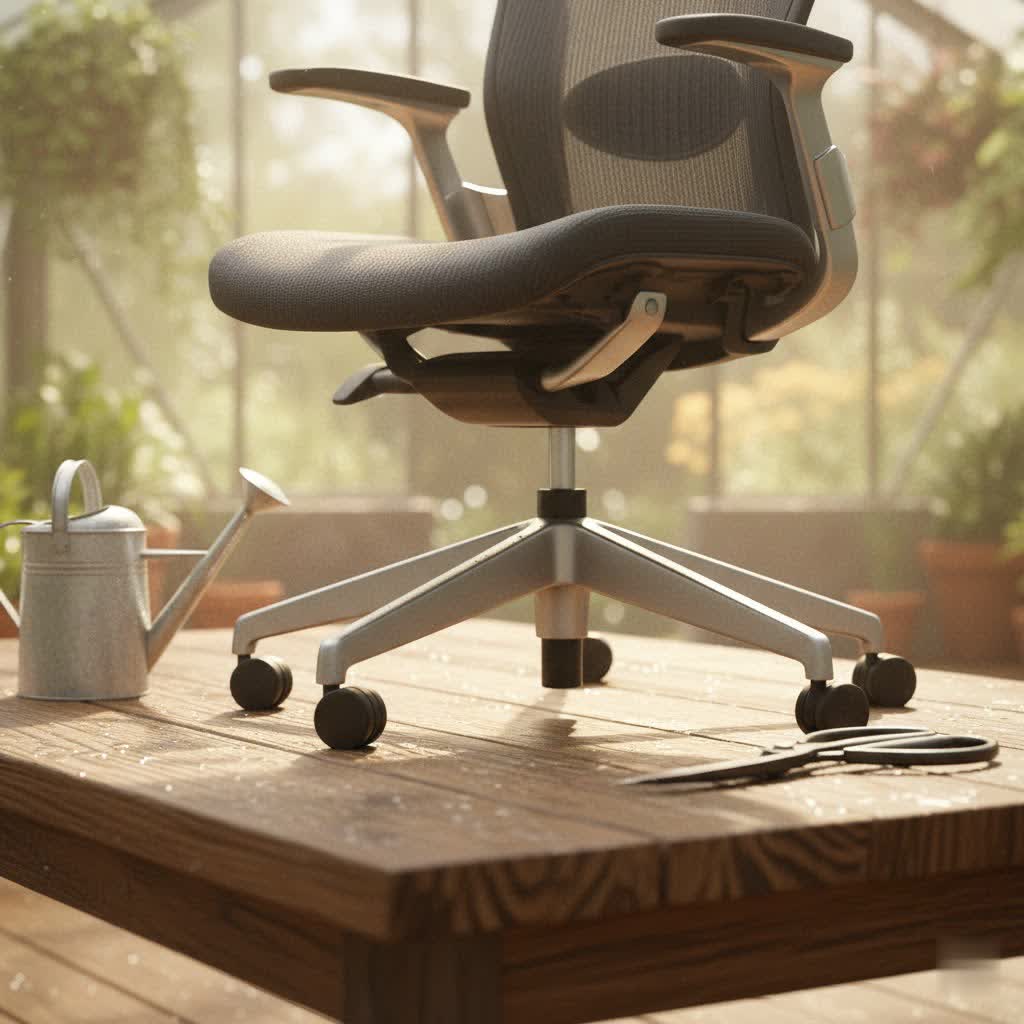
Orthopedic Office Chairs: An Overview and Their Benefits
An orthopedic office chair is much more than a typical seat; it’s a meticulously designed piece of furniture aimed at providing targeted support for your spine and musculoskeletal system. Unlike conventional office chairs that offer basic seating, orthopedic chairs are specifically crafted to adapt to your body’s natural curves, promote healthy posture, and minimize strain on muscles and joints during prolonged periods of sitting. They are particularly beneficial for individuals already experiencing back pain, sciatica, hip discomfort, or those recovering from injuries, by offering a firmer, more structured support system.
The importance of such a chair cannot be overstated in today’s sedentary work culture. Investing in a quality orthopedic chair is investing in your long-term health and productivity. When your body is properly supported, you can focus on your tasks without the distraction of discomfort, leading to enhanced concentration and efficiency.
The primary advantages of using an orthopedic office chair include:
- Improved Posture: These chairs encourage your spine to maintain its natural S-curve, preventing slouching and promoting an upright, healthy sitting position.
- Reduced Back and Neck Pain: With specialized lumbar and neck support, orthopedic chairs actively work to alleviate existing pain and prevent the common aches associated with prolonged sitting.
- Enhanced Comfort: Featuring high-density or dual-density cushioning and breathable materials, these chairs distribute body weight evenly, reducing pressure points for sustained comfort.
- Boosted Productivity: When free from discomfort, your ability to concentrate and perform at your best significantly improves, directly impacting your work efficiency.
- Long-Term Health Protection: Regular use can prevent the development of musculoskeletal disorders and other chronic issues often linked to poor seating habits.
- Targeted Pressure Relief: Strategic contours and padding provide relief to specific areas like the lower back and hips, crucial for individuals with existing conditions.
- Improved Circulation: By reducing pressure on the lower back and hips, orthopedic chairs can enhance blood flow to your legs and feet, preventing numbness and discomfort.
Orthopedic vs. Ergonomic Office Chairs: Understanding the Distinction
While the terms “orthopedic” and “ergonomic” are often used interchangeably, there’s a significant difference in their primary purpose and design philosophy. Understanding this distinction is key to choosing the right chair for your specific needs.
An ergonomic office chair is generally designed to prevent discomfort for the average person who spends long hours at a desk. Its main goal is to promote good posture, reduce strain, and improve circulation before problems arise. Ergonomic chairs are characterized by their extensive adjustability, allowing users to customize various components to fit their body perfectly. These adjustments typically include seat height, depth, and tilt; backrest angle; and armrest height. They act as a general-purpose posture coach, encouraging healthy alignment of the spine, shoulders, and hips.
In contrast, an orthopedic office chair is specifically engineered to manage or alleviate existing musculoskeletal problems. It provides targeted, often firmer, and more structured support for conditions like chronic lower back pain, sciatica, hip discomfort, or during recovery from injury. Orthopedic chairs are recommended by medical professionals when a user already has a specific orthopedic issue. They go beyond general adjustability, often featuring more advanced mechanisms and specialized cushioning to provide medical-grade support and actively aid in posture correction and pain relief.
Here’s a comparison of their key features and primary focus:
| Feature/Focus | Ergonomic Office Chair | Orthopedic Office Chair |
|---|---|---|
| Primary Goal | Prevention of discomfort and promotion of healthy posture | Relief and management of existing musculoskeletal pain |
| Target User | Average person spending long hours at a desk | Individuals with chronic pain, injuries, or specific conditions |
| Support Type | General, adaptable support for various body types | Targeted, often firmer, medical-grade support |
| Adjustability | Extensive (height, depth, recline, armrests, lumbar) | Often more advanced (e.g., independent seat/back tilt, negative tilt, inflatable lumbar) |
| Cushioning | Comfortable, often molded foam | High-density, dual-density, or contoured medical-grade foam |
| Mechanisms | Synchronous tilt (seat and back move together) | Free-float mechanism (independent seat/back adjustment), sometimes negative-tilt |
Ultimately, while many high-quality ergonomic chairs can offer significant comfort and support, an orthopedic chair is the specialized solution for those already grappling with specific pain points, seeking direct relief and support for their conditions.
Essential Features of a High-Quality Orthopedic Office Chair
When investing in an orthopedic office chair, certain features are paramount for ensuring effective support, comfort, and long-term health benefits. Look beyond basic aesthetics to identify the core functionalities that make a true orthopedic chair stand out.
Comprehensive Adjustability
The cornerstone of any effective orthopedic chair is its ability to be precisely customized to your body. This includes:
- Seat Height Adjustment: Essential for ensuring your feet rest flat on the floor (or a footrest) and your thighs are parallel to the ground, maintaining a 90-degree knee angle. Pneumatic levers allow for easy adjustment while seated.
- Seat Depth and Width Adjustment: The seat depth should allow for a 2-4 finger-width gap between the edge of the seat and the back of your knees, preventing pressure on your circulation. Adequate width ensures comfortable hip support without restricting movement.
- Backrest Height and Angle Adjustment: The backrest should conform to your spine’s natural curvature. High-quality orthopedic chairs often feature independent backrest angle adjustment (free-float mechanism) allowing you to recline the back without tilting the seat, which is crucial for maintaining spinal alignment in various postures.
- Armrest Adjustments: Look for “4D” armrests that adjust not only in height but also in width, depth (forward/backward), and pivot (inward/outward). This reduces strain on your shoulders and wrists, promoting a relaxed upper body posture.
|
Our Picks for the Best Office Chair in 2026
As an Amazon Associate I earn from qualifying purchases.
|
||
| Num | Product | Action |
|---|---|---|
| 1 | Vanity Chair with Wheels,Cute Cat Paw Office Chair with Back,360°Rotating Height Adjustable Armless Chair in Vibrant Color-Blocking,Small Desk Chair,Plush Cushion for Bedroom,Make-Up Room Home Office |

|
| 2 | BestOffice - Ergonomic Office Chair - Mid-Back Swivel Desk Chair - Breathable Backrest & Lumbar Support - Adjustable Height - Sponge Seat - Rolling Wheels - Dark Black - for Adults & Women |
|
| 3 | Amazon Basics Executive Desk Chair with Easy Assembly, 275lb Capacity, Oversized Cushion, 29.13"D x 25.2"W x 43.11"H, Ivory Bonded Leather |
|
| 4 | Big and Tall Office Chair with Footrest, High Back Executive Leather Desk Chair with Lumbar Support, Reclining Office Chair with Adjustable Angle, Home Office Ergonomic Computer Gaming Chair |
|
| 5 | Amazon Basics Classic Puresoft PU Padded Mid-Back Height Adjustable Office Computer Desk Chair with Armrest, 26"D x 23.75"W x 42"H, Black |
|
| 6 | Amazon Basics Ergonomic High-Back Office Chair with Flip-Up Arms, Adjustable Lumbar Support, Height Adjustable, 29.5"D x 27.5"W x 44.75"H, Black |
|
| 7 | Amazon Basics Ergonomic Executive Office Desk Chair with Lumbar Support, Flip-up Armrests, Adjustable Height, Cream Leather |
|
| 8 | COMHOMA Big and Tall Office Chair 400LBS Wide Ergonomic Gaming Chair with Deluxe Embossing Designed Leather with Foot Rest,150°Reclining Adjustable Armrests Pocket Spring Back Support and Pillow |
|
| 9 | Marsail Ergonomic Office Chair: Office Desk Chair with High Back Mesh and Adjustable Lumbar Support Rolling Work Swivel Task Chairs with Wheel 3D Armrests and Headrest |
|
| 10 | TRALT Office Chair - Ergonomic Desk Chair with Adjustable Lumbar Support, Mesh Computer Chair, Executive Chairs for Home Office Comfortable Lumbar Support (Black) |
|
Lumbar and Spinal Support
This is arguably the most critical feature of an orthopedic chair:
- Adjustable Lumbar Support: The best orthopedic chairs offer lumbar support that can be adjusted both vertically (to align with your lower back’s natural curve) and in depth (to provide the right amount of pressure). Some advanced models even include inflatable lumbar cushions for personalized firmness.
- Contoured Backrest: The backrest should be shaped to follow the natural S-curve of your spine, providing consistent and stable support from your sacrum to your shoulders.
Seat Design and Material
The seat plays a vital role in cushioning and pressure distribution:
- High-Density or Dual-Density Foam: Orthopedic chairs often use denser, multi-layered foam to provide superior, long-lasting support and prevent bottoming out, which can cause pressure points.
- Breathable Upholstery: Materials like high-quality mesh or breathable fabrics prevent heat buildup, keeping you cool and comfortable during extended sitting sessions.
- Waterfall Seat Edge: A gentle, downward-sloping front edge of the seat reduces pressure on the back of your thighs, improving circulation and minimizing the risk of discomfort or numbness in your legs.
Stability and Mobility
A robust foundation is essential for safety and functional movement:
- Five-Leg Base with Casters: A sturdy five-leg base provides maximum stability, preventing tipping. Smooth-rolling casters (wheels) allow for easy movement around your workspace, reducing the need to twist or strain.
Advanced Mechanisms
Some orthopedic chairs incorporate specialized mechanisms for superior spinal health:
- Free-Float Mechanism: Unlike synchronous tilt (where seat and backrest move together), a free-float mechanism allows the seat and backrest angles to be adjusted independently. This provides greater control over your posture and can be crucial for specific therapeutic needs.
- Negative-Tilt Function: A feature where the seat can be tilted slightly forward (a negative angle). This innovative function can reduce disc pressure in the lumbar region, offering significant relief for certain back conditions.
How to Choose the Perfect Orthopedic Office Chair (Buying Guide)
Selecting the right orthopedic office chair is a personal journey that involves understanding your unique needs and making an informed decision. Here’s a step-by-step guide to help you find your ideal seating solution.
1. Assess Your Needs and Existing Conditions
Begin by reflecting on your daily routine and any physical issues you experience:
- Sitting Duration: How many hours do you spend sitting each day? For prolonged periods (6+ hours), a highly adjustable and supportive orthopedic chair is essential.
- Current Pain Points: Do you suffer from lower back pain, neck strain, sciatica, hip discomfort, or other musculoskeletal issues? Identify the specific areas that require targeted relief.
- Body Type: Consider your height and weight. Some chairs are designed for specific body types, including big and tall options. Ensure the chair’s dimensions and weight capacity are appropriate for you.
2. Determine Your Budget
Orthopedic chairs are an investment in your health, but options exist across various price points.
- Budget Range: Establish a realistic budget. While high-end models offer advanced features and durability, many mid-range chairs provide excellent orthopedic support. Remember that a higher price often correlates with better materials, more adjustability, and a longer lifespan.
3. Consider Your Workspace
The physical layout of your office can influence your chair choice:
- Desk Height: Ensure the chair’s adjustable height range allows you to sit comfortably with your feet flat on the floor and your arms at a 90-degree angle to your desk.
- Space Constraints: If your workspace is compact, consider a chair with a smaller footprint or features like armrests that can flip up or be removed.
- Floor Type: Choose casters appropriate for your flooring (e.g., hard floor casters vs. carpet casters).
4. Test Before You Buy (If Possible)
Experiencing the chair firsthand is invaluable:
- In-Store Trial: If possible, visit showrooms to sit in different models. Adjust every feature to see how it feels. Spend at least 10-15 minutes in a chair to get a real sense of its comfort and support.
- Home Trial: Some online retailers offer generous return policies or trial periods, allowing you to test the chair in your actual workspace.
5. Check Warranty and Read Reviews
Due diligence can save you from future headaches:
- Warranty: A strong warranty (e.g., 5-10 years or more) signals the manufacturer’s confidence in the chair’s durability and quality.
- User Reviews: Look for verified buyer reviews, paying close attention to feedback on long-term comfort, durability, and how the chair has helped individuals with similar pain points.
By systematically evaluating these factors, you can confidently select an orthopedic office chair that provides the tailored support you need for a healthier and more productive work life.
Top Picks: Highly Recommended Orthopedic Office Chairs
While specific brand names and models may vary, certain types of orthopedic office chairs consistently earn high recommendations due to their exceptional design and therapeutic features. These chairs embody the principles of advanced support and adjustability necessary to alleviate pain and promote long-term spinal health.
One highly recommended category includes chairs featuring multi-dimensional adjustability. These chairs offer not just basic height and tilt, but also precise adjustments for lumbar support (both height and depth), seat depth, and fully articulating (4D) armrests. Such extensive customization ensures the chair can be perfectly molded to an individual’s unique body shape and specific orthopedic requirements, making them ideal for long working hours and chronic pain management.
Another sought-after type is the advanced ergonomic chair with free-float and negative-tilt mechanisms. These chairs are often considered the pinnacle of orthopedic design. The free-float mechanism allows the seat and backrest to move independently, promoting dynamic sitting and reducing static pressure on the spine. The negative-tilt function, where the seat can angle slightly forward, is particularly beneficial for decompressing spinal discs in the lumbar region, offering significant relief for lower back pain sufferers. Chairs in this category often integrate high-density, pressure-relieving foam or innovative mesh materials that conform to the body while maintaining breathability.
For those requiring robust support, chairs with firm, contoured backrests and high-density, dual-layer seat cushioning are frequently recommended. These chairs provide a more structured embrace for the spine, offering consistent support throughout the workday. The dense cushioning prevents the chair from compressing too much, ensuring continuous pressure relief and stability. These are often chosen by individuals with more severe or persistent back conditions who benefit from a very supportive and less yielding seat.
Finally, modular orthopedic chairs that allow for interchangeable components, such as different types of headrests, specialized lumbar pads, or varying seat pan sizes, are excellent options. This modularity ensures that as your needs evolve or if you have very specific requirements, the chair can be adapted rather than replaced entirely.
When exploring these top-tier options, remember to prioritize the features that directly address your personal comfort and therapeutic needs. The best orthopedic office chair is one that becomes a seamless extension of your body, providing consistent support and relief throughout your workday.
Common Issues and Solutions with Office Chairs
Even with the best intentions, office chairs can present challenges. Understanding common issues and how orthopedic chairs address them can help you maximize your comfort and health.
Back Pain When Sitting for Extended Periods
This is the most prevalent complaint among office workers. Poor lumbar support, incorrect posture, and lack of adjustability in standard chairs are usually the culprits.
- Orthopedic Solution: Orthopedic chairs are designed with robust, often adjustable, lumbar support that maintains the natural curve of your lower back. Features like independent backrest tilt and negative-tilt functions can further decompress the spine, significantly reducing the pressure that causes pain. Proper seat depth and high-density cushioning also prevent slouching and ensure even weight distribution.
Neck and Shoulder Strain
Often a result of improper armrest height, a lack of headrest support, or reaching forward due to poor desk setup.
- Orthopedic Solution: “4D” adjustable armrests allow you to position your arms so your shoulders are relaxed and your elbows are at a comfortable 90-degree angle, preventing strain. Many orthopedic chairs also include adjustable headrests that support the natural curve of your neck, reducing tension in the upper spine and shoulders.
Chair Squeaks and Noises
Over time, components can wear down or loosen, leading to distracting noises.
- Solution: While not exclusively an orthopedic feature, high-quality orthopedic chairs are typically built with durable materials and robust mechanisms that are less prone to developing squeaks. Regular maintenance, such as tightening screws and lubricating moving parts, can also prevent or resolve these issues.
Numbness or Tingling in Legs and Feet
This often stems from a seat that is too deep, putting pressure on the back of your thighs and restricting blood flow.
- Orthopedic Solution: Adjustable seat depth and a “waterfall” front edge are standard features in orthopedic chairs. These design elements ensure there’s no undue pressure on your hamstrings, promoting healthy circulation and preventing numbness.
Cleaning and Maintenance of Your Orthopedic Chair
To ensure longevity and hygiene, proper care is important:
- Regular Cleaning: Depending on the material (mesh, fabric, leather), follow manufacturer guidelines for cleaning. Generally, a damp cloth for spills and a vacuum for dust are sufficient.
- Check Adjustments: Periodically check that all adjustable components are functioning smoothly.
- Tighten Fasteners: Over time, screws can loosen. Gently tighten them annually to maintain the chair’s stability and prevent wobbling or noise.
By choosing an orthopedic chair with thoughtful design and features, you can proactively address and mitigate many common office chair problems, fostering a healthier and more comfortable work environment.
Conclusion
An orthopedic office chair is more than just a piece of furniture; it’s a profound investment in your health, comfort, and productivity. Designed with a deep understanding of spinal mechanics and musculoskeletal well-being, these chairs offer targeted support that goes beyond standard ergonomic solutions, actively working to alleviate existing pain and prevent future issues. From adjustable lumbar support and specialized cushioning to advanced tilt mechanisms, every feature is meticulously crafted to promote proper posture and reduce strain during long hours of sitting.
By understanding the distinct benefits of an orthopedic chair, differentiating it from general ergonomic models, and knowing what key features to prioritize, you can make an informed decision that truly transforms your workspace. Don’t let discomfort dictate your workday. Elevate your well-being with a chair that supports your body, so you can focus on what matters most.
Are you ready to experience the profound difference an orthopedic office chair can make for your health and productivity?
Frequently Asked Questions
What exactly distinguishes an orthopedic chair from a standard office chair?
An orthopedic chair is specifically engineered to address and alleviate existing musculoskeletal issues like back pain, sciatica, or hip discomfort. Unlike standard chairs that offer basic seating, orthopedic chairs provide targeted, often firmer, medical-grade support with advanced adjustability to conform to the body’s natural alignment and aid in posture correction.
Can an orthopedic office chair help with chronic lower back pain?
Yes, orthopedic office chairs are highly recommended for chronic lower back pain. They feature superior adjustable lumbar support that cradles the natural curve of your spine, often including options for depth and height adjustment, or even inflatable cushions, to reduce pressure and provide therapeutic relief to the lumbar region.
Are orthopedic chairs suitable for people without existing back problems?
While primarily designed for pain relief, orthopedic chairs can also benefit individuals without existing problems by preventing future issues. Their advanced ergonomic features promote excellent posture, distribute weight evenly, and encourage dynamic sitting, contributing to long-term spinal health and comfort, especially for those who sit for extended periods.
What are “4D” armrests and why are they important?
“4D” armrests offer adjustment in four dimensions: height, width, depth (forward/backward), and pivot (inward/outward). This comprehensive adjustability is crucial because it allows users to optimally support their arms and shoulders, reducing strain on the neck and upper back, which is a common problem with fixed or less adjustable armrests.
Is a breathable mesh material better than high-density foam for an orthopedic chair?
Both breathable mesh and high-density foam have merits. Breathable mesh provides excellent ventilation, keeping you cool, and can contour well to your body. High-density or dual-density foam offers firmer, more consistent support and pressure distribution, which many find crucial for orthopedic benefits. The “better” choice depends on personal preference for feel, climate, and the specific support required for your condition.
How do “free-float” and “negative-tilt” mechanisms contribute to orthopedic support?
A “free-float” mechanism allows the seat and backrest to tilt independently, promoting dynamic movement and reducing static pressure on the spine. A “negative-tilt” function lets the seat angle slightly forward, which can significantly reduce pressure on the lumbar spinal discs. Both mechanisms are advanced features that offer greater therapeutic control and comfort for specific back conditions.
