Have you ever considered how much of your day is spent sitting? For many of us, it’s a significant portion, making your office chair far more than just a piece of furniture. It’s a crucial investment in your health, comfort, and productivity. But as you begin to explore the vast world of office chairs, you’ll quickly notice a wide spectrum of prices, from surprisingly affordable to eye-wateringly expensive. What accounts for this huge variation, and how can you navigate it to find the perfect chair without overspending or compromising on essential features?
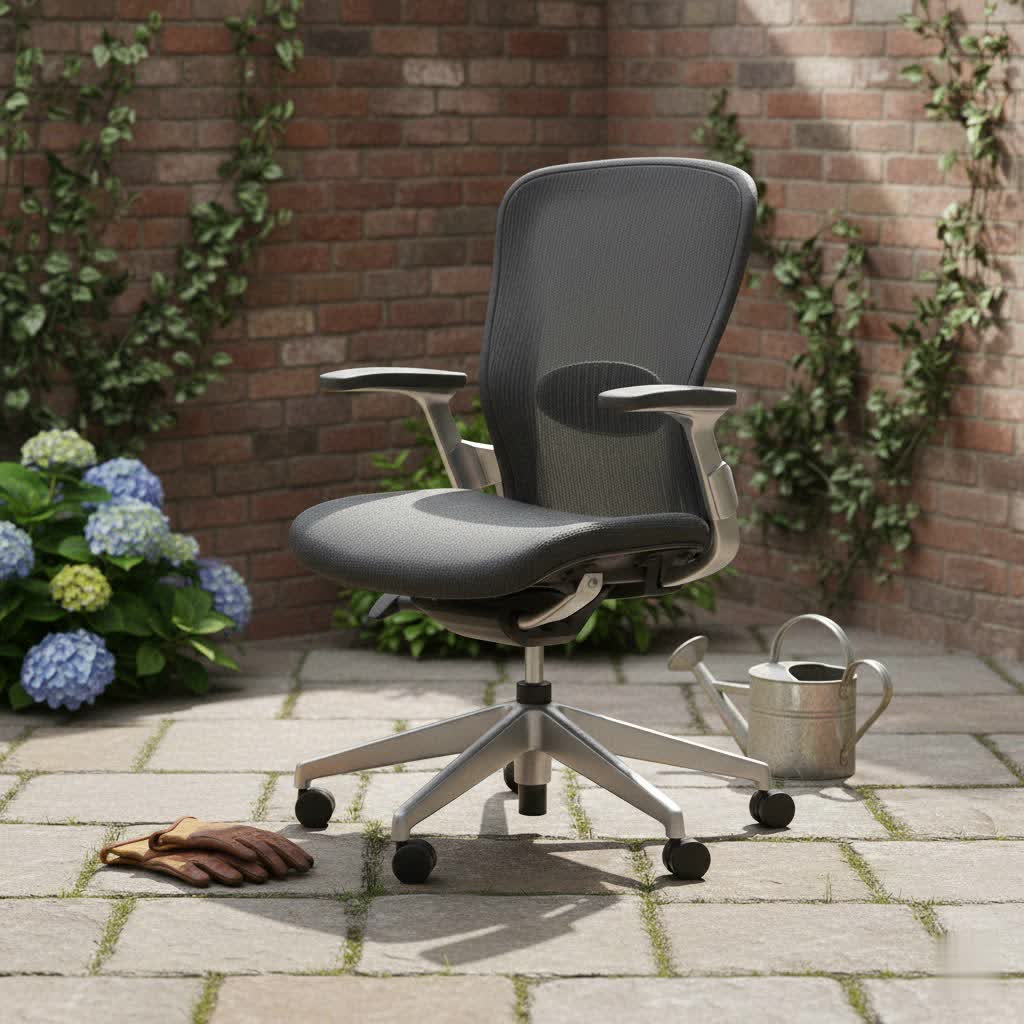
This comprehensive guide will demystify the cost of office chairs. We’ll break down the different price tiers, explain the key factors that influence these costs, and provide a smart buyer’s guide to help you make an informed decision. By understanding what you’re truly paying for, you can select an office chair that supports your body, enhances your work, and aligns perfectly with your budget.
Understanding Office Chair Pricing: An Overview
The price of an office chair isn’t just an arbitrary number; it’s a reflection of its design, materials, ergonomic capabilities, and the brand behind it. Think about it: a chair that you sit in for eight or more hours a day needs to be robust, supportive, and comfortable. Skimping on this vital piece of equipment can lead to discomfort, poor posture, and even long-term health issues, ultimately affecting your productivity and well-being.
The market offers a broad range of options, from basic task chairs suitable for occasional use to sophisticated ergonomic masterpieces designed for intensive daily work. These differences naturally lead to distinct price tiers, each offering a unique set of features and benefits. Let’s delve into these categories to get a clearer picture of what your money can buy.
Decoding Office Chair Price Tiers
Navigating the world of office chairs often starts with understanding the general price categories. These tiers typically dictate the level of ergonomics, material quality, and expected lifespan of the chair.
Budget-Friendly Office Chairs (Under $250)
For those with a tight budget or who need a chair for infrequent use, this category offers accessible options.
What to Expect: Chairs in this range typically provide basic functionality, such as height adjustment and perhaps a simple tilt mechanism. Materials often include standard mesh, basic fabrics, and plastic components. While some may offer rudimentary lumbar support, the adjustability is generally limited.
Pros:
- Highly affordable and readily available.
- Suitable for short periods of sitting or occasional use.
- Lightweight and easy to move.
Cons:
- Limited ergonomic features and adjustability.
- Materials may not be as durable or breathable, potentially leading to quicker wear and tear.
- May not provide adequate support for prolonged sitting, increasing the risk of discomfort or strain.
|
Our Picks for the Best Office Chair in 2026
As an Amazon Associate I earn from qualifying purchases.
|
||
| Num | Product | Action |
|---|---|---|
| 1 | Amazon Basics Ergonomic Executive Office Desk Chair with Lumbar Support, Flip-up Armrests, Adjustable Height, Cream Leather |

|
| 2 | Amazon Basics Classic Puresoft PU Padded Mid-Back Height Adjustable Office Computer Desk Chair with Armrest, 26"D x 23.75"W x 42"H, Black |
|
| 3 | Big and Tall Office Chair with Footrest, High Back Executive Leather Desk Chair with Lumbar Support, Reclining Office Chair with Adjustable Angle, Home Office Ergonomic Computer Gaming Chair |
|
| 4 | BestOffice - Ergonomic Office Chair - Mid-Back Swivel Desk Chair - Breathable Backrest & Lumbar Support - Adjustable Height - Sponge Seat - Rolling Wheels - Dark Black - for Adults & Women |
|
| 5 | Vanity Chair with Wheels,Cute Cat Paw Office Chair with Back,360°Rotating Height Adjustable Armless Chair in Vibrant Color-Blocking,Small Desk Chair,Plush Cushion for Bedroom,Make-Up Room Home Office |
|
| 6 | Marsail Ergonomic Office Chair: Office Desk Chair with High Back Mesh and Adjustable Lumbar Support Rolling Work Swivel Task Chairs with Wheel 3D Armrests and Headrest |
|
| 7 | COMHOMA Big and Tall Office Chair 400LBS Wide Ergonomic Gaming Chair with Deluxe Embossing Designed Leather with Foot Rest,150°Reclining Adjustable Armrests Pocket Spring Back Support and Pillow |
|
| 8 | TRALT Office Chair - Ergonomic Desk Chair with Adjustable Lumbar Support, Mesh Computer Chair, Executive Chairs for Home Office Comfortable Lumbar Support (Black) |
|
| 9 | Amazon Basics Executive Desk Chair with Easy Assembly, 275lb Capacity, Oversized Cushion, 29.13"D x 25.2"W x 43.11"H, Ivory Bonded Leather |
|
| 10 | Amazon Basics Ergonomic High-Back Office Chair with Flip-Up Arms, Adjustable Lumbar Support, Height Adjustable, 29.5"D x 27.5"W x 44.75"H, Black |
|
Examples: Many generic task chairs, basic mesh chairs, and certain models from brands like Amazon Basics often fall into this price segment. The Sihoo M18 is a popular option offering decent value for its price.
Mid-Range Office Chairs ($250 – $800)
This is often the sweet spot for many buyers, offering a significant upgrade in quality and ergonomics without reaching luxury prices.
What to Expect: Chairs in the mid-range typically boast improved ergonomic features, including adjustable lumbar support, multi-dimensional armrests (2D, 3D, or even 4D), and more sophisticated tilt and recline mechanisms. You’ll find better quality materials, such as more durable mesh, higher-grade fabrics, and often aluminum bases instead of plastic. These chairs are designed for daily use and offer a good balance of comfort, functionality, and durability.
Pros:
- Excellent balance of features, comfort, and price.
- Provides substantial ergonomic support for prolonged sitting.
- Better material quality and construction for increased durability.
- Often comes with reasonable warranties.
Cons:
- Still an investment, which might be a stretch for some budgets.
- While offering good adjustability, they may lack the extreme precision of high-end models.
Examples: Popular choices include the Branch Ergonomic Chair Pro, Hon Ignition 2.0, Flexispot C7, and the ErgoChair Plus from Autonomous. Many ergonomic chairs, on average, are found in this price bracket.
High-End & Luxury Office Chairs ($800+)
These chairs represent the pinnacle of office seating, designed for those who prioritize supreme comfort, advanced ergonomics, and long-term investment.
What to Expect: This category features chairs crafted from the finest materials, such as genuine leather, high-performance textiles, polished aluminum, and steel frames. They incorporate cutting-edge ergonomic engineering, offering extensive and precise adjustability for every part of your body. These chairs are built to last for decades, backed by industry-leading warranties, and often come from renowned brands known for their innovation and design excellence.
Pros:
- Superior ergonomic support and customization, promoting optimal posture and comfort.
- Exceptional durability and longevity, often with 10+ year warranties.
- Premium materials that enhance both aesthetics and comfort.
- Can significantly improve health and productivity, offering a strong return on investment over time.
Cons:
- The initial cost is a significant investment.
- May be overkill for those who don’t spend long hours at their desk.
Examples: Iconic chairs from brands like Herman Miller (e.g., Aeron, Embody), Steelcase (e.g., Gesture, Karman), and Humanscale (e.g., Freedom, Diffrient Smart) are found in this premium segment. Some models can exceed several thousand dollars.
Key Factors Driving Office Chair Costs
Beyond the general price tiers, several specific elements contribute to an office chair’s final price tag. Understanding these can help you evaluate whether a chair offers true value for its cost.
-
Ergonomic Adjustability and Features: This is perhaps the most significant factor. Basic chairs may only adjust height, but advanced ergonomic chairs offer a multitude of adjustments. These include dynamic lumbar support that adapts to your spine, multi-directional armrests (adjusting height, depth, width, pivot), seat depth and angle adjustments, tension control, and sophisticated recline mechanisms. Each additional point of adjustment and the engineering behind it adds to the manufacturing complexity and, consequently, the price.
-
Material Quality: The type and quality of materials used play a crucial role.
- Upholstery: Basic fabrics and plastic meshes are inexpensive. Higher-grade breathable meshes, durable textiles, high-density foam, faux leather, and especially genuine leather will drive up the cost.
- Frame and Base: Plastic bases are common in budget chairs. Mid-range chairs often feature nylon or polished aluminum bases, which are more durable and aesthetically pleasing. High-end chairs exclusively use robust aluminum or steel frames and bases.
- Casters: Standard plastic casters are cheap, while specialized casters for different flooring types (e.g., soft casters for hard floors) or heavy-duty wheels add to the cost.
-
Brand Reputation and Research & Development: Established brands have invested heavily in research and development to create innovative, ergonomically sound designs. This R&D, along with rigorous testing and a reputation for quality, allows them to command higher prices. You’re not just paying for the chair; you’re paying for years of expertise and a proven track record.
-
Durability and Warranty: Chairs built with high-quality components and meticulous craftsmanship are designed for longevity. A strong indicator of durability is BIFMA certification (Business and Institutional Furniture Manufacturers Association), which ensures commercial-grade standards for safety, durability, and sustainability. Chairs with longer warranties (e.g., 5, 10, or even 12 years) are typically more expensive because the manufacturer stands behind the product’s lifespan, reducing your long-term replacement costs.
-
Design and Aesthetics: While functionality is paramount, the visual appeal and unique design of a chair can also influence its price. Chairs with sleek, modern aesthetics, executive styling, or customizable color options often come with a premium.
-
Manufacturing and Supply Chain: Labor costs, the complexity of manufacturing processes, and the efficiency of the supply chain all contribute to the final price. Chairs produced in regions with higher labor costs or those requiring intricate assembly will naturally be more expensive.
Comparison Table: Office Chair Price vs. Features
To help visualize the differences across price points, here’s a comparative overview:
| Price Tier | Typical Price Range | Key Features | Material Quality | Durability & Warranty | Best For |
|---|---|---|---|---|---|
| Budget | Under $250 | Basic height adjust, simple tilt | Standard mesh, plastic, basic fabric | Shorter (1-3 years) | Short-term use, limited budget, basic tasks |
| Mid-Range | $250 – $800 | Good ergonomic adjustments (lumbar, armrests), tilt lock | Quality mesh, durable fabric, some faux leather, aluminum base | Moderate (5-10 years) | Daily use, home offices, good value for money |
| High-End | $800+ | Advanced ergonomics, full adjustability, customizable options | Premium mesh, genuine leather, high-grade aluminum, steel | Long (10+ years) | Extended daily use, professional offices, long-term investment |
The Smart Buyer’s Guide: Investing in Your Seating
Choosing an office chair is a personal decision that should balance your needs with your budget. Here’s how to approach it smartly:
- Assess Your Needs First: Before looking at prices, consider how much time you spend sitting daily. Do you work an 8-hour shift, or just an hour or two? Do you have any existing back pain or posture concerns? Longer hours and specific health needs warrant a greater investment in ergonomic features.
- Set a Realistic Budget (Consider Total Cost of Ownership): While a $100 chair might seem like a bargain upfront, if it causes discomfort, requires frequent replacement, or leads to health issues, its true cost can be much higher. A $500 ergonomic chair with a 10-year warranty could be significantly more cost-effective in the long run than several cheaper chairs. Think of it as an investment in your health and productivity.
- Prioritize Ergonomics Over Aesthetics (Initially): While a stylish chair is appealing, its primary function is support. Ensure the chair offers essential ergonomic adjustments like adjustable height, lumbar support, armrests, and tilt functionality.
- Check Material Quality: Consider breathability (mesh is often preferred for airflow), comfort, and how easy the material is to clean. Durable materials mean a longer-lasting chair.
- Read Reviews and Look for Certifications: User reviews provide real-world insights into comfort and durability. Look for chairs with BIFMA certification, which is a strong indicator of quality and safety standards for office furniture.
- Test Before You Invest: If possible, visit a showroom to sit in different chairs. What feels comfortable to one person might not for another. Spend at least 10-15 minutes in a chair to get a true feel for its support and adjustability.
Top Picks Across Price Segments
To give you a starting point, here are a few examples of highly-regarded office chairs in different price categories, showcasing the kind of value you can expect:
- Best Value (Under $200): The Sihoo M18 Ergonomic Chair often retails around $129-$300, providing excellent ergonomic features like adjustable lumbar support and a breathable mesh back at an impressive price point.
- Best Mid-Range Ergonomic ($300-$500): The Branch Ergonomic Chair Pro is a standout, typically priced between $359-$389. It offers extensive adjustability and a stylish design that punches well above its weight. The Flexispot C7 is another strong contender in this bracket, offering robust ergonomic support for around $300.
- Premium Investment ($1000+): For those seeking top-tier performance, the Steelcase Karman (around $1,100) and Humanscale Freedom Task (starting around $1,482) are examples of chairs that combine advanced ergonomics, premium materials, and exceptional durability, justifying their higher price tags as long-term investments.
Common Questions About Office Chair Prices
Is a more expensive office chair always better?
Not always, but generally, higher-priced chairs offer superior ergonomic features, better material quality, increased durability, and longer warranties. While a $2,000 chair will likely outperform a $200 one, a $500 chair might offer nearly as much benefit as a $1,000 one for many users. It’s about finding the best value for your specific needs, not just the highest price.
How much should I spend on an office chair?
The ideal amount depends on how often and how long you sit, as well as any specific ergonomic requirements you have. For occasional use, under $250 might suffice. For daily use, especially extended hours, aiming for a mid-range chair ($250-$800) is highly recommended for health and productivity. If you have specific medical needs or demand the absolute best, a high-end chair ($800+) is a worthy investment.
What is BIFMA certification?
BIFMA (Business and Institutional Furniture Manufacturers Association) certification indicates that an office chair has met rigorous standards for safety, durability, and sustainability. A BIFMA-certified chair means it has undergone extensive testing to ensure it can withstand commercial use, offering peace of mind regarding its quality and longevity.
How long do office chairs typically last?
The lifespan varies significantly by price and quality. Budget chairs might last 1-3 years before showing significant wear. Mid-range chairs typically last 5-10 years. High-end, premium chairs from reputable brands often come with warranties of 10-15 years or even more, reflecting their expected lifespan and robust construction.
Conclusion
Choosing the right office chair is a pivotal decision that directly impacts your daily comfort and long-term health. While the price of an office chair can range dramatically, understanding the factors that drive these costs—from advanced ergonomics and premium materials to brand reputation and durability—empowers you to make a smart investment. It’s not about finding the cheapest option or splurging on the most expensive, but rather about identifying the chair that offers the best balance of features, quality, and support for your unique needs and budget.
By prioritizing ergonomics and considering the total cost of ownership, you can select an office chair that not only fits your financial plan but also serves as a true ally in your pursuit of productivity and well-being. What is your top priority when considering the price of an office chair?
