Spending long hours at a desk can take a significant toll on your back, often leading to discomfort or chronic lower back pain. If you’ve ever found yourself constantly shifting, stretching, or feeling a persistent ache after a workday, it’s a clear sign that your current seating arrangement might be doing more harm than good. Investing in the Best Office Chair For Lower Back Pain isn’t just a luxury; it’s a vital step towards improving your posture, boosting your productivity, and safeguarding your long-term spinal health. This comprehensive guide will explore the essential features of ergonomic chairs, compare popular types, and help you choose the perfect office chair to alleviate your back pain and transform your work experience.
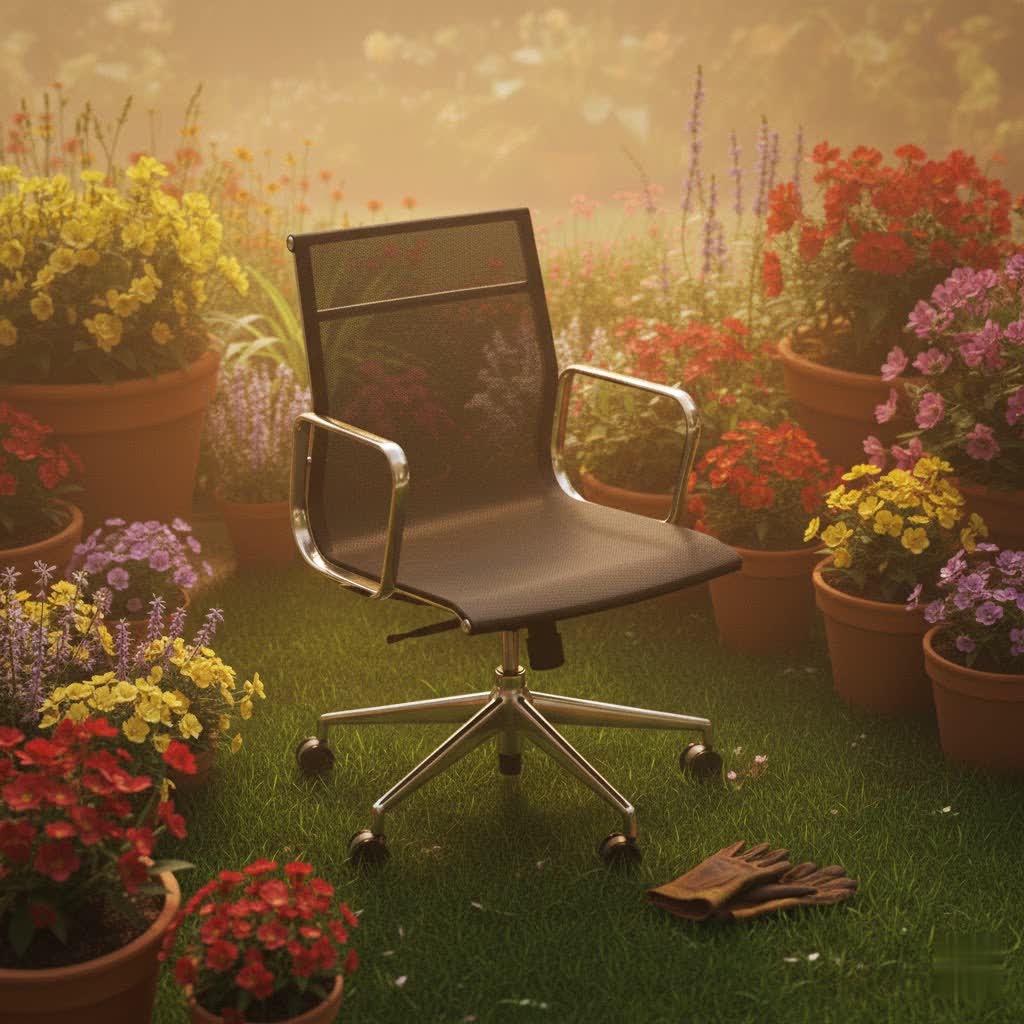
Office Chairs: Overview and Benefits
An office chair is more than just a place to sit; for many, it’s a critical tool that supports health and productivity throughout the workday. The importance of a well-designed office chair, especially for those experiencing lower back pain, cannot be overstated. A poor chair can exacerbate spinal issues, leading to discomfort, fatigue, and reduced focus.
Various types of office chairs flood the market, from basic task chairs to sophisticated ergonomic models. While all aim to provide a seating solution, their ability to support the human body, particularly the complex structures of the spine, varies widely. A high-quality office chair, specifically one designed for back pain relief, offers numerous benefits, including better posture, reduced pressure on spinal discs, improved blood circulation, and enhanced overall comfort. It allows your body to maintain its natural alignment, reducing the strain that often contributes to lower back pain.
Types of Office Chairs
Understanding the different categories of office chairs can help narrow down your options when seeking relief for lower back pain. Each type comes with its own set of advantages and disadvantages.
Swivel Office Chairs
- Pros: Often highly adjustable, allowing for fluid movement and easy access to different parts of your workspace without straining. Many ergonomic chairs fall into this category.
- Cons: Basic swivel chairs may lack adequate lumbar support or advanced adjustability.
- Key Features: Typically include seat height adjustment, often a rocking or tilt mechanism, and casters for mobility.
|
Our Picks for the Best Office Chair in 2026
As an Amazon Associate I earn from qualifying purchases.
|
||
| Num | Product | Action |
|---|---|---|
| 1 | TRALT Office Chair - Ergonomic Desk Chair with Adjustable Lumbar Support, Mesh Computer Chair, Executive Chairs for Home Office Comfortable Lumbar Support (Black) |

|
| 2 | COMHOMA Big and Tall Office Chair 400LBS Wide Ergonomic Gaming Chair with Deluxe Embossing Designed Leather with Foot Rest,150°Reclining Adjustable Armrests Pocket Spring Back Support and Pillow |
|
| 3 | BestOffice - Ergonomic Office Chair - Mid-Back Swivel Desk Chair - Breathable Backrest & Lumbar Support - Adjustable Height - Sponge Seat - Rolling Wheels - Dark Black - for Adults & Women |
|
| 4 | Amazon Basics Ergonomic High-Back Office Chair with Flip-Up Arms, Adjustable Lumbar Support, Height Adjustable, 29.5"D x 27.5"W x 44.75"H, Black |
|
| 5 | Amazon Basics Executive Desk Chair with Easy Assembly, 275lb Capacity, Oversized Cushion, 29.13"D x 25.2"W x 43.11"H, Ivory Bonded Leather |
|
| 6 | Amazon Basics Classic Puresoft PU Padded Mid-Back Height Adjustable Office Computer Desk Chair with Armrest, 26"D x 23.75"W x 42"H, Black |
|
| 7 | Big and Tall Office Chair with Footrest, High Back Executive Leather Desk Chair with Lumbar Support, Reclining Office Chair with Adjustable Angle, Home Office Ergonomic Computer Gaming Chair |
|
| 8 | Vanity Chair with Wheels,Cute Cat Paw Office Chair with Back,360°Rotating Height Adjustable Armless Chair in Vibrant Color-Blocking,Small Desk Chair,Plush Cushion for Bedroom,Make-Up Room Home Office |
|
| 9 | Amazon Basics Ergonomic Executive Office Desk Chair with Lumbar Support, Flip-up Armrests, Adjustable Height, Cream Leather |
|
| 10 | Marsail Ergonomic Office Chair: Office Desk Chair with High Back Mesh and Adjustable Lumbar Support Rolling Work Swivel Task Chairs with Wheel 3D Armrests and Headrest |
|
Mesh Office Chairs
- Pros: Excellent breathability, promoting airflow and preventing heat buildup, which is great for long sitting sessions. The mesh often conforms to your body, offering flexible support.
- Cons: Some mesh chairs might not provide as firm or customizable lumbar support as chairs with dedicated padding. The mesh material can sometimes sag over time on cheaper models.
- Who They Suit: Ideal for those who tend to overheat or prefer a lighter, more flexible feel.
Leather Office Chairs
- Pros: Offer a premium, executive aesthetic and are generally easy to clean. High-quality leather can be very durable and comfortable, molding slightly to the user over time.
- Cons: Can retain heat, leading to discomfort in warmer environments. They are typically more expensive and may require specific maintenance to keep the leather in good condition.
- Maintenance: Regular cleaning and conditioning are essential to prevent cracking and maintain the leather’s appearance and longevity.
Ergonomic Chairs
- Pros: Specifically designed to support the natural curves of the body, providing extensive adjustability for personalized comfort and optimal posture. They are considered the best office chair option for lower back pain.
- Cons: Can be significantly more expensive than conventional chairs due to their complex design and advanced features. The sheer number of adjustments can sometimes feel overwhelming initially.
- Why Choose: An ergonomic chair actively works to prevent slouching, align the spine, and reduce pressure points. Features like adjustable lumbar support, seat depth, and armrests ensure you can tailor the chair to your unique body shape, offering targeted relief for lower back pain.
Comparison Table of Office Chair Types
| Feature | Swivel Office Chair (Basic) | Mesh Office Chair | Leather Office Chair | Ergonomic Office Chair (Advanced) |
|---|---|---|---|---|
| Giá (Price) | Low – Medium | Medium | Medium – High | Medium – Very High |
| Chất liệu (Material) | Fabric, basic foam, plastic | Mesh, fabric, plastic/metal | Leather, faux leather, foam | Mesh, fabric, foam, advanced polymers |
| Độ bền (Durability) | Moderate | Moderate – Good | Good | Excellent |
| Tính năng (Features) | Height adj, swivel | Breathable, some adjustability | Aesthetics, basic adjustability | Extensive adjustability (lumbar, depth, height, recline, armrests) |
| Hỗ trợ lưng (Back Support) | Basic | Flexible, contouring | Moderate | Superior, customizable lumbar support |
| Thoáng khí (Breathability) | Moderate | High | Low | High (often mesh back) |
| Phù hợp cho (Best for) | General use, short periods | Warm climates, flexible support | Executive look, easy cleaning | Lower back pain relief, long hours, posture correction |
Important Features to Consider for Lower Back Pain
When searching for the best office chair to alleviate lower back pain, several key ergonomic features demand your attention. These elements work in concert to provide the support and flexibility needed for a healthy spine.
Adjustability: Height, Depth, and Recline
A truly effective office chair for lower back pain must offer extensive adjustability. The seat height should allow your feet to rest flat on the floor with your knees at a 90-degree angle, and your thighs parallel to the ground. Seat depth adjustability is crucial to ensure there’s a small gap (2-4 inches) between the back of your knees and the edge of the seat, preventing pressure on your circulation. A recline mechanism that allows for dynamic movement or locking at various angles (ideally 100-110 degrees) can significantly reduce spinal disc pressure and encourage better blood circulation by allowing you to shift positions throughout the day.
Lumbar and Spine Support
This is perhaps the most critical feature. The lumbar spine has a natural inward curve, and prolonged sitting without proper support can flatten this curve, leading to slouching and strain. The best office chair for lower back pain will feature adjustable lumbar support, both in height and depth, to perfectly match the natural curve of your lower back. This targeted support helps maintain spinal alignment and prevents muscle fatigue.
Material and Breathability
The materials used can impact both comfort and durability. Breathable fabrics, especially mesh backs, promote air circulation, preventing heat and sweat buildup during long work sessions. For seat cushioning, look for memory foam or high-density foam that distributes weight evenly and alleviates pressure points. A waterfall seat edge design is also beneficial as it improves circulation in the legs and reduces strain on the lower back.
Durability and Weight Capacity
An investment in an ergonomic chair should last. Look for chairs made with high-quality materials and sturdy construction that can withstand daily use. Check the manufacturer’s specified weight capacity to ensure the chair can safely and comfortably support your body, contributing to its long-term stability and effectiveness.
Office Chair Buying Guide: Finding Relief for Your Back
Choosing the best office chair for lower back pain involves a methodical approach to ensure it meets your specific needs. Don’t rush this important decision.
Determine Usage Needs: How Long Do You Sit?
Consider how many hours you spend sitting each day. If you sit for more than a few hours, a highly adjustable ergonomic chair is essential. For occasional use, a less feature-rich option might suffice, but for dedicated work, prioritize maximum support and comfort. Your chair should support you through all your tasks, from intense computer work to quick breaks.
Budget: Identify a Suitable Price Range
Office chairs range widely in price. While budget options exist, investing more in a high-quality ergonomic chair often pays dividends in terms of health and longevity. Establish a realistic budget, but be prepared to consider it an investment in your well-being, especially if you deal with persistent back pain.
Workspace: Choose the Right Size
Measure your workspace and consider the chair’s dimensions. Ensure the chair fits comfortably under your desk and allows for adequate movement. A chair that is too large can restrict movement, while one that is too small won’t provide sufficient support. The chair’s size should align with your body type to ensure proper ergonomic alignment.
Try Before You Buy: Experience in Person
Whenever possible, test chairs in person before making a purchase. Sit in the chair for at least 10-15 minutes, adjusting all the features. Pay attention to how the lumbar support feels, if your feet are flat on the floor, and if your arms rest comfortably at a 90-degree angle on the armrests. This hands-on experience is invaluable for assessing true comfort and fit.
Top Picks: Best Office Chairs for Lower Back Pain
Based on expert recommendations and user reviews, several office chairs consistently rank high for their ability to provide relief from lower back pain across different price points.
- Herman Miller Aeron: Often cited as one of the pioneers in ergonomic design, the Aeron offers exceptional support, particularly with its PostureFit SL system for the lower back. It’s a premium choice known for its durability and iconic design.
- Branch Ergonomic Chair Pro: This mid-range option is lauded for its comprehensive adjustability and deep comfort, making it a strong contender for many users seeking back pain relief without the top-tier price tag.
- X-Chair X4 Leather Executive Chair with Headrest: Specifically highlighted for lower back pain, this chair combines executive aesthetics with advanced ergonomic features, including dynamic lumbar support.
- Ergohuman GEN2: Praised for its impressive adjustable lumbar support that stays with you even when leaning forward, providing constant, targeted relief.
- Steelcase Gesture: A highly adjustable chair known for its ability to support various postures and interactions with technology, offering excellent full-spine support.
- Sihoo M18: A standout budget option that punches above its weight in comfort and ergonomics, offering surprising support for its price point.
Each of these chairs provides unique advantages, but they all share a commitment to adjustable support, crucial for individuals suffering from lower back pain.
Common Issues and Solutions for Back Pain
Even with the best ergonomic chair, understanding common issues and their solutions is crucial for sustained comfort and health.
Back Pain from Prolonged Sitting: Causes and Solutions
Cause: Prolonged static posture in any chair, even an ergonomic one, can lead to muscle strain, reduced circulation, and disc pressure. Poor posture habits also contribute significantly.
Solution: Dr. Ehsan Jazini, a spine surgeon, emphasizes, “Even with the best chair, sitting for prolonged periods of time can be harmful to the spine.”
- Movement is Key: Shift your sitting position every 20-30 minutes.
- Take Breaks: Stand up and walk for 2-3 minutes every hour.
- Stretch: Gentle stretches for hip flexors and hamstrings can alleviate tension that contributes to lower back pain.
- Proper Setup: Ensure your monitor is at eye level and your keyboard/mouse are positioned to keep your elbows at a 90-degree angle to prevent strain.
Squeaky Chair: How to Fix
A squeaky chair can be annoying and distracting.
Cause: Often due to loose bolts, worn out components, or a lack of lubrication in moving parts.
Solution:
- Tighten Bolts: Check all visible bolts, especially under the seat and around the base, and tighten them.
- Lubricate Moving Parts: Apply a silicone-based lubricant to springs, tilt mechanisms, and any friction points.
- Check Casters: Sometimes, worn-out casters can squeak; consider replacing them if they’re old.
Cleaning and Maintenance of Office Chairs
Regular cleaning and maintenance extend the life of your chair and maintain its hygienic condition.
Mesh Chairs: Vacuum regularly to remove dust. Spot clean with a mild soap and water solution.
Leather Chairs: Wipe with a damp cloth. Use a leather cleaner and conditioner periodically to prevent drying and cracking.
Fabric Chairs: Vacuum frequently. Spot clean with an upholstery cleaner, following product instructions carefully.
General: Check and tighten bolts every few months. Avoid harsh chemicals that can damage materials.
“A good chair is one that’s adjustable and supportive in all the right ways—especially the lower back, neck and arms. Even for people with chronic back pain, the right chair can reduce tension and improve posture.” – Dr. Ehsan Jazini, Spine Surgeon
Conclusion
Finding the best office chair for lower back pain is a pivotal step toward a more comfortable and productive work life. By understanding the critical role of adjustable lumbar support, proper seat dimensions, and dynamic movement, you can make an informed decision. While premium ergonomic chairs often offer the most comprehensive features, various options exist across different price points to suit diverse needs. Remember that even the finest chair requires mindful usage and regular movement to truly combat the effects of prolonged sitting. Invest in your spinal health today, and you’ll likely experience a significant reduction in discomfort and an improvement in your overall well-being. What steps will you take to prioritize your back health in your workspace?
Frequently Asked Questions
What makes an office chair ergonomic for lower back pain?
An ergonomic office chair for lower back pain is designed with multiple adjustable features, primarily focusing on customizable lumbar support that matches your spine’s natural curve. It also includes adjustable seat height and depth, armrests, and a recline mechanism to promote dynamic posture and reduce pressure on the lower back, preventing slouching and muscle strain.
How do I know if my office chair is causing my lower back pain?
If you consistently experience back pain, stiffness, or discomfort after prolonged periods of sitting, or if your pain worsens during or immediately after work, your office chair is likely a contributing factor. A lack of adjustable lumbar support, inability to keep your feet flat, or feeling restricted in movement are common indicators of a poorly suited chair.
Is a mesh or leather chair better for back pain?
For back pain, the material itself is less critical than the ergonomic design. However, mesh chairs often offer better breathability and can conform flexibly to your back. Leather chairs provide a firm feel and can be durable. The key is that the chair, regardless of material, offers robust, adjustable lumbar support and other ergonomic features.
How often should I get up from my office chair to prevent back pain?
To effectively prevent back pain, it’s recommended to shift your sitting position every 20-30 minutes and take a short break to stand or walk for 2-3 minutes every hour. Consistent movement and avoiding prolonged static posture are crucial, even when using the best ergonomic office chair.
Can a gaming chair help with lower back pain?
Some high-end gaming chairs offer ergonomic features like adjustable lumbar support and reclining functions, which can be beneficial for lower back pain. However, not all gaming chairs are created equal; it’s essential to look for specific ergonomic adjustability rather than relying solely on the “gaming chair” label. A dedicated ergonomic office chair often provides more refined support.
What is a waterfall seat edge, and why is it important for back pain?
A waterfall seat edge is a design where the front edge of the chair’s seat slopes gently downward. This design is important because it reduces pressure on the back of your thighs, promoting better blood circulation to your legs and feet. Improved circulation helps to alleviate strain on the lower back and prevents numbness or discomfort in the lower extremities.
