In today’s fast-paced world, where many hours are spent behind a desk, the significance of a high-quality office chair cannot be overstated. A good office chair is more than just a place to sit; it is a crucial tool that profoundly impacts your posture, comfort, and overall productivity. Have you ever considered how your current chair might be contributing to daily aches and pains or even hindering your focus? The challenge often lies in finding an ergonomic, supportive chair without breaking the bank. This article will guide you through the world of affordable office chairs, highlighting essential features, popular models, and a comprehensive buying guide to help you make the best choice for your health and wallet.
Office Chairs: An Overview of Essential Comfort
The journey of the office chair reflects the evolution of modern work itself. From simple, rigid stools to sophisticated ergonomic designs, the purpose remains the same: to provide a supportive foundation for daily tasks. However, its importance has grown exponentially as average sitting times have increased. A poorly designed chair can lead to various health issues, including back pain, neck strain, poor circulation, and even carpal tunnel syndrome, ultimately affecting your long-term well-being and efficiency. Conversely, a quality office chair actively supports your body’s natural curves, promotes healthy posture, and allows for adjustments that adapt to your unique needs, turning long workdays into more comfortable and productive experiences.
Demystifying Office Chair Categories
Understanding the different types of office chairs can help narrow down your search for the perfect affordable option. Each category caters to slightly different needs, balancing features with cost.
Task Chairs
|
Our Picks for the Best Office Chair in 2026
As an Amazon Associate I earn from qualifying purchases.
|
||
| Num | Product | Action |
|---|---|---|
| 1 | COMHOMA Big and Tall Office Chair 400LBS Wide Ergonomic Gaming Chair with Deluxe Embossing Designed Leather with Foot Rest,150°Reclining Adjustable Armrests Pocket Spring Back Support and Pillow |

|
| 2 | Amazon Basics Ergonomic High-Back Office Chair with Flip-Up Arms, Adjustable Lumbar Support, Height Adjustable, 29.5"D x 27.5"W x 44.75"H, Black |
|
| 3 | Vanity Chair with Wheels,Cute Cat Paw Office Chair with Back,360°Rotating Height Adjustable Armless Chair in Vibrant Color-Blocking,Small Desk Chair,Plush Cushion for Bedroom,Make-Up Room Home Office |
|
| 4 | Amazon Basics Executive Desk Chair with Easy Assembly, 275lb Capacity, Oversized Cushion, 29.13"D x 25.2"W x 43.11"H, Ivory Bonded Leather |
|
| 5 | Big and Tall Office Chair with Footrest, High Back Executive Leather Desk Chair with Lumbar Support, Reclining Office Chair with Adjustable Angle, Home Office Ergonomic Computer Gaming Chair |
|
| 6 | TRALT Office Chair - Ergonomic Desk Chair with Adjustable Lumbar Support, Mesh Computer Chair, Executive Chairs for Home Office Comfortable Lumbar Support (Black) |
|
| 7 | Amazon Basics Ergonomic Executive Office Desk Chair with Lumbar Support, Flip-up Armrests, Adjustable Height, Cream Leather |
|
| 8 | Marsail Ergonomic Office Chair: Office Desk Chair with High Back Mesh and Adjustable Lumbar Support Rolling Work Swivel Task Chairs with Wheel 3D Armrests and Headrest |
|
| 9 | BestOffice - Ergonomic Office Chair - Mid-Back Swivel Desk Chair - Breathable Backrest & Lumbar Support - Adjustable Height - Sponge Seat - Rolling Wheels - Dark Black - for Adults & Women |
|
| 10 | Amazon Basics Classic Puresoft PU Padded Mid-Back Height Adjustable Office Computer Desk Chair with Armrest, 26"D x 23.75"W x 42"H, Black |
|
Task chairs are designed primarily for functionality and active work at a desk. They often feature essential adjustments like seat height and backrest tilt, making them a practical and budget-friendly choice for many users. While generally less complex than full ergonomic models, a good task chair can still offer significant comfort and support.
Ergonomic Chairs
Ergonomic chairs are engineered with the science of work in mind, aiming to provide comprehensive support for your body’s natural posture. They typically boast a wide range of adjustability, including lumbar support, seat depth, armrest positioning, and multiple tilt mechanisms. Even in the affordable range, many chairs incorporate key ergonomic principles to enhance comfort and reduce strain during extended use.
Mesh Chairs
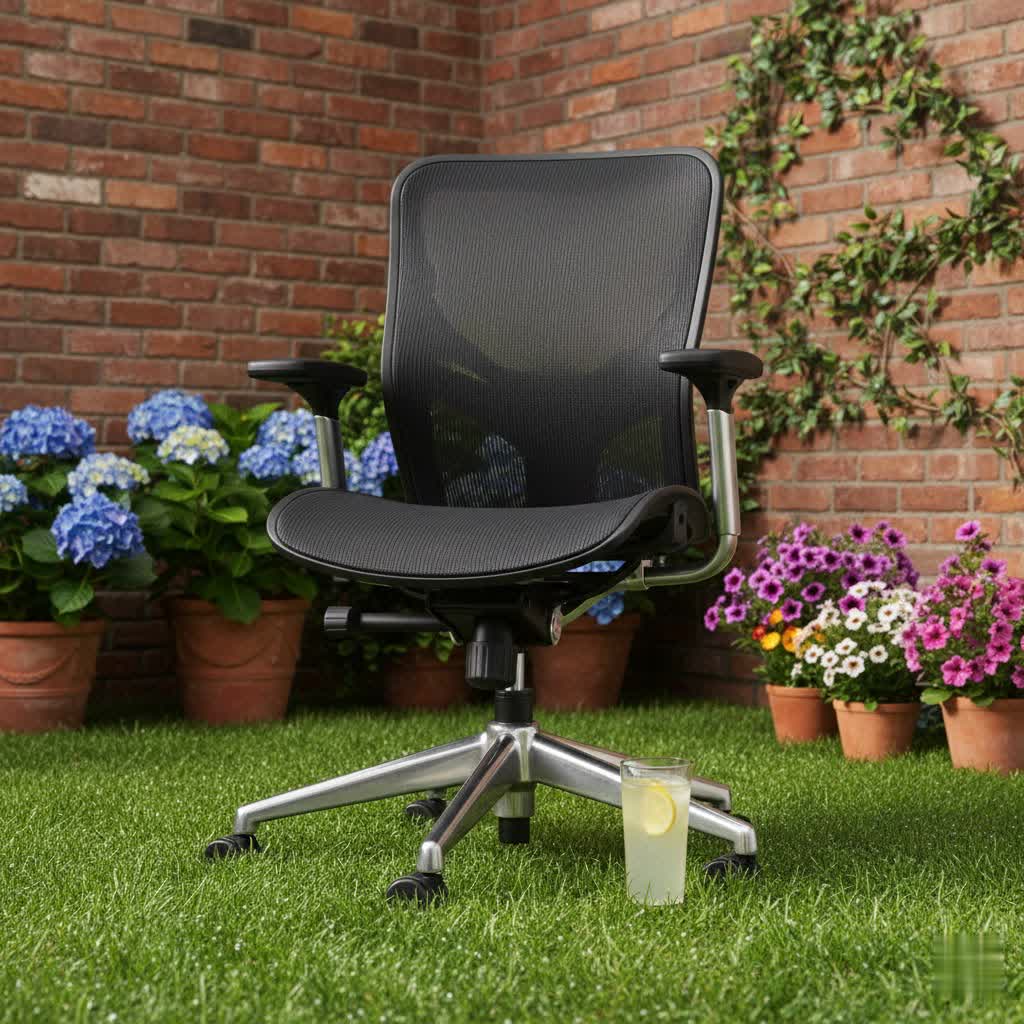
Characterized by their breathable mesh backs, these chairs are excellent for promoting airflow, keeping you cool during long work sessions. Mesh chairs often combine modern aesthetics with functional support, making them a popular choice for contemporary home and professional offices.
Executive Chairs
Executive chairs often prioritize plush padding, premium materials like leather, and an impressive aesthetic over extensive ergonomic adjustability for active work. While comfortable for meetings and occasional use, they might offer less fine-tuning for active typing or highly dynamic sitting postures. Budget-friendly executive chairs aim to capture this luxurious look at a lower price point, though sometimes with trade-offs in detailed ergonomic features.
Key Features to Prioritize in an Affordable Office Chair
When seeking an affordable office chair, focusing on specific features can ensure you get the most value for your money without sacrificing essential comfort and support.
Adjustability
Adjustability is paramount. Look for chairs that allow you to customize:
- Seat Height: To ensure your feet rest flat on the floor with knees at a 90-degree angle, or with a footrest if needed.
- Seat Depth: To support your thighs without pressing behind your knees, maintaining good circulation.
- Armrests: Ideally, adjustable in height, and potentially in/out or pivot, to keep your shoulders relaxed while typing.
- Backrest Tilt/Recline: To find the optimal angle for your spine, with tension control for resistance.
- Lumbar Support: This crucial feature can be fixed or adjustable, targeting your lower back’s natural curve to prevent slouching and pain.
Lumbar Support
Often hailed as the most critical ergonomic feature, lumbar support cradles the natural inward curve of your lower back. Adjustable lumbar support allows you to position this cushion precisely where you need it most, adapting to different body types and sitting preferences. Even fixed lumbar support, if well-designed, can make a significant difference in preventing discomfort.
Materials & Breathability
The choice of material impacts both comfort and aesthetics.
- Mesh: Typically used for backrests, mesh provides excellent airflow, preventing heat buildup and keeping you cool.
- Upholstered Fabric/Foam: Offers a softer, more traditional feel and can be very comfortable. High-density cold-cure foam maintains its shape better over time. Consider material durability and ease of cleaning.
Build Quality & Weight Capacity
A chair’s longevity depends on its construction. Look for sturdy bases (metal is generally more durable than nylon) and a decent warranty. The weight capacity indicates the chair’s robustness; ensure it comfortably supports your weight for safety and extended use.
Headrests
While not strictly essential for everyone, a headrest can be beneficial for those who lean back during breaks or participate in many video calls, providing crucial neck and head support.
Top Picks: Affordable Office Chairs That Don’t Compromise
Finding a truly comfortable and supportive office chair on a budget is achievable. Here are some top-rated affordable options that offer excellent value:
-
Flash Furniture Mid-Back Task Chair (~$89): Often highlighted as one of the most affordable picks, this chair offers long-term comfort and durability with practical features like flip-up armrests and basic height and lumbar adjustments. It’s a solid choice for dependable support without a hefty price tag.
-
Amazon Basics Leather-Padded Swivel Chair (~$80): A highly budget-friendly option, this chair provides soft, cloud-like cushioning and a pleasant aesthetic for its price. It’s ideal for occasional use, such as homework or short tasks, though it lacks robust lumbar support and extensive adjustability for prolonged sitting.
-
Hbada Office Task Chair (~$100-$150): This compact chair offers built-in lumbar support, a breathable mesh back, and convenient flip-up armrests, making it suitable for tight spaces and varied tasks. It provides a good starting point for limited budgets.
-
Branch Ergonomic Chair (~$359-$389): Considered one of the best overall values in ergonomic chairs, it features firm lumbar support, extensive adjustment points, and a breathable mesh back. Its high-quality materials and design offer premium comfort at a mid-range budget price. An optional headrest is available for an extra cost.
-
Uplift Pursuit Ergonomic Chair (~$499): This chair stands out for its unique design and numerous adjustment points, including an adjustable lumbar support depth and a waterfall seat edge to reduce thigh pressure. It even includes a small under-seat storage compartment, making it a feature-rich option on the higher end of the “affordable” spectrum.
-
Vari Task Chair (~$400): An excellent option for home offices, the Vari Task Chair features an airy mesh back, active lumbar support that pivots with movement, and a contoured frame that follows the spine’s natural curve. It also boasts a higher weight limit, accommodating a wider range of users.
-
Hon Ignition 2.0 Ergonomic Office Chair (~$400-$470): Known for promoting good posture, the Ignition 2.0 has a breathable mesh back, adjustable armrests, and a wide, cushioned seat. Its robust adjustability positions it well for daily use, offering a balance between basic and premium features.
-
Sihoo Doro C300 (~$280): This model offers a highly comfortable, breathable mesh back with automatically adjusting lumbar support and well-padded, adjustable armrests. Its solid metal wheelbase adds to its stability. However, users with very long legs might find the seat depth a bit short.
Here’s a quick comparison of some popular affordable office chairs:
| Chair Model | Price (Approx.) | Lumbar Support | Key Adjustability | Material | Highlight Feature | Pros | Cons |
|---|---|---|---|---|---|---|---|
| Flash Furniture Mid-Back | $89 | Yes (Basic) | Height, Tilt, Flip-up arms | Mesh/Fabric, Plastic | Very affordable | Durable, simple design, flip-up arms | Limited adjustability |
| Amazon Basics Swivel Chair | $80 | No | Height | Leatherette | Ultra-budget friendly | Soft cushioning, good for occasional use | Lacks lumbar support, limited adjustments |
| Hbada Office Task Chair | $100-$150 | Yes (Built-in) | Height, Tilt, Flip-up arms | Mesh, Foam, Nylon | Compact, stowable armrests | Space-saving, breathable mesh | Few adjustment points, not ideal for larger users |
| Branch Ergonomic Chair | $359-$389 | Yes (Firm) | Height, Depth, 3D Arms, Tilt | Mesh, Foam, Aluminum | Extensive adjustments | Excellent ergonomics, durable, stylish | Headrest is an extra cost |
| Uplift Pursuit Ergonomic Chair | $499 | Yes (Adjustable) | Height, Depth, Arms, Tilt | Mesh, Foam | Waterfall seat, under-seat storage | Reduces thigh pressure, many ergonomic points | Not suited for very tall/large users |
| Vari Task Chair | $400 | Yes (Active) | Height, Tilt, Arms | Mesh, Foam | Active pivoting lumbar | Moves with you, high weight limit | Mesh back can feel thin |
| Hon Ignition 2.0 | $400-$470 | Yes | Height, Seat depth, Arms, Tilt | Mesh, Fabric | Promotes good posture | Breathable, wide seat, robust construction | Assembly can be tricky, lumbar might be low for very tall users |
| Sihoo Doro C300 | $280 | Yes (Auto-adjust) | Height, Arms, Tilt | Mesh, Metal | Automatically adjusting lumbar | Comfortable mesh, solid build, good value | Seat depth might be short for long legs |
Your Buying Guide: Finding the Right Affordable Office Chair
Choosing the right office chair is a personal decision, and even with a budget in mind, it’s possible to find a chair that perfectly suits your needs.
Assess Your Needs
Begin by honestly evaluating how you work. How many hours do you spend sitting each day? Do you have any existing back, neck, or wrist pain? Your body type—height, weight, and general build—also plays a crucial role. Some chairs are better suited for petite users, while others are designed for larger frames. Identifying these specific requirements will help you prioritize features.
Set a Realistic Budget
“Affordable” is subjective. While chairs under $100 exist, investing slightly more (e.g., $200-$500) often unlocks significantly better ergonomics, durability, and comfort. Decide on a comfortable price range, understanding that sometimes a slightly higher investment upfront can prevent future discomfort and costly replacements.
Consider Your Workspace
Measure your desk height and the space available in your office. A chair that fits well physically will also integrate better into your work environment. Think about the aesthetic too; while function is key, a chair that complements your decor can enhance your overall workspace.
Try Before You Buy (If Possible)
Nothing beats sitting in a chair to assess its comfort and fit. If possible, visit furniture stores to test different models. Pay attention to how the lumbar support aligns with your back, if your feet rest flat, and if the armrests are at a comfortable height. Even a few minutes of testing can reveal crucial details about a chair’s suitability.
Common Office Chair Issues and Solutions
Even with a well-chosen chair, issues can arise. Knowing how to address them can prolong your chair’s life and enhance your comfort.
Back Pain When Sitting Too Long
If you experience back pain, first ensure your chair’s adjustments are optimized for your body. Your back should be firmly against the backrest, and your feet flat on the floor or a footrest. For chairs lacking robust lumbar support, a rolled-up towel secured with tape or rubber bands and placed at the curve of your lower back can provide immediate relief. Proper posture is key; ensure your chair is doing the work, not your back.
Squeaky Chairs
A squeaky chair can be incredibly annoying. Often, the culprit is loose screws or components that need lubrication. Check and tighten all screws on the chair frame, particularly around the seat and backrest. Applying a silicone-based lubricant to moving parts, joints, and casters can also silence creaks. If a spring is the issue, some retailers offer replacement parts.
Cleaning and Maintenance
Regular cleaning extends the life and appearance of your chair. The cleaning method depends on the material:
- Mesh Backs: Can typically be wiped down with a damp cloth and mild soap.
- Fabric/Upholstered Seats: Spot clean with a gentle fabric cleaner or mild detergent, testing on an inconspicuous area first.
- Leatherette/Leather: Wipe with a damp cloth and a specialized leather cleaner or conditioner.
Always refer to the manufacturer’s cleaning instructions in the user manual for best results.
Conclusion
Investing in the Best Affordable Office Chair is a commitment to your long-term health and productivity. While the market offers a vast array of options, focusing on essential ergonomic features like adjustable lumbar support, seat height, and armrests will guide you to a wise purchase. Whether you opt for a highly adjustable ergonomic model like the Branch Ergonomic Chair or a dependable budget-friendly task chair, prioritizing comfort and support ensures you get the most value. Remember, a good chair isn’t just a piece of furniture; it’s a partner in your daily work, helping you maintain a healthier posture and a more focused mindset. Which feature will you prioritize in your next office chair upgrade?
Frequently Asked Questions
How much should I spend on an office chair?
The ideal amount varies, but many experts suggest aiming for $200-$500 for a good balance of ergonomics, durability, and comfort without excessive features. Chairs under $100 can work for occasional use, but may lack long-term support.
Can a cheap office chair be ergonomic?
Yes, many affordable chairs incorporate fundamental ergonomic principles such as adjustable seat height, basic lumbar support, and breathable materials. While they may not have all the advanced adjustments of high-end models, they can still offer significant ergonomic benefits.
What is adjustable lumbar support?
Adjustable lumbar support allows you to customize the position and depth of the lower back support, ensuring it aligns perfectly with the natural curve of your spine. This helps maintain healthy posture and reduces pressure on your lower back.
How long should an office chair last?
The lifespan of an office chair varies with quality and usage. A well-made affordable chair, with proper care, can last 3-7 years, while higher-end ergonomic chairs can last 10-15 years or even longer. Warranties often indicate expected durability.
What’s the difference between a task chair and an executive chair?
A task chair is designed for active work, focusing on ergonomics and adjustability for long hours at a desk. An executive chair typically prioritizes aesthetics, premium materials, and plush padding, often with less granular adjustability, making it more suited for meetings and a luxurious feel.
