Are you experiencing persistent back pain, neck stiffness, or general discomfort after a long day at your desk? You’re not alone. In today’s fast-paced world, where many spend countless hours seated, the humble office chair has become a critical tool for both productivity and health. But not all chairs are created equal. An ergonomic office chair isn’t just a piece of furniture; it’s a vital investment in your physical well-being and overall work efficiency. This comprehensive guide will delve into everything you need to know about ergo office chairs, helping you understand their importance, key features, and how to select the perfect one to transform your daily work experience.
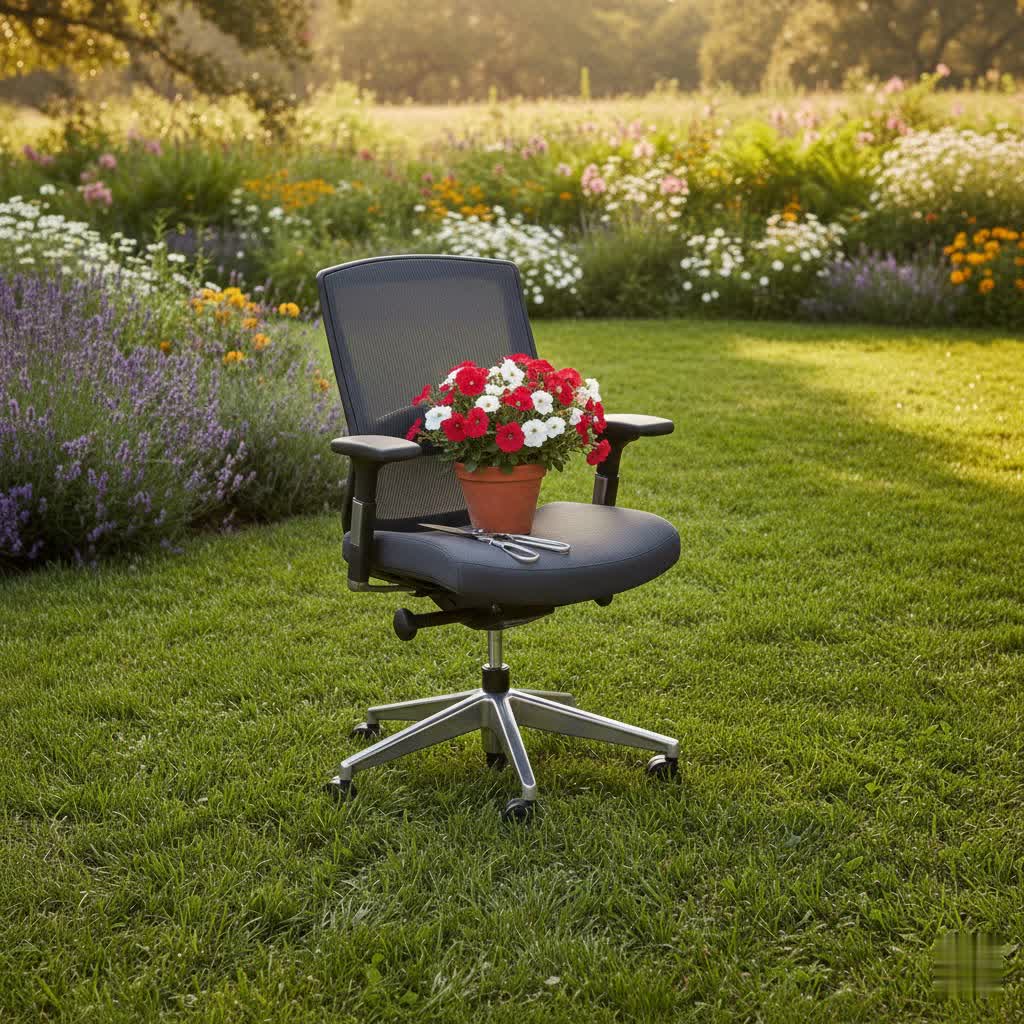
Ergonomic Office Chairs: An Overview and Their Importance
An ergonomic office chair is specifically designed to provide optimal support to the human body, promoting a healthy posture and reducing the strain associated with prolonged sitting. Unlike traditional office chairs that often force the body into unnatural positions, ergonomic chairs are engineered to adapt to your unique body shape and movements. The science of ergonomics focuses on designing tools and environments to fit our bodies, rather than forcing us to conform to them. When applied to seating, this means supporting the spine’s natural alignment and encouraging dynamic sitting throughout the day.
The importance of an ergonomic chair cannot be overstated. Poor seating choices contribute significantly to chronic issues such as lower back pain, neck strain, and shoulder tension, which can lead to musculoskeletal disorders (MSDs) over time. By providing crucial support and adjustability, an ergo office chair helps mitigate these risks, fostering a healthier, more comfortable, and ultimately more productive work environment. It’s about creating a workspace that actively nurtures your body and mind, preventing discomfort and enhancing your ability to focus on tasks.
The Profound Benefits of an Ergonomic Office Chair
Investing in an ergonomic office chair offers a multitude of benefits that extend far beyond simple comfort, positively impacting your health, productivity, and overall quality of life.
Posture Correction and Spinal Health
|
Our Picks for the Best Office Chair in 2026
As an Amazon Associate I earn from qualifying purchases.
|
||
| Num | Product | Action |
|---|---|---|
| 1 | TRALT Office Chair - Ergonomic Desk Chair with Adjustable Lumbar Support, Mesh Computer Chair, Executive Chairs for Home Office Comfortable Lumbar Support (Black) |

|
| 2 | Amazon Basics Ergonomic High-Back Office Chair with Flip-Up Arms, Adjustable Lumbar Support, Height Adjustable, 29.5"D x 27.5"W x 44.75"H, Black |
|
| 3 | Amazon Basics Executive Desk Chair with Easy Assembly, 275lb Capacity, Oversized Cushion, 29.13"D x 25.2"W x 43.11"H, Ivory Bonded Leather |
|
| 4 | Amazon Basics Ergonomic Executive Office Desk Chair with Lumbar Support, Flip-up Armrests, Adjustable Height, Cream Leather |
|
| 5 | BestOffice - Ergonomic Office Chair - Mid-Back Swivel Desk Chair - Breathable Backrest & Lumbar Support - Adjustable Height - Sponge Seat - Rolling Wheels - Dark Black - for Adults & Women |
|
| 6 | Big and Tall Office Chair with Footrest, High Back Executive Leather Desk Chair with Lumbar Support, Reclining Office Chair with Adjustable Angle, Home Office Ergonomic Computer Gaming Chair |
|
| 7 | Amazon Basics Classic Puresoft PU Padded Mid-Back Height Adjustable Office Computer Desk Chair with Armrest, 26"D x 23.75"W x 42"H, Black |
|
| 8 | Marsail Ergonomic Office Chair: Office Desk Chair with High Back Mesh and Adjustable Lumbar Support Rolling Work Swivel Task Chairs with Wheel 3D Armrests and Headrest |
|
| 9 | COMHOMA Big and Tall Office Chair 400LBS Wide Ergonomic Gaming Chair with Deluxe Embossing Designed Leather with Foot Rest,150°Reclining Adjustable Armrests Pocket Spring Back Support and Pillow |
|
| 10 | Vanity Chair with Wheels,Cute Cat Paw Office Chair with Back,360°Rotating Height Adjustable Armless Chair in Vibrant Color-Blocking,Small Desk Chair,Plush Cushion for Bedroom,Make-Up Room Home Office |
|
One of the primary advantages of an ergonomic chair is its ability to support and maintain proper posture. These chairs feature contoured backrests that align with the natural “S” curve of your spine, especially the lumbar region, preventing slouching and reducing spinal compression. This consistent support helps strengthen your back muscles over time and prevents issues like forward head posture and rounded shoulders.
Reduced Back, Neck, and Hip Pain
Ergonomic chairs are instrumental in alleviating and preventing common aches and pains. The specialized design reduces pressure on the lower back, neck, and hips by distributing body weight evenly and ensuring that your spine is correctly aligned. Features like adjustable lumbar support and waterfall seat edges prevent discomfort and minimize the risk of developing chronic pain conditions often associated with prolonged sitting.
Improved Blood Circulation
Proper circulation is vital for overall health, and ergonomic chairs are designed with this in mind. Features such as adjustable seat height, which allows your feet to rest flat on the floor, and a waterfall seat edge, which prevents pressure behind the knees, promote healthy blood flow to your legs. Improved circulation means more oxygen to your brain, better cognitive function, and reduced fatigue, helping you stay alert and focused throughout the day.
Prevention of Musculoskeletal Disorders (MSDs)
By supporting the body’s natural posture and reducing stress on joints and muscles, an ergonomic chair plays a crucial role in preventing MSDs such as carpal tunnel syndrome, tendonitis, and persistent neck or back pain. This proactive approach to health can significantly reduce discomfort and minimize the need for medical interventions in the long term.
Enhanced Comfort and Productivity
When you are comfortable, you are more focused. Ergonomic chairs provide a user-friendly experience with multiple adjustable features that can be customized to fit your unique body shape and needs. This personalized comfort minimizes distractions caused by discomfort or pain, allowing you to concentrate better, work longer, and ultimately boost your productivity and work quality.
Understanding Types of Ergonomic Office Chairs
While “ergonomic chair” often refers to a highly adjustable task chair, the principles of ergonomics are applied across various office chair designs.
- Fully Adjustable Task Chairs: These are the most common type of ergonomic chair, offering extensive adjustability for seat height, depth, backrest angle, lumbar support, and armrests. They are versatile and suitable for most office workers who spend significant time at their desks.
- Mesh Office Chairs: Often ergonomic in design, mesh chairs are highly valued for their breathability, which helps keep users cool, especially in warmer climates. The mesh material can conform to the body’s shape, offering flexible support while maintaining many adjustable ergonomic features.
- Leather Office Chairs: These chairs emphasize executive style and often feature ample padding. While not all leather chairs are fully ergonomic, high-quality models incorporate adjustable lumbar support, seat depth, and tilt mechanisms, providing comfort and durability with a touch of sophistication.
- Kneeling Chairs: An alternative ergonomic solution, kneeling chairs distribute a portion of the user’s weight to the shins, reducing pressure on the lower back and engaging core muscles. They are often used intermittently to vary sitting posture and strengthen the core.
- Ergonomic Stools: Designed to promote dynamic sitting and core engagement, ergonomic stools encourage subtle movement and can help improve posture, strength, and balance. They are often adjustable in height and suitable for varying between sitting and standing.
Comparison Table: Ergonomic vs. Standard Office Chairs
| Feature | Ergonomic Office Chair | Standard Office Chair |
|---|---|---|
| Adjustability | Highly adjustable (height, depth, tilt, lumbar, armrests) | Limited or no adjustments (usually just height) |
| Lumbar Support | Dedicated and often adjustable to spine’s natural curve | Minimal or fixed, may not support individual spinal needs |
| Material/Padding | High-density foam, breathable mesh, waterfall edge seat | Basic foam, less attention to breathability or pressure points |
| Health Benefits | Prevents pain, improves posture, circulation, reduces MSDs | Can contribute to pain, poor posture, and health issues |
| Price Range | Generally higher investment (due to design & features) | Lower initial cost |
| Target User | Individuals spending long hours seated, health-conscious | Casual use, short periods of sitting, budget-focused |
Essential Features to Consider in an Ergonomic Chair
When choosing an ergo office chair, certain features are non-negotiable for ensuring optimal comfort, support, and long-term health benefits.
Adjustable Seat Height and Depth
The seat height should be easily adjustable, preferably with a pneumatic lever, to allow your feet to rest flat on the floor (or a footrest) with your knees forming a 90-degree angle, or slightly lower than your hips. Seat depth is equally important; there should be a 2-4 finger gap between the front edge of the seat and the back of your knees, preventing pressure on your thighs and ensuring adequate support for most of your upper leg.
Dynamic Backrest and Tilt Mechanism
A quality ergonomic chair will have a backrest that contours to the natural curve of your spine and is tall enough to support your entire back. Look for:
- Recline Function: Allows you to lean back, reducing spinal compression.
- Synchro-Tilt Mechanism: The seat and backrest recline simultaneously at a synchronized ratio, maintaining an open hip angle.
- Adjustable Tension Control: Lets you fine-tune the resistance of the recline, personalizing the experience.
- Multi-Locking Tilt System: Enables you to lock the chair at various recline angles.
Customizable Lumbar Support
This is paramount for lower back health. The best ergonomic chairs offer adjustable lumbar support, often in 3D or 4D, allowing you to modify its height, depth (in/out), and tension to precisely match the natural curve of your lower spine. This prevents discomfort and promotes healthy spinal alignment.
Adjustable Armrests
Armrests should be height adjustable, allowing your arms to rest comfortably at your sides with your elbows at approximately a 90-degree angle. Ideally, they should also be adjustable in width and depth, and capable of pivoting or swinging out of the way when not needed, reducing strain on your shoulders and neck.
Headrest (Optional but Beneficial)
While not essential for everyone, a headrest can provide valuable support for your head and neck, especially for individuals who spend considerable time on phone calls or occasionally lean back to relax and stretch. It helps maintain proper cervical spine alignment.
Stable Base and Appropriate Casters
A five-star base is standard for stability, preventing tipping. The chair should also have smooth-rolling casters (wheels) that match your flooring type (e.g., hard casters for carpets, soft casters for hard floors) to allow for easy movement within your workspace without straining.
Quality Materials (Padding, Breathability)
The seat should have sufficient, high-density padding that offers comfort without being too soft or too firm. Breathable materials like mesh for the backrest are excellent for airflow and comfort during long periods of sitting. Durable, high-quality materials throughout the chair contribute to its longevity.
Your Comprehensive Buying Guide for Ergonomic Office Chairs
Choosing the right ergonomic chair is a personal journey. By following these steps, you can make an informed decision that truly benefits your health and productivity.
Assess Your Needs
Consider how long you sit each day. Do you work 8+ hours at a desk, or just a few? Your sitting duration, body type (height, weight), and any existing physical conditions (e.g., chronic back pain) will dictate the level of adjustability and support you require. Taller or shorter individuals, or those with specific pains, will need chairs with broader adjustment ranges.
Set Your Budget
Ergonomic chairs represent an investment in your health. While there are budget-friendly options, high-end models offer superior adjustability, materials, and durability. Determine a realistic price range, understanding that spending a bit more upfront can save you from health-related costs and discomfort down the line. Look for sales during major holidays or consider certified refurbished models from reputable brands for value.
Consider Your Workspace
Measure your desk height and the available space in your office to ensure the chair fits comfortably. Also, consider your flooring type to select appropriate casters that won’t damage your floor or impede movement.
Test Before You Invest
Whenever possible, try out chairs in person. Sit in the chair for several minutes, adjust all its features, and mimic your typical working postures. Pay attention to how your body feels—does it offer proper lumbar support? Do your feet rest flat? Are your arms comfortably supported? This hands-on experience is invaluable.
Check for Certifications and Warranty
Look for industry certifications like BIFMA (Business and Institutional Furniture Manufacturers Association), which ensures safety, durability, and sustainability standards. A Class-3 or Class-4 gas lift (often SGS or TUV certified) indicates a reliable height adjustment mechanism. A longer warranty signals the manufacturer’s confidence in the product’s durability and can provide peace of mind. Read verified buyer reviews, focusing on long-term feedback.
Maintaining Your Ergonomic Office Chair: Common Issues and Solutions
Even the best ergonomic chairs can develop minor issues over time. Promptly addressing these can extend your chair’s lifespan and maintain its performance.
Squeaky Chairs
A common annoyance, squeaks often stem from loose bolts, worn parts, or a lack of lubrication in the tilt mechanism.
- Solution: Tighten all visible bolts and screws. Apply a silicone spray or WD-40 to moving parts, joints, and the tilt mechanism. Inspect casters for wear and replace if necessary.
Stuck Adjustment Mechanisms (Gas Lift, Tilt Lock)
If your chair’s height or recline isn’t responding, it could be a simple fix or indicate a worn-out component.
- Solution: For a stuck lever, lubricate the cylinder and lever mechanism with WD-40. If the height continues to sink or won’t adjust, the gas lift cylinder likely needs replacement—a common and relatively affordable fix. For a stiff recline, adjust the tension knob underneath the seat or lubricate the tilt mechanism.
Uncomfortable Seat or Worn Padding
Over time, seat cushions can lose their density, leading to discomfort.
- Solution: Add a high-quality ergonomic seat cushion (memory foam or gel) for extra padding. If you’re handy, you can replace the internal foam padding. Ensure your seat depth is correctly adjusted to avoid pressure points.
Wobbly Chair or Armrests
A wobbly chair or loose armrests can be distracting and even unsafe.
- Solution: Thoroughly check and tighten all screws and bolts connecting the chair’s base, seat, and armrests. If a caster is broken, replace it. For uneven floors, use a leveling mat or adjust the chair’s height. If armrests are broken beyond repair, compatible replacements are often available.
Cleaning and General Maintenance Tips
Regular cleaning and occasional inspection can prevent many issues.
- Solution: Wipe down surfaces with a damp cloth. For fabric or mesh, spot clean with a mild detergent. Vacuum mesh backrests to remove dust. Periodically check all fasteners for looseness and tighten them. Lubricate moving parts annually.
> “An ergonomic office chair is not merely a place to sit; it is a partner in your daily work, meticulously designed to support your body, reduce strain, and amplify your focus. It’s an investment that pays dividends in comfort, health, and sustained productivity.” – Reviewzlab Admin, Office Furniture Expert
Conclusion
Choosing the right ergo office chair is a pivotal decision for anyone who spends significant time at a desk. By prioritizing ergonomic design, you’re not just buying a chair; you’re investing in your long-term health, comfort, and productivity. Understanding the core benefits—from posture correction and pain reduction to improved circulation and enhanced focus—empowers you to make an informed choice. Remember to look for essential features like adjustable height and depth, dynamic backrest and tilt, customizable lumbar support, and adjustable armrests. With careful consideration and proper maintenance, your ergonomic office chair will be a cornerstone of a healthy and efficient workspace for years to come.
What steps will you take today to upgrade your sitting experience and embrace the benefits of an ergonomic office chair?
Frequently Asked Questions
What does “ergonomic” truly mean for an office chair?
“Ergonomic” refers to the scientific study of designing equipment and environments to maximize human comfort, efficiency, and safety. For an office chair, this means it’s specifically engineered with features that support the body’s natural posture, reduce strain, and promote overall well-being during prolonged sitting. It’s about the chair adapting to you, not the other way around.
How do I know if my current office chair is ergonomic?
An ergonomic chair will offer multiple points of adjustability beyond just height. Look for adjustable seat depth, backrest tilt and tension, lumbar support (ideally adjustable), and armrest height. If your chair lacks these features or leaves you with discomfort after extended use, it’s likely not fully ergonomic.
Can an ergonomic chair really prevent back pain?
Yes, a well-chosen and properly adjusted ergonomic chair can significantly reduce and prevent back pain. It supports the natural curve of your spine, distributes pressure evenly, and encourages good posture, thereby alleviating the common causes of discomfort from prolonged sitting. However, regular breaks and movement are still crucial.
How much should I expect to pay for a good ergonomic office chair?
The price range for quality ergonomic office chairs varies widely, from a few hundred dollars to over a thousand. Factors influencing price include brand reputation, material quality, number of adjustable features, and durability. Consider it an investment in your health and productivity, often justifying a higher upfront cost.
Are mesh chairs always ergonomic?
Not necessarily. While many mesh chairs incorporate ergonomic design principles, the term “mesh” refers to the material of the backrest (and sometimes seat), prized for its breathability. A mesh chair is only truly ergonomic if it includes the essential adjustable features like lumbar support, seat depth, and comprehensive tilt mechanisms.
What is “dynamic sitting” and why is it important?
Dynamic sitting encourages subtle movement and posture changes while seated, rather than remaining in a rigid, static position. Ergonomic chairs facilitate this through features like flexible backrests, synchro-tilt mechanisms, and tension controls, which allow the body to shift and stretch naturally, improving circulation and reducing muscle fatigue.
How often should I take breaks from sitting in my ergonomic chair?
Even with the best ergonomic chair, it’s recommended to take short breaks every 30-60 minutes. Stand up, stretch, walk around, or briefly change your posture. Dynamic movement is crucial for maintaining overall health and preventing the negative effects of prolonged sedentary behavior.
