Spending countless hours at your desk can take a toll on your body, making the choice of an office chair more critical than ever. In the quest for optimal comfort and support, mesh office chairs have emerged as a leading solution, blending innovative design with ergonomic functionality. This guide will explore everything you need to know about mesh office chairs, helping you understand their unique advantages, key features, and how to select the perfect one to enhance your workspace and well-being.
Mesh Office Chairs: An Overview and Benefits
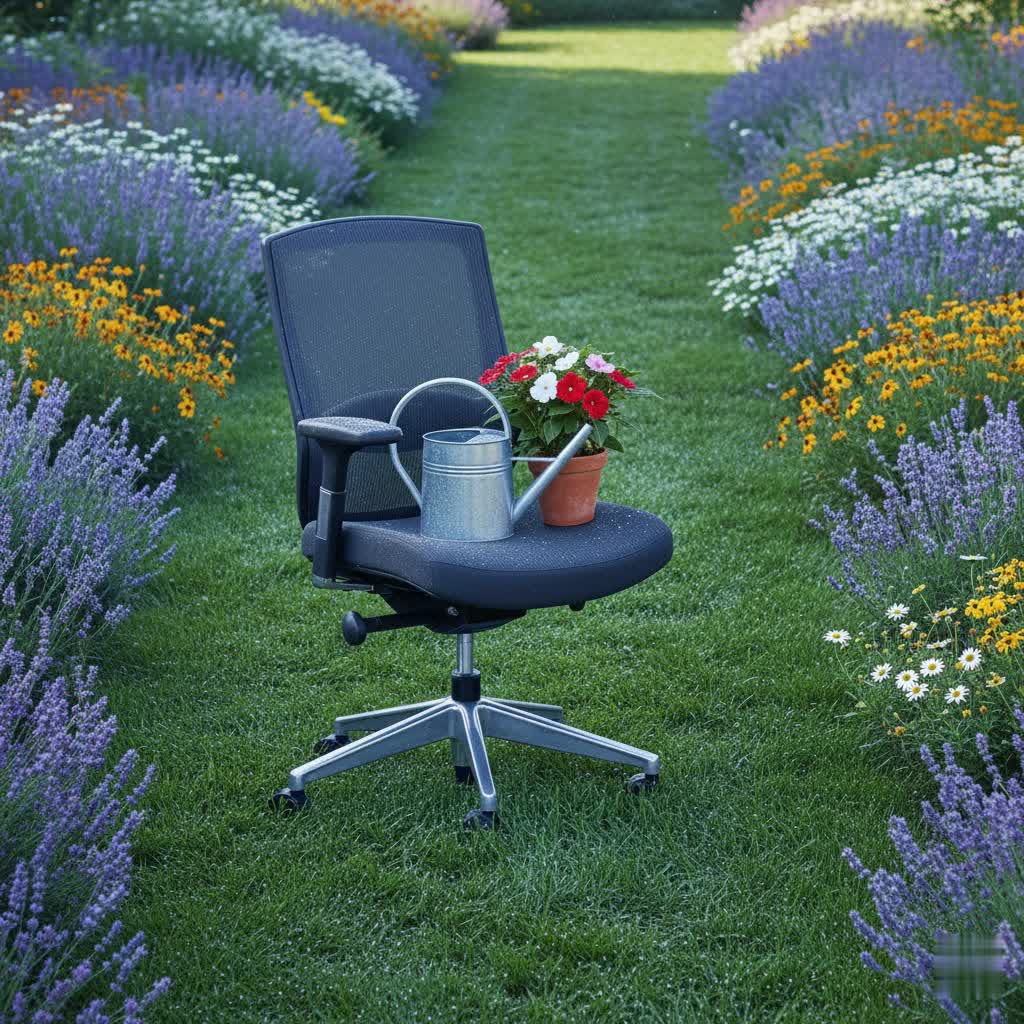
Mesh office chairs are distinguished by their woven, breathable material, typically used for the backrest and often for the seat as well. This unique construction provides a sitting experience that differs significantly from traditional upholstered chairs. Their growing popularity stems from a combination of modern aesthetics and crucial health benefits.
One of the most significant advantages of mesh chairs is their superior breathability and ventilation. The open weave of the mesh allows air to circulate freely between your body and the chair. This prevents heat and sweat from building up, keeping you cool and comfortable, especially during long work sessions or in warmer environments.
Beyond staying cool, high-quality mesh chairs offer comfortable and ergonomic spinal support. The material possesses a slight elasticity, conforming to your body’s natural curves, including the cervical, thoracic, and lumbar regions of the spine. This adaptability helps maintain proper spinal alignment, reducing strain on discs and potentially alleviating back pain. A study by office furniture brands indicated that users experiencing mild back pain reported a noticeable reduction in discomfort after switching to mesh chairs.
Moreover, mesh chairs often boast a lightweight construction and a modern, fashionable design. Weighing less than their padded or leather counterparts, they are easier to move, making them ideal for flexible workspaces or smaller rooms. Their sleek, minimalist appearance seamlessly integrates into contemporary office or home decor, adding a touch of sophistication without visual bulk. Additionally, mesh chairs are generally easy to maintain, requiring only a quick wipe-down for most spills and a vacuum for dust.
Types of Mesh Office Chairs
While the term “mesh office chair” might suggest a single design, there are primarily two distinct types based on their material composition:
- Mesh Back with Padded Seat: This is arguably the most common and widely preferred configuration. These chairs feature a breathable mesh backrest paired with a cushioned seat, often upholstered in fabric or sometimes leather. This design combines the ventilating benefits of mesh for your back with the traditional comfort and pressure distribution of a padded seat, making it a safe choice for many users.
- All-Mesh Chairs: These chairs utilize mesh for both the backrest and the seat. While they offer maximum breathability and a truly suspended feel, the all-mesh seat can sometimes feel less forgiving than a padded one, especially during extended periods. Some users might experience a sensation of “sitting on a bench” or “floating on top” rather than sinking into the chair. High-quality all-mesh chairs use advanced mesh types that are softer and more supportive to counteract this.
Beyond material, mesh chairs also come in various back heights, including high-back models that often feature an adjustable headrest for neck support, and mid-back or task chairs designed for more focused work without head and neck support.
Comparing Mesh with Other Office Chair Materials
| Feature | Mesh Chair | Fabric Chair | Leather Chair |
|---|---|---|---|
| Breathability | Excellent (prevents heat/sweat buildup) | Moderate (can trap some heat) | Poor (can cause sweating, especially in heat) |
| Comfort | Conforms to body, supportive, can be firm | Soft, cushioned, good for long hours | Luxurious, cushioned, can be hot |
| Durability | High-quality mesh is very durable; cheaper mesh can sag/tear | Varies by fabric; prone to staining/pilling | Highly durable, but prone to cracking over time |
| Maintenance | Easy to wipe clean; can trap dust | Can be difficult to clean stains | Easy to wipe clean; needs conditioning |
| Aesthetic | Modern, minimalist, sleek | Versatile, wide range of styles/colors | Classic, executive, high-end |
| Cost | Wide range, good value for ergonomic benefits | Generally affordable, mid-range | Often the most expensive |
Important Features to Consider
When investing in a mesh office chair, focusing on specific features can significantly impact your comfort, posture, and overall productivity.
Adjustable Ergonomics
The hallmark of a great office chair is its adjustability, allowing you to tailor it to your unique body and work style.
- Seat Height and Depth: Essential for ensuring your feet rest flat on the floor and your knees are at a 90-degree angle, preventing pressure on your thighs. Seat depth adjustment allows you to use the full seat pan while maintaining a gap between the seat edge and the back of your knees.
- Lumbar Support: Crucial for maintaining the natural inward curve of your lower spine. Look for chairs with adjustable lumbar support (height and depth) to customize the fit precisely where your back needs it most.
- Armrests: Adjustable armrests (2D, 3D, or 4D, moving up/down, forward/back, pivot, and in/out) help reduce tension in your shoulders and neck. They should allow your arms to rest comfortably, keeping your elbows close to your body at a 90-degree angle.
- Tilt Mechanism and Recline: A quality mesh chair should offer various recline options, including tilt tension control to adjust resistance, tilt lock to secure your preferred angle, and a synchro-tilt mechanism that reclines the backrest more than the seat, promoting healthy movement and weight distribution.
- Headrest: An optional but beneficial feature, especially for those who recline frequently or need neck support. Adjustable headrests ensure proper alignment.
|
Our Picks for the Best Office Chair in 2026
As an Amazon Associate I earn from qualifying purchases.
|
||
| Num | Product | Action |
|---|---|---|
| 1 | Vanity Chair with Wheels,Cute Cat Paw Office Chair with Back,360°Rotating Height Adjustable Armless Chair in Vibrant Color-Blocking,Small Desk Chair,Plush Cushion for Bedroom,Make-Up Room Home Office |

|
| 2 | Amazon Basics Ergonomic High-Back Office Chair with Flip-Up Arms, Adjustable Lumbar Support, Height Adjustable, 29.5"D x 27.5"W x 44.75"H, Black |
|
| 3 | COMHOMA Big and Tall Office Chair 400LBS Wide Ergonomic Gaming Chair with Deluxe Embossing Designed Leather with Foot Rest,150°Reclining Adjustable Armrests Pocket Spring Back Support and Pillow |
|
| 4 | BestOffice - Ergonomic Office Chair - Mid-Back Swivel Desk Chair - Breathable Backrest & Lumbar Support - Adjustable Height - Sponge Seat - Rolling Wheels - Dark Black - for Adults & Women |
|
| 5 | TRALT Office Chair - Ergonomic Desk Chair with Adjustable Lumbar Support, Mesh Computer Chair, Executive Chairs for Home Office Comfortable Lumbar Support (Black) |
|
| 6 | Amazon Basics Classic Puresoft PU Padded Mid-Back Height Adjustable Office Computer Desk Chair with Armrest, 26"D x 23.75"W x 42"H, Black |
|
| 7 | Marsail Ergonomic Office Chair: Office Desk Chair with High Back Mesh and Adjustable Lumbar Support Rolling Work Swivel Task Chairs with Wheel 3D Armrests and Headrest |
|
| 8 | Big and Tall Office Chair with Footrest, High Back Executive Leather Desk Chair with Lumbar Support, Reclining Office Chair with Adjustable Angle, Home Office Ergonomic Computer Gaming Chair |
|
| 9 | Amazon Basics Ergonomic Executive Office Desk Chair with Lumbar Support, Flip-up Armrests, Adjustable Height, Cream Leather |
|
| 10 | Amazon Basics Executive Desk Chair with Easy Assembly, 275lb Capacity, Oversized Cushion, 29.13"D x 25.2"W x 43.11"H, Ivory Bonded Leather |
|
Mesh Material Quality
Not all mesh is created equal. High-quality mesh is soft, supportive, and retains its shape well over time, resisting sagging and tearing. Inferior mesh can feel rigid, abrasive, or degrade quickly, leading to discomfort and reduced support. Brands like Herman Miller, for example, use advanced mesh materials like 8Z Pellicle known for their durability and comfort.
Seat Comfort
For chairs with a padded seat, look for high-density foam that offers robust support and longevity. A waterfall seat edge design, where the front of the seat slopes downwards, helps reduce pressure on the back of your thighs, improving circulation and reducing fatigue.
Build Quality and Durability
Consider the chair’s frame material (e.g., steel, aluminum, high-grade plastic) and the overall construction. A sturdy frame contributes to the chair’s stability and lifespan. Furthermore, a good warranty indicates the manufacturer’s confidence in their product’s durability.
How to Choose Your Perfect Mesh Office Chair (Buying Guide)
Selecting the right mesh office chair is an investment in your health and productivity. Here’s a practical guide to help you make an informed decision:
- Assess Your Needs and Usage: How many hours do you sit per day? Do you have any specific ergonomic concerns, such as back pain? Are you a tall, short, heavier, or lighter user? Your answers will dictate the level of adjustability and support you require. For prolonged sitting (6+ hours), prioritizing extensive ergonomic features is key.
- Set Your Budget: Mesh chairs are available across a wide price spectrum. Basic models offer essential features, while mid-range and high-end chairs provide superior materials, more adjustments, and enhanced durability. Determine what you’re willing to spend, but remember that a higher price often correlates with better quality and longevity.
- Consider Your Workspace: Measure your desk height and the available space in your office. Ensure the chair’s dimensions, especially armrest height, will fit comfortably under your desk. A lighter mesh chair can also be beneficial in smaller or shared spaces due to its ease of movement.
- Try Before You Buy (If Possible): Nothing beats sitting in a chair to test its comfort and adjustability firsthand. Visit local showrooms if possible to experience different models and features.
- Check the Warranty and Return Policy: A comprehensive warranty (e.g., 5-12 years) on both the frame and mesh indicates a durable product and a confident manufacturer. Understanding the return policy is also important in case the chair isn’t the right fit after initial use.
Top Picks: Highly-Rated Mesh Office Chairs
The market offers a diverse range of high-quality mesh office chairs, each with unique strengths. Brands like Herman Miller, Steelcase, Humanscale, and Eurotech are renowned for their ergonomic designs and durable mesh materials. Chairs such as the Herman Miller Aeron, for instance, are celebrated for their iconic design, superior 8Z Pellicle mesh, and extensive adjustability that has revolutionized office seating. Other models, like the Steelcase Series 1 or FlexiSpot C7, provide excellent ergonomic support and breathability at varying price points, making advanced features accessible to more users. When exploring options, look for reviews highlighting robust lumbar support, customizable armrests, and a resilient mesh that promises comfort for extended periods.
Common Issues and Solutions
While mesh office chairs offer numerous benefits, it’s important to be aware of potential drawbacks and how to address them:
- Limited Long-Hour Comfort: Some users find that mesh chairs, especially those with all-mesh seats, can feel unforgiving after 6+ hours due to rigidity or lack of plush padding. Solution: Opt for a mesh chair with a padded seat or invest in a high-quality all-mesh chair that uses softer, more elastic mesh designed for prolonged use.
- Mesh Degradation and Sagging: Lower-quality mesh can lose its elasticity and sag over time (1-2 years), reducing support and comfort. Sharp objects can also tear the mesh. Solution: Prioritize chairs with high-quality, durable mesh, often indicated by a longer warranty. Avoid carrying sharp objects in your back pockets.
- Pressure Points: The hard plastic or metal frames of some mesh chairs can create pressure points against your back or thighs. Solution: Look for chairs with well-designed frames that minimize contact with your body or feature a waterfall seat edge to alleviate thigh pressure.
- Cleaning Difficulties: Mesh’s woven texture can trap dust, crumbs, and hair, and spills can be harder to clean if they seep into the material. Solution: Vacuum your mesh chair weekly with a brush attachment and wipe spills immediately. For deeper cleaning, use mild soap and water, testing on an inconspicuous area first.
- Weight Limitations: Most mesh chairs have weight limits, and heavier users (over 265 lbs or 120 kg) might experience excessive sagging or discomfort due to insufficient padding. Solution: Look for “heavy-duty” or “big & tall” mesh chairs specifically designed for higher weight capacities, though these may come at a higher cost.
- Imperfect Temperature Control in Cold Environments: While excellent in heat, mesh does not retain warmth. In cold offices or during winter, users might feel chilly. Solution: Use a blanket or seat cushion to add warmth, though this can temporarily reduce the mesh’s breathability.
- Limited Adjustability in Lower-End Models: Cheaper mesh chairs often lack key ergonomic adjustments, making them less suitable for diverse body types or specific needs. Solution: Invest in a mid-range or high-end mesh chair that offers comprehensive adjustability for a truly personalized fit.
“A well-chosen mesh office chair isn’t just furniture; it’s a strategic tool for sustained comfort and peak performance throughout your workday.” – Reviewzlab Expert
Conclusion
Mesh office chairs stand out as a contemporary and highly functional seating solution, offering a compelling blend of breathability, ergonomic support, and modern design. While they excel in keeping you cool and promoting good posture, understanding their nuances, such as mesh quality and adjustability, is key to harnessing their full potential. By carefully considering your individual needs and prioritizing essential features, you can confidently select a mesh office chair that transforms your workspace into a haven of comfort and productivity.
Are you ready to experience the difference a high-quality mesh office chair can make for your daily work life?
Frequently Asked Questions
Are mesh chairs good for long hours of sitting?
Yes, high-quality mesh chairs with ergonomic adjustments are excellent for long hours. Their superior breathability prevents heat buildup, and their ability to conform to your spine provides consistent support, reducing discomfort and fatigue.
Can mesh chairs help with back pain?
Absolutely. Ergonomic mesh chairs that offer adjustable lumbar support are designed to align with your spine’s natural curve, significantly reducing strain and promoting better posture. However, poor quality mesh chairs can exacerbate back pain.
How durable are mesh office chairs?
The durability of a mesh office chair largely depends on the quality of the mesh material and overall construction. High-grade mesh can last 5-8 years or more without significant sagging or tearing, often backed by substantial warranties.
What is the difference between an all-mesh chair and a mesh-back chair with a padded seat?
An all-mesh chair has both a mesh backrest and seat, offering maximum ventilation. A mesh-back chair features a mesh backrest but a cushioned, upholstered seat, combining breathability with traditional padded comfort.
How should I clean my mesh office chair?
For regular maintenance, vacuum the mesh weekly with a brush attachment to remove dust and crumbs. For spills, blot immediately with a clean cloth. For deeper cleaning, use a mild soap solution and water, gently scrubbing, then letting it air dry. Always test cleaning solutions on an inconspicuous area first.
