For many, an office chair is simply a place to sit. Yet, this unassuming piece of furniture holds the power to transform your daily work experience, influencing everything from your physical well-being to your overall productivity. Investing in a good office chair isn’t a luxury; it’s a fundamental commitment to your health and efficiency in the modern workspace. With countless hours spent seated, understanding what truly makes a good office chair can empower you to make an informed decision that benefits your body and your work.
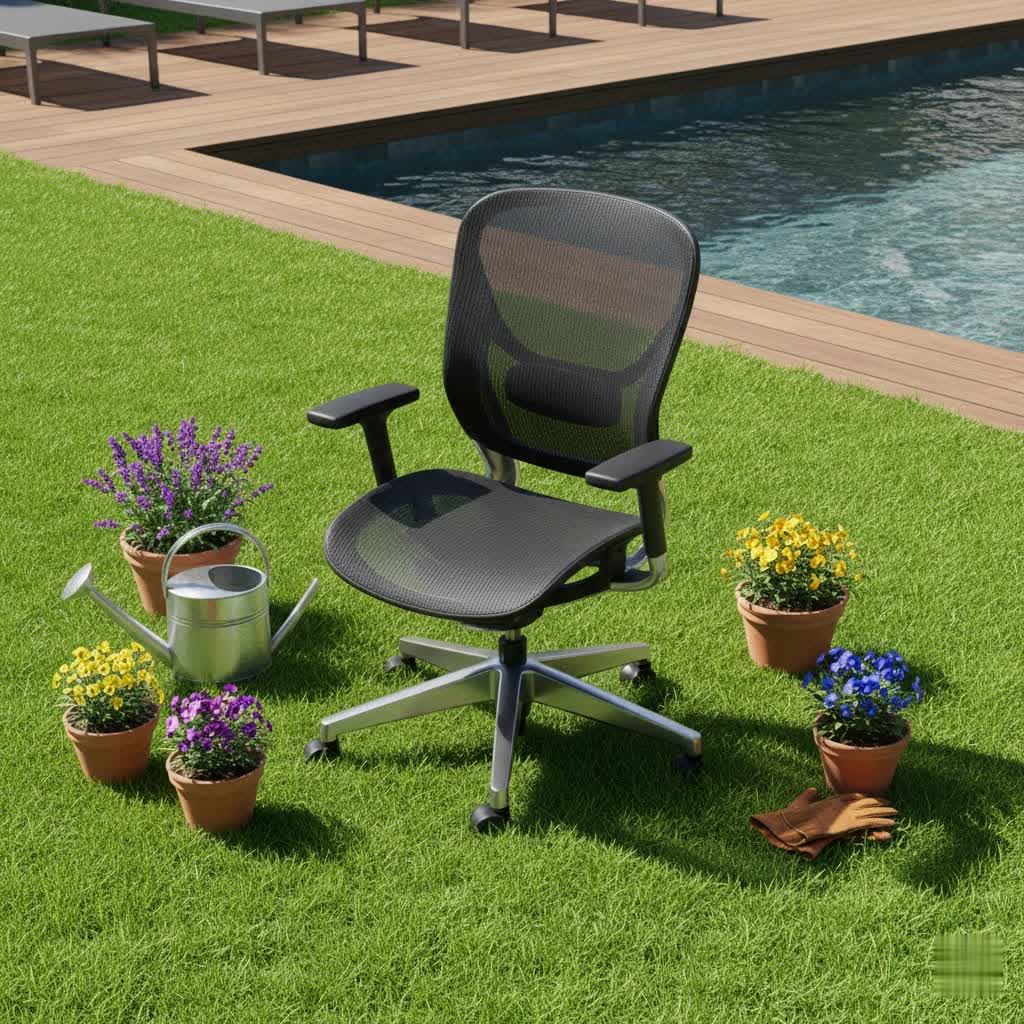
Office Chairs: An Overview and Their Benefits
Office chairs are more than just seating; they are an integral part of a healthy and productive work environment. Their primary purpose has evolved from basic seating to ergonomic solutions designed to support the human body through long periods of sitting. This evolution reflects a growing understanding of how prolonged desk work impacts health, leading to innovations that prioritize posture, comfort, and adaptability.
The market offers a diverse array of office chairs, each tailored to different needs, preferences, and budgets. From traditional executive chairs to highly specialized ergonomic models, the choice can be overwhelming. However, all quality office chairs share a common goal: to provide a supportive foundation that minimizes strain and enhances focus. The benefits of using a high-quality office chair are far-reaching, including reduced back and neck pain, improved blood circulation, enhanced concentration, and increased overall energy levels throughout the day. By supporting the body’s natural alignment, a good office chair helps prevent chronic issues and fosters a more comfortable and sustainable working routine.
Types of Office Chairs Explained
Understanding the different types of office chairs is crucial for selecting the one that best suits your individual needs and work style. Each category offers a unique set of features and benefits.
Swivel Office Chairs
Swivel office chairs are perhaps the most common type, recognized by their ability to rotate 360 degrees and often featuring wheels for easy mobility.
- Pros: High mobility, ease of movement around the workspace, often adjustable in height.
- Cons: Can sometimes lack advanced ergonomic features if not specifically designed as such; lower-quality models may wear out quickly.
- Key Features: Swivel mechanism, castor wheels, typically adjustable seat height.
|
Our Picks for the Best Office Chair in 2026
As an Amazon Associate I earn from qualifying purchases.
|
||
| Num | Product | Action |
|---|---|---|
| 1 | Amazon Basics Ergonomic Executive Office Desk Chair with Lumbar Support, Flip-up Armrests, Adjustable Height, Cream Leather |

|
| 2 | TRALT Office Chair - Ergonomic Desk Chair with Adjustable Lumbar Support, Mesh Computer Chair, Executive Chairs for Home Office Comfortable Lumbar Support (Black) |
|
| 3 | Vanity Chair with Wheels,Cute Cat Paw Office Chair with Back,360°Rotating Height Adjustable Armless Chair in Vibrant Color-Blocking,Small Desk Chair,Plush Cushion for Bedroom,Make-Up Room Home Office |
|
| 4 | BestOffice - Ergonomic Office Chair - Mid-Back Swivel Desk Chair - Breathable Backrest & Lumbar Support - Adjustable Height - Sponge Seat - Rolling Wheels - Dark Black - for Adults & Women |
|
| 5 | COMHOMA Big and Tall Office Chair 400LBS Wide Ergonomic Gaming Chair with Deluxe Embossing Designed Leather with Foot Rest,150°Reclining Adjustable Armrests Pocket Spring Back Support and Pillow |
|
| 6 | Marsail Ergonomic Office Chair: Office Desk Chair with High Back Mesh and Adjustable Lumbar Support Rolling Work Swivel Task Chairs with Wheel 3D Armrests and Headrest |
|
| 7 | Big and Tall Office Chair with Footrest, High Back Executive Leather Desk Chair with Lumbar Support, Reclining Office Chair with Adjustable Angle, Home Office Ergonomic Computer Gaming Chair |
|
| 8 | Amazon Basics Executive Desk Chair with Easy Assembly, 275lb Capacity, Oversized Cushion, 29.13"D x 25.2"W x 43.11"H, Ivory Bonded Leather |
|
| 9 | Amazon Basics Ergonomic High-Back Office Chair with Flip-Up Arms, Adjustable Lumbar Support, Height Adjustable, 29.5"D x 27.5"W x 44.75"H, Black |
|
| 10 | Amazon Basics Classic Puresoft PU Padded Mid-Back Height Adjustable Office Computer Desk Chair with Armrest, 26"D x 23.75"W x 42"H, Black |
|
Mesh Office Chairs
Mesh chairs are celebrated for their modern aesthetic and exceptional breathability, making them a popular choice in warmer climates or for individuals who tend to overheat.
- Pros: Excellent ventilation keeps you cool, lightweight design, often provide good back support conforming to your spine.
- Cons: Mesh may stretch or sag over time, and some find the texture less soft than fabric or leather.
- Best Suited For: Individuals who prioritize airflow and a modern look, or those working in warmer environments.
Leather Office Chairs
Leather chairs exude a sense of luxury and professionalism, often found in executive offices. They offer a firm yet comfortable seating experience.
- Pros: Durable and long-lasting with proper care, elegant appearance, easy to clean spills.
- Cons: Can be expensive, less breathable than mesh, may feel hot in warm conditions, can crack over time without maintenance.
- Maintenance: Requires regular cleaning and conditioning to prevent cracking and maintain its appearance.
Ergonomic Office Chairs
Ergonomic chairs are specifically designed to provide optimal support for the body, promoting healthy posture and reducing the risk of musculoskeletal problems.
- Pros: Highly adjustable to fit individual body types, superior lumbar and spinal support, significantly reduces discomfort and fatigue.
- Cons: Generally more expensive than standard chairs, can have a complex appearance due to multiple adjustment levers.
- Why Choose: Ideal for anyone who spends long hours at a desk, especially those with existing back issues or a proactive approach to health and well-being. They are an investment in long-term health and productivity.
Comparing Office Chair Types
Choosing the right chair often comes down to balancing features, comfort, and budget. Here’s a comparison to help highlight the differences.
| Criteria | Swivel Office Chair (Basic) | Mesh Office Chair | Leather Office Chair | Ergonomic Office Chair |
|---|---|---|---|---|
| Price Range | Low – Mid | Mid – High | Mid – High | High |
| Material | Fabric, basic synthetic | Mesh, fabric seat | Genuine/bonded leather | Mesh, fabric, high-density foam |
| Durability | Moderate | Good | Excellent (with care) | Excellent |
| Breathability | Moderate | Excellent | Low | Excellent (often mesh back) |
| Adjustability | Basic (height) | Moderate (height, tilt) | Moderate (height, tilt) | High (multiple points) |
| Comfort | Basic | Good (flexible back) | Good (firm support) | Superior (customizable) |
| Back Support | Basic | Good (conforming) | Good (structured) | Excellent (adjustable lumbar) |
Evaluation and Ranking:
For overall health and long-term comfort, Ergonomic Office Chairs consistently rank highest due to their extensive adjustability and focus on body support. Mesh Office Chairs are a strong second for their breathability and comfort, especially in specific environments. Leather Office Chairs offer durability and aesthetics for a professional look, while basic Swivel Office Chairs provide entry-level functionality and mobility.
Essential Features to Consider
A truly good office chair is defined by its ability to adapt to you, not the other way around. Several key features contribute to this adaptability and overall effectiveness.
Adjustability for Height and Tilt
The ability to adjust seat height is fundamental. Your feet should rest flat on the floor or a footrest, with your knees forming a 90-degree angle. Furthermore, tilt and recline options allow you to change your posture throughout the day, which is vital for reducing static load on your spine and promoting blood flow. Look for chairs with synchronized tilt mechanisms and tension control.
Lumbar and Spinal Support
Proper lumbar support is critical for maintaining the natural inward curve of your lower back, preventing slouching and reducing pressure on the spinal discs. Many ergonomic chairs offer adjustable lumbar support, allowing you to position it precisely where your body needs it most. A high backrest can also support your upper back and shoulders, especially if you have a taller stature.
Material and Breathability
The choice of material significantly impacts comfort and durability. Breathable mesh backs are excellent for air circulation, preventing heat buildup. Fabric upholstery is often soft and comfortable, while leather provides a premium feel and durability. The seat cushion should be firm enough to provide support without being hard, and thick enough to prevent feeling the chair’s base over time.
Durability and Weight Capacity
A good office chair is an investment designed to last for years. Look for sturdy construction, high-quality components, and a strong base (preferably a five-star base for stability). Check the manufacturer’s specified weight capacity to ensure the chair can safely accommodate you. A good warranty is often an indicator of the manufacturer’s confidence in their product’s durability.
Your Guide to Choosing the Right Office Chair (Buying Guide)
Selecting the perfect office chair involves more than just picking a stylish design. It requires a thoughtful assessment of your personal needs, workspace, and budget.
Determine Your Usage Needs
Consider how many hours you spend sitting each day. If you work long hours (e.g., 6-8+ hours), an advanced ergonomic chair with extensive adjustability is highly recommended. For occasional use, a simpler, less adjustable chair might suffice. Think about specific activities you perform—do you need to lean forward often, or do you frequently recline?
Set Your Budget
Office chairs range widely in price, from budget-friendly options to high-end executive models. Determine what you are willing to spend, but remember that a higher price often correlates with better ergonomics, materials, and durability. View it as an investment in your health and productivity, not just a cost.
Assess Your Workspace
The size of your workspace dictates the physical dimensions of the chair you can accommodate. Measure your desk height and the available space to ensure the chair fits comfortably without hindering movement. Consider if you need features like flip-up armrests to tuck the chair under a desk.
Try Before You Buy
Whenever possible, try out chairs in person. Sit in various models, adjust all their features, and mimic your typical sitting postures. Pay attention to how the lumbar support feels, if the seat depth is appropriate, and if the armrests provide adequate support without being intrusive. This hands-on experience is invaluable for finding a truly good office chair that fits your unique body.
Top Picks: Most Popular Office Chairs
While specific brand names are countless, certain types and characteristics consistently rank as “top picks” for their balance of features, comfort, and value.
For those prioritizing ultimate ergonomic support and longevity, high-end adjustable chairs with extensive lumbar and posture support are favored. These often feature breathable mesh backs, multi-directional armrests, and dynamic recline mechanisms. Their main advantage lies in their ability to be fine-tuned to almost any body type, significantly reducing discomfort over long workdays. The primary drawback is their higher price point, but they are often backed by long warranties.
For a blend of comfort and affordability, mid-range ergonomic task chairs are excellent. These typically offer essential adjustments like seat height, tilt, and basic lumbar support. They are a significant upgrade from basic swivel chairs, providing much-needed comfort for moderate daily use without breaking the bank. While they might lack some of the premium features of their high-end counterparts, they deliver solid performance and durability.
Lastly, stylish mesh-back chairs remain popular for their contemporary aesthetics and cooling properties. Many models now integrate better ergonomic features, making them a good choice for those who want both form and function. They are especially popular in modern home offices where design plays a significant role.
Common Office Chair Problems and Solutions
Even the best office chairs can present issues if not used or maintained correctly. Here are some common problems and practical solutions.
Back Pain from Prolonged Sitting
Cause: Often due to poor posture, insufficient lumbar support, or a chair that isn’t properly adjusted to your body.
Solution: Ensure your chair’s lumbar support aligns with the natural curve of your lower back. Adjust your seat height so your feet are flat and knees are at 90 degrees. Take regular breaks to stand, stretch, and walk around. Consider adding an ergonomic cushion if your chair lacks built-in support.
Squeaky Chairs
Cause: Loose bolts, dry moving parts (like the tilt mechanism or gas lift), or friction between components.
Solution: Tighten all visible bolts on the chair’s base, arms, and backrest. Apply a silicone-based lubricant (avoid oil-based ones as they attract dust) to moving parts like the tilt mechanism and any springs. For a squeaky gas lift, clean it thoroughly and apply lubricant.
Cleaning and Maintenance of Office Chairs
Cause: Accumulation of dust, spills, and general wear and tear can reduce the chair’s lifespan and appearance.
Solution:
- Fabric/Mesh: Vacuum regularly to remove dust. Spot clean spills immediately with a mild detergent and a damp cloth, blotting gently.
- Leather: Wipe down with a soft, damp cloth. Use a specialized leather cleaner and conditioner every few months to prevent drying and cracking.
- General: Periodically check and tighten all screws and bolts. Lubricate moving parts as needed. Avoid harsh chemicals that can damage materials.
“A good office chair is not just a place to sit; it’s a silent partner in your daily endeavors, fostering health and focus that ripples through your entire workday.” – Dr. Emily R. Chen, Ergonomics Specialist
Conclusion
Choosing a good office chair is a significant decision that profoundly impacts your health, comfort, and productivity. From understanding the nuances of ergonomic design to assessing different materials and features, a thoughtful approach ensures you find a chair that truly serves your needs. Prioritizing adjustability, robust support, and durability will lead you to a chair that not only alleviates discomfort but also empowers you to work more efficiently. Remember, your ideal office chair should feel like an extension of your body, supporting you through every task. What will be the defining feature of your next good office chair?
Frequently Asked Questions
What makes an office chair ergonomic?
An ergonomic office chair is specifically designed to support the body’s natural posture and movements. Key features include adjustable seat height and depth, lumbar support, armrests, and backrest recline, all customizable to fit an individual’s unique body dimensions and preferences, reducing strain and promoting comfort.
How much should I expect to spend on a good office chair?
The price of a good office chair varies widely. While basic models can start from $100-$200, a high-quality, fully ergonomic chair with durable materials and extensive adjustability typically ranges from $400 to over $1000. Consider it an investment in your long-term health.
Can a good office chair really prevent back pain?
Yes, a good office chair, especially an ergonomic one, can significantly help prevent back pain. By providing proper lumbar support, encouraging healthy posture, and allowing for adjustments that fit your body, it reduces pressure on your spine and muscles, minimizing the risk of discomfort and chronic pain.
How do I properly adjust my office chair for optimal comfort?
Start by adjusting the seat height so your feet are flat on the floor and knees are at a 90-degree angle. Position the backrest to support the natural curve of your lower back (lumbar region). Adjust armrests so your arms form a 90-degree angle at the elbows, keeping your shoulders relaxed.
What are the best materials for an office chair?
The “best” material depends on preference. Mesh is excellent for breathability and cooling. Fabric is soft and comfortable. Leather offers durability and a professional look but can be less breathable. Many high-quality chairs combine materials, such as a mesh back with a fabric or foam seat, for balanced benefits.
How often should I replace my office chair?
The lifespan of an office chair varies greatly with quality and usage. A high-quality ergonomic chair can last 5-10 years or even longer, especially if well-maintained and from a reputable brand with a good warranty. Cheaper chairs may need replacing every 1-3 years due to wear and tear.
Is a headrest necessary for a good office chair?
A headrest can be beneficial, especially if you tend to recline or need neck support. It helps to support the head and neck, reducing strain. However, for active sitting or task-oriented work, it’s not always essential, and some prefer chairs without one for greater freedom of movement.
