In today’s fast-paced world, many of us spend a significant portion of our day seated at a desk. Whether you’re a dedicated remote worker, a busy professional, or a student burning the midnight oil, your office chair is more than just a piece of furniture; it’s a critical tool for your health, comfort, and productivity. A well-chosen chair can transform your workspace, prevent aches and pains, and even boost your focus. But with countless options available, how do you find the “nice office chair” that truly fits your needs? This comprehensive guide will navigate the world of office seating, helping you make an informed decision that supports your well-being for years to come.
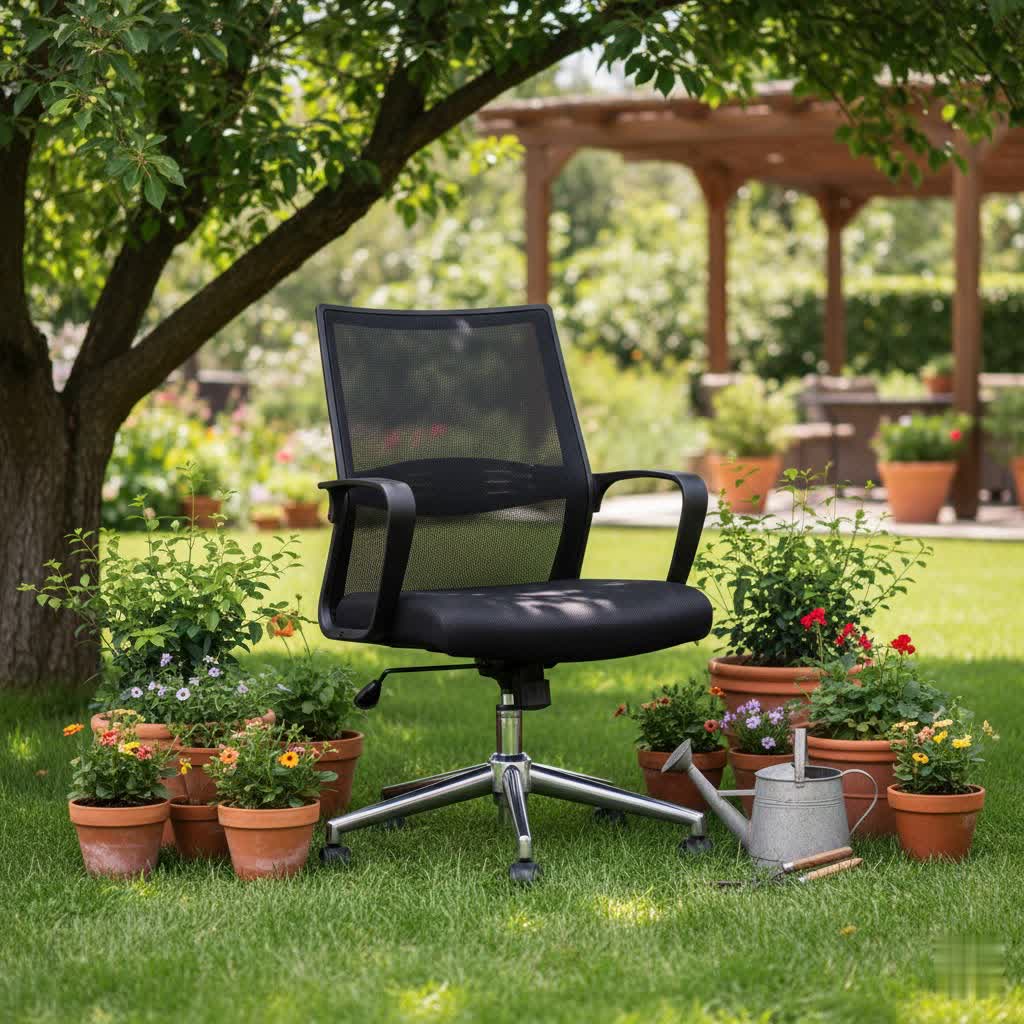
Office Chairs: An Overview and Their Indispensable Benefits
The evolution of the office chair has been remarkable, transitioning from basic, rigid seating to sophisticated ergonomic marvels. This shift reflects a growing understanding of how prolonged sitting impacts our bodies and overall work performance. Investing in a quality office chair is no longer a luxury but a necessity for anyone spending extended periods at a desk.
The benefits extend far beyond mere comfort. A good office chair offers crucial support for your spine, alleviates pressure points, and encourages healthy posture. This leads to a reduction in common issues like back pain, neck stiffness, and fatigue, ultimately enhancing your concentration and productivity. When you’re comfortable and supported, you can dedicate your energy to your tasks, not to fidgeting or discomfort. It’s an investment in your physical health, mental clarity, and long-term professional well-being.
Exploring the Diverse World of Office Chair Types
The market is brimming with various office chair designs, each catering to different needs and preferences. Understanding these categories is the first step toward identifying what will work best for you.
Ergonomic Office Chairs
|
Our Picks for the Best Office Chair in 2026
As an Amazon Associate I earn from qualifying purchases.
|
||
| Num | Product | Action |
|---|---|---|
| 1 | TRALT Office Chair - Ergonomic Desk Chair with Adjustable Lumbar Support, Mesh Computer Chair, Executive Chairs for Home Office Comfortable Lumbar Support (Black) |

|
| 2 | Vanity Chair with Wheels,Cute Cat Paw Office Chair with Back,360°Rotating Height Adjustable Armless Chair in Vibrant Color-Blocking,Small Desk Chair,Plush Cushion for Bedroom,Make-Up Room Home Office |
|
| 3 | Amazon Basics Ergonomic Executive Office Desk Chair with Lumbar Support, Flip-up Armrests, Adjustable Height, Cream Leather |
|
| 4 | COMHOMA Big and Tall Office Chair 400LBS Wide Ergonomic Gaming Chair with Deluxe Embossing Designed Leather with Foot Rest,150°Reclining Adjustable Armrests Pocket Spring Back Support and Pillow |
|
| 5 | Amazon Basics Classic Puresoft PU Padded Mid-Back Height Adjustable Office Computer Desk Chair with Armrest, 26"D x 23.75"W x 42"H, Black |
|
| 6 | Marsail Ergonomic Office Chair: Office Desk Chair with High Back Mesh and Adjustable Lumbar Support Rolling Work Swivel Task Chairs with Wheel 3D Armrests and Headrest |
|
| 7 | Amazon Basics Ergonomic High-Back Office Chair with Flip-Up Arms, Adjustable Lumbar Support, Height Adjustable, 29.5"D x 27.5"W x 44.75"H, Black |
|
| 8 | BestOffice - Ergonomic Office Chair - Mid-Back Swivel Desk Chair - Breathable Backrest & Lumbar Support - Adjustable Height - Sponge Seat - Rolling Wheels - Dark Black - for Adults & Women |
|
| 9 | Big and Tall Office Chair with Footrest, High Back Executive Leather Desk Chair with Lumbar Support, Reclining Office Chair with Adjustable Angle, Home Office Ergonomic Computer Gaming Chair |
|
| 10 | Amazon Basics Executive Desk Chair with Easy Assembly, 275lb Capacity, Oversized Cushion, 29.13"D x 25.2"W x 43.11"H, Ivory Bonded Leather |
|
Often considered the gold standard, ergonomic chairs are designed with adjustability in mind to provide optimal support for various body types and postures. They feature multiple points of articulation, allowing users to fine-tune seat height, depth, backrest angle, lumbar support, and armrest positions. These chairs aim to mimic the body’s natural curves, promoting a neutral spine alignment and reducing the risk of musculoskeletal issues. For anyone spending eight or more hours a day at their desk, an ergonomic chair is highly recommended.
Mesh Office Chairs
Mesh chairs are distinguished by their breathable, woven mesh material, typically on the backrest and sometimes the seat. This material promotes air circulation, keeping you cool and comfortable, especially in warmer environments or during long work sessions. While they often offer excellent lumbar support and ergonomic features, the breathability is their standout advantage. They are a popular choice for those who tend to get warm while sitting and appreciate a modern, sleek aesthetic.
Leather Office Chairs
Exuding a classic and executive feel, leather office chairs are often chosen for their sophisticated appearance and durability. Available in both genuine and faux leather, they offer a firm yet comfortable seating experience. Leather is generally easy to clean and maintains its look well over time. However, it can trap body heat, making it less breathable than mesh. These chairs are a favorite for traditional office settings or those seeking a luxurious touch in their home workspace.
Executive Office Chairs
These chairs are typically larger, more padded, and often made from premium materials like leather or high-quality fabric. Designed for comfort during long hours, they often feature high backs, ample cushioning, and integrated headrests. While many executive chairs incorporate ergonomic elements, their primary focus is often on commanding presence and plush comfort. They are ideal for individuals in leadership roles or those who desire a more substantial, imposing chair.
Task Chairs
Task chairs are generally more compact and budget-friendly, suitable for shorter periods of sitting or for spaces where a smaller footprint is necessary. They usually offer basic adjustments like seat height and sometimes backrest tilt. While they might lack the extensive ergonomic features of higher-end models, they are practical for quick tasks, reception areas, or light office use.
Essential Features to Consider for Your Next Office Chair
Choosing the right office chair is about more than just its looks; it’s about its functionality and how well it supports your body. Here are the crucial features to evaluate:
- Extensive Adjustability: This is paramount. Look for chairs with adjustable seat height, seat depth (to ensure proper thigh support and blood circulation), backrest height (to align with your lumbar curve), and backrest recline with tension control. Independent seat and back tilt mechanisms (like synchronous or asynchronous) allow you to customize your posture throughout the day.
- Lumbar and Spinal Support: The chair should naturally support the inward curve of your lower back. Adjustable lumbar support, whether 2D, 3D, or inflatable, allows you to tailor this support to your unique spinal curvature, significantly reducing lower back pain. A good backrest will also encourage healthy postural changes.
- Adjustable Armrests: Armrests that can be adjusted in height, depth, and pivot (2D, 3D, or 4D) are vital. They should allow your forearms to rest comfortably, supporting your shoulders and neck without causing strain. The ability to push them out of the way can also be beneficial.
- Material and Breathability: Consider the material of the seat and backrest. Mesh offers superior breathability, while fabric provides comfort and durability. Leather offers a premium look but can be less breathable. If you tend to get warm, a mesh back is often the best choice.
- Durability and Weight Capacity: A good office chair is an investment. Look for sturdy construction, often featuring metal bases and high-quality plastics. Check the manufacturer’s stated weight capacity to ensure it accommodates your needs. A long warranty (e.g., 5-12 years) is a strong indicator of a manufacturer’s confidence in their product’s longevity.
- Stable Base and Smooth-Rolling Wheels: A five-star base is standard for stability. High-quality wheels are essential for easy movement across your workspace, preventing strain when reaching for items.
Comparison Table: Office Chair Types at a Glance
| Feature | Ergonomic Chair | Mesh Chair | Leather Chair | Executive Chair | Task Chair |
|---|---|---|---|---|---|
| Ergonomics | Excellent (highly adjustable) | Very Good (often with good lumbar) | Good (can be limited in adjustability) | Good (focused on plush comfort) | Basic (limited adjustability) |
| Breathability | Varies (mesh versions are excellent) | Excellent | Low | Low | Varies |
| Aesthetics | Modern, functional | Modern, light | Classic, luxurious | Impressive, traditional | Simple, compact |
| Durability | High (premium components) | Good (mesh can wear over time) | High (if genuine leather) | High | Moderate |
| Price Range | High | Mid-to-High | Mid-to-High | High | Low |
| Best For | Long hours, health-conscious | Warm environments, modern spaces | Executive offices, traditional decor | Status, plush comfort, long hours | Short duration, small spaces, budget |
Your Buying Guide: How to Choose Your Perfect Office Chair
Navigating the multitude of choices can be daunting, but a systematic approach will lead you to the best fit.
- Assess Your Usage Needs: How many hours a day will you be sitting? For less than 4 hours, a simple task chair might suffice. For 4-8 hours, a quality chair with good adjustments is needed. If you sit for 8-12 hours, you’ll require a chair with comprehensive comfort and extensive adjustability. For 24/7 use, such as in control rooms, look for chairs designed for extreme demands on comfort and durability. Consider your body type and weight; some chairs are designed for specific user sizes.
- Define Your Budget: Office chairs range widely in price. While it’s tempting to opt for the cheapest option, remember that a good chair is an investment in your health and productivity. Determine what you’re willing to spend, keeping in mind the long-term benefits of a high-quality chair.
- Evaluate Your Workspace: Consider the size of your office or home workspace. A large executive chair might overwhelm a small room, while a compact task chair could feel inadequate in a spacious setting. Ensure the chair’s dimensions allow for comfortable movement around your desk.
- Test Before You Buy (If Possible): If feasible, try out chairs in person. Sit in them for at least 10-15 minutes, testing all the adjustment features. Pay attention to how your body feels, especially your lower back, neck, and shoulders. Does it feel supportive? Is it easy to adjust while seated?
- Check the Warranty: A generous warranty reflects the manufacturer’s confidence in their product’s quality and durability. Longer warranties often accompany higher-end chairs, providing peace of mind for your investment.
Top Picks: Highly Recommended Office Chairs
While specific models come and go, certain types of chairs consistently earn high praise for their performance and features across different price points.
- Best Overall Ergonomic: High-end ergonomic chairs from brands known for their engineering, offering extensive adjustability, superior lumbar support, and premium materials. These are built for long-term health and productivity.
- Best Value Ergonomic: Mid-range ergonomic chairs that provide a fantastic balance of essential adjustability, comfort, and durable construction without the premium price tag. Look for those with good lumbar support and breathable mesh.
- Best for Long Hours: Chairs certified for extended use (e.g., 12-hour or 24-hour ratings), featuring thick, supportive padding, advanced synchronous mechanisms, and comprehensive adjustability for continuous comfort.
- Most Stylish: Chairs that blend ergonomic design with modern aesthetics, often featuring sleek lines, unique materials, and a range of color options to complement contemporary office interiors.
Common Issues and Practical Solutions
Even the best office chairs can present challenges if not used correctly or maintained properly.
Addressing Back Pain from Prolonged Sitting
- Cause: Poor posture, inadequate lumbar support, or sitting too long without breaks.
- Solution: Ensure your chair’s lumbar support is properly adjusted to your lower back’s natural curve. Set your seat height so your feet are flat on the floor and your knees are at a 90-degree angle. Take regular short breaks to stand, stretch, and walk around. Consider adding a separate lumbar cushion if your chair’s built-in support is insufficient.
Dealing with a Squeaky Chair
- Cause: Loose screws, dry joints, or worn-out components.
- Solution: Tighten all visible screws, especially around the base, armrests, and seat plate. Apply a silicone-based lubricant (avoid oil-based ones for plastic parts) to any moving metal parts or joints. If the noise persists, it might indicate a worn part that needs replacement.
Cleaning and Maintaining Your Office Chair
- Mesh: Gently vacuum with a brush attachment. For spills, blot immediately with a damp cloth and mild soap, then rinse with a clean damp cloth and let air dry.
- Fabric: Vacuum regularly. Spot clean with a fabric cleaner or a mixture of mild detergent and water. Test on an inconspicuous area first.
- Leather/Vinyl: Wipe down with a damp cloth and mild soap. Use a dedicated leather cleaner and conditioner periodically to keep the material supple and prevent cracking.
Keeping your chair clean and performing basic maintenance can significantly extend its lifespan and maintain its comfort.
“A good office chair is not just a place to sit; it’s a partner in your daily work, empowering you to be effective and comfortable.” – Sophia Chen, Ergonomics Specialist
Conclusion
Choosing the right office chair is a pivotal decision for anyone who spends significant time at a desk. It’s about more than just aesthetics; it’s about investing in your health, comfort, and productivity. By prioritizing ergonomic features, understanding different chair types, and considering your individual needs and budget, you can find a “nice office chair” that truly supports you. Remember, a chair that promotes good posture and reduces strain will ultimately help you work better and feel better.
What features do you value most in an office chair, and how has a good chair impacted your daily work life?
Frequently Asked Questions
What makes an office chair ergonomic?
An ergonomic office chair is specifically designed to support proper posture and provide maximum comfort by allowing extensive adjustments. Key features include adjustable seat height, depth, backrest angle, lumbar support, and armrests, all tailored to fit an individual’s body and reduce strain during long periods of sitting.
How often should I replace my office chair?
The lifespan of an office chair varies greatly depending on its quality, usage, and maintenance. High-quality ergonomic chairs can last 10-15 years or more, especially with good warranties. Budget chairs might need replacement every 2-5 years. Look for signs of wear, reduced support, or persistent discomfort as indicators for replacement.
Can an expensive office chair really prevent back pain?
While an expensive, high-quality ergonomic office chair offers the best chance of preventing back pain by providing superior support and adjustability, it’s not a guaranteed cure-all. Proper adjustment, correct sitting posture, and taking regular breaks are equally important for effective pain prevention and overall spinal health.
Is a mesh back or padded back better for an office chair?
Both mesh and padded backs have advantages. Mesh backs offer excellent breathability, keeping you cool, which is ideal if you tend to get warm. Padded backs, often found in executive or more traditional ergonomic chairs, can provide plush comfort and robust support, though they may retain more heat. The “better” option depends on your personal preference for breathability versus cushioning.
How do I properly adjust my office chair for optimal comfort?
To adjust your office chair, start by setting the seat height so your feet are flat on the floor and your knees form a 90-degree angle. Then, adjust the seat depth to leave a few inches between the seat edge and the back of your knees. Position the lumbar support to fit the natural curve of your lower back, and adjust armrests so your elbows are at a 90-degree angle, supporting your shoulders without shrugging.
