Working from home or in a snug office space often presents a unique challenge: how do you maintain comfort and productivity without sacrificing precious square footage? The answer lies in the small office chair. These specialized chairs are designed to fit seamlessly into tighter areas, proving that you don’t need a sprawling office to enjoy ergonomic support and a stylish workspace. If you’ve ever felt cramped or found a standard office chair overwhelming your compact setup, this guide is for you. We’ll explore how selecting the right small office chair can transform your daily routine, offering surprising benefits that extend beyond just saving space.
Small Office Chairs: An Overview and Their Benefits
In today’s evolving work landscape, office chairs are no longer just a place to sit; they are fundamental tools for productivity and well-being. For those with limited space, a small office chair becomes even more critical. These chairs are specifically engineered to occupy less physical space while still delivering essential ergonomic features and comfort.
The market offers a diverse range of compact options, from minimalist armless designs that tuck neatly under a desk to foldable chairs that disappear when not in use. Beyond their space-saving dimensions, quality small office chairs provide significant advantages. They promote better posture, reduce the risk of discomfort from prolonged sitting, and can even enhance focus by creating an uncluttered and efficient work environment. Opting for a smaller footprint doesn’t mean compromising on support; it means making smart choices that adapt to your unique workspace needs.
Categorizing Small Office Chairs
Small office chairs come in various styles and configurations, each suited to different preferences and workspace demands. Understanding these categories can help you narrow down the perfect fit for your compact office.
- Compact Swivel Chairs: These are miniature versions of traditional office chairs, featuring a smaller base and seat dimensions. They offer 360-degree rotation and smooth-rolling casters, allowing for easy movement within a confined area. Many come with adjustable height and basic tilt functions, making them versatile for various tasks. Their smaller footprint makes them an excellent choice for a desk in a corner or a multi-purpose room.
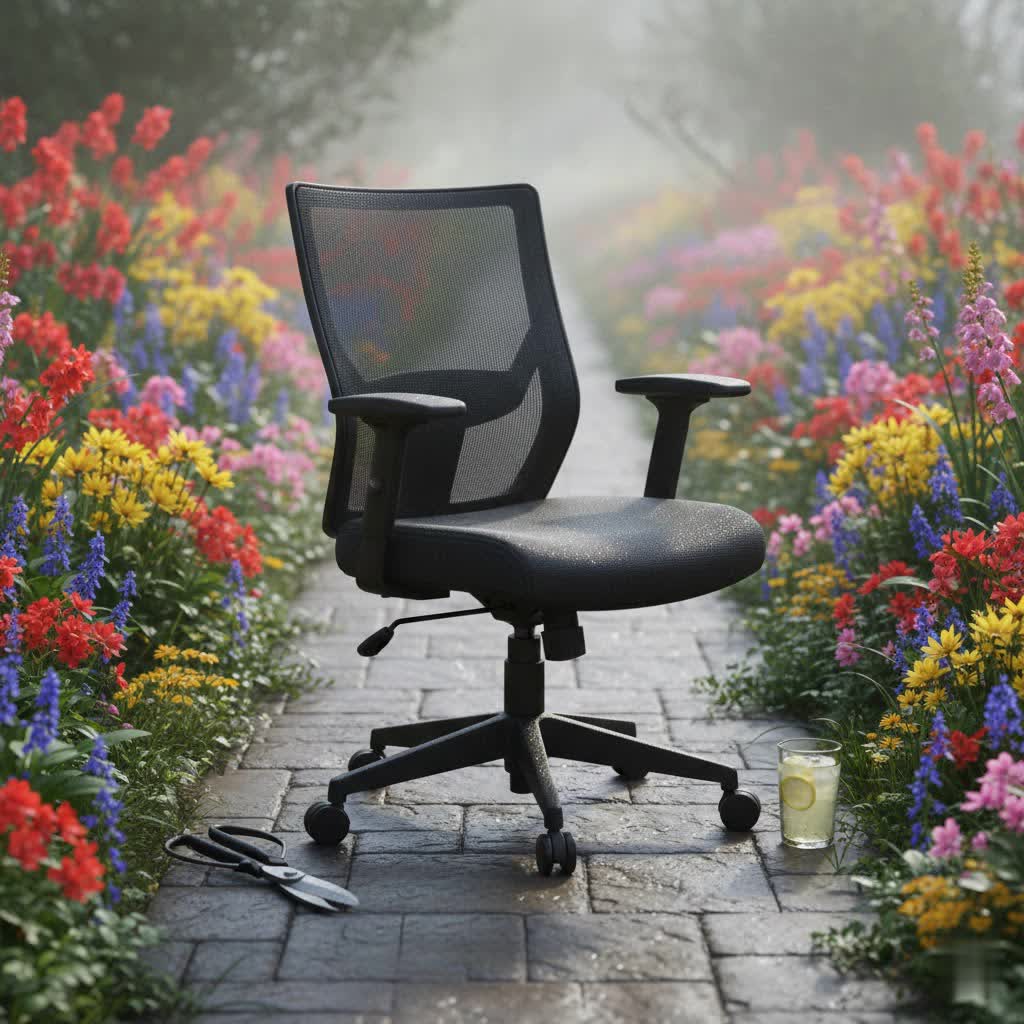
- Mesh Office Chairs: Characterized by their breathable, woven mesh backs and sometimes seats, these chairs are popular for small spaces due to their typically slim profiles. The mesh material allows for excellent airflow, preventing heat buildup during long work sessions, which can be particularly beneficial in warmer, smaller rooms. Their lightweight and minimalist aesthetic also contributes to an open, less cluttered feel in a tiny office.
- Leather/Faux Leather Office Chairs: While often associated with larger executive chairs, compact versions of leather or faux leather chairs offer a touch of sophistication to a small office. Faux leather, in particular, is easy to clean and maintain. When chosen in a slim design, these chairs can provide a professional look without overwhelming the space. They often prioritize style alongside basic ergonomic support.
- Ergonomic Small Office Chairs: The true champions of compact comfort, ergonomic small office chairs prioritize adjustability and support scaled for smaller users or tight spaces. These chairs integrate features like adjustable lumbar support, seat height and depth adjustment, and sometimes even flip-up or removable armrests. The goal is to provide maximum postural support and reduce strain, ensuring that even in a small chair, your body is properly aligned for extended periods of work. Some innovative designs even feature folding capabilities, offering a truly space-saving ergonomic solution.
Comparing Small Office Chair Types
Choosing the right small office chair involves weighing various factors beyond just size. This table provides a quick comparison to help you understand the trade-offs and benefits of each popular type.
| Feature | Compact Swivel Chair | Mesh Office Chair | Leather/Faux Leather Chair (Compact) | Ergonomic Small Office Chair |
|---|---|---|---|---|
| Price Range | Low to Mid | Mid | Mid to High | Mid to High |
| Material | Fabric, basic mesh, sometimes faux leather | Breathable mesh, fabric seat | Genuine leather, faux leather | Mesh, fabric, high-density foam |
| Durability | Good, depends on build quality | Excellent for breathability, generally durable | Very good, especially genuine leather | Excellent, built for long-term support |
| Key Features | Swivel, casters, height adjust, basic tilt | Breathable, lightweight, often armless/flip-up | Stylish, easy to clean (faux), professional look | Extensive adjustability (lumbar, seat depth, arms) |
| Pros | Versatile, affordable, easy movement | Cool, airy, modern aesthetic, slim profile | Elegant, easy maintenance, adds warmth | Superior comfort, health benefits, customizable fit |
| Cons | Limited advanced ergonomics, may lack premium feel | Can be less padded, mesh might stretch over time | Can feel bulky if not carefully selected, less breathable | Higher cost, can still have a moderate footprint |
| Best For | General tasks, short sessions, budget-conscious | Hot climates, modern decor, minimalist setups | Formal home offices, stylish aesthetics | Long working hours, specific posture needs, back pain relief |
Essential Features for Small Office Chairs
Even with a compact design, a small office chair should not compromise on core functionalities that support your health and productivity. Here are the crucial features to consider:
- Height and Tilt Adjustment: The ability to easily adjust the seat height ensures your feet can rest flat on the floor while your elbows align comfortably with your desk. A tilt mechanism allows you to recline slightly, promoting dynamic sitting and reducing static pressure on your spine. Look for a chair that offers a smooth and intuitive adjustment system.
- Lumbar and Spine Support: Adequate lumbar support is non-negotiable for spinal health, even in a small chair. This feature should support the natural inward curve of your lower back, preventing slouching and reducing back pain. Some small ergonomic chairs offer adjustable lumbar support that can be raised or lowered to fit your specific back curve.
- Material and Breathability: The chair’s material impacts both comfort and the overall feel of your small space. Breathable materials like mesh are excellent for air circulation, keeping you cool during long hours. Fabrics offer comfort and warmth, while faux leather provides a sleek look and is easy to wipe clean. Consider your environment and personal preference for optimal comfort.
- Durability and Weight Capacity: A good office chair is an investment, so durability is key. Check the construction materials, such as the base, casters, and frame. The chair should also safely accommodate your weight, ensuring stability and longevity. A sturdy build means your chair will remain a reliable support system for years to come.
- Armrests (or lack thereof): For small spaces, armrest design is critical. Armless chairs offer maximum freedom of movement and tuck completely under desks, saving significant space. Flip-up armrests provide support when needed and can be moved out of the way for closer desk access or storage. Adjustable armrests are ideal for ergonomic alignment, but ensure they don’t add too much bulk.
How to Choose the Perfect Small Office Chair
Selecting the ideal small office chair requires a thoughtful approach. It’s not just about finding the smallest option, but the one that best suits your body and workflow within your limited space.
- Determine Your Usage Needs: How many hours do you spend in your office chair daily? For short bursts of work, a basic compact chair might suffice. However, if you’re sitting for several hours, prioritize ergonomic features like adjustable lumbar support, seat depth, and tilt functions. Long hours demand a chair designed for sustained comfort and health.
- Set Your Budget: Small office chairs come in a wide range of prices. Establish a realistic budget that balances cost with the features and quality you require. While it’s tempting to go for the cheapest option, remember that a more durable and ergonomic chair is an investment in your health and productivity that pays off over time.
- Measure Your Workspace: This is perhaps the most crucial step. Carefully measure the width and depth of your desk opening, as well as the overall floor space available. Pay attention to the chair’s base diameter and whether its armrests (if any) will clear your desk when pushed in. Look for chairs with a base diameter less than 26 inches and seat widths between 18 to 20 inches for optimal room. Some sources suggest a chair with compact dimensions will transform a tiny workspace into an efficient, functional area.
- Try Before You Buy (If Possible): If feasible, visit a showroom to sit in a few different models. Test the adjustments, assess the comfort of the seat and backrest, and see how easily you can move in and out of the chair. Pay attention to how your feet rest on the floor and if the lumbar support aligns with your spine. This hands-on experience is invaluable.
Top Picks: Highly Recommended Small Office Chairs
While specific models constantly evolve, certain types and features consistently receive high praise for their suitability in small office environments. The “best” small office chair often comes down to innovative designs that maximize functionality in minimal space.
- Foldable Ergonomic Chairs: These are game-changers for multi-purpose rooms. When not in use, they can fold flat and be stored away, disappearing to reclaim floor space. Many newer models incorporate surprisingly robust ergonomic adjustments, offering comfort for focused work.
- Armless or Flip-Up Arm Chairs: For desks with limited width or for users who prefer unrestricted movement, armless chairs are a clear winner. Alternatively, chairs with flip-up armrests offer the best of both worlds, providing support when needed and tucking neatly under the desk when not.
- Minimalist Mesh-Back Chairs: Praised for their light visual footprint and excellent breathability, these chairs prevent a small room from feeling overly heavy or cluttered. Their sleek design often integrates well into modern home decor, making them aesthetically pleasing as well as functional.
- Petite-Sized Ergonomic Chairs: Designed specifically for individuals with shorter stature or smaller builds, these chairs offer condensed seat dimensions and a lower height range, ensuring proper ergonomic alignment where standard chairs might fall short.
Ultimately, the top small office chairs are those that intelligently combine compact dimensions with essential ergonomic support and smart design features like easy mobility and adaptable materials.
Common Issues with Small Office Chairs and Solutions
Even with careful selection, you might encounter some common challenges with small office chairs. Knowing how to address them can ensure a more comfortable and productive experience.
- Back Pain from Prolonged Sitting: This is a frequent complaint, especially if the chair lacks proper ergonomic support.
- Solution: Ensure your chair has adjustable lumbar support that fits the curve of your lower back. Adjust your seat height so your feet are flat on the floor and your knees are at a 90-degree angle. Take regular breaks to stand and stretch. Consider adding a small, supportive cushion for extra lumbar or seat padding if needed. Remember, a good office chair is a tool, but conscious posture and movement are equally important.
- Chair Squeaks or Wobbles: Over time, continuous use can lead to minor mechanical issues.
- Solution: Regularly check and tighten all screws and bolts. Lubricate moving parts (like the gas lift cylinder or tilt mechanism) with a silicone-based spray. For squeaking casters, clean them thoroughly and ensure no hair or debris is caught in the wheels.
- Cleaning and Maintenance: Keeping your compact chair clean is crucial for hygiene and longevity, especially in a small space where dust can accumulate quickly.
- Solution: The cleaning method depends on the material. For mesh, vacuum regularly and spot clean with a damp cloth and mild soap. For faux leather, simply wipe with a damp cloth. Fabric chairs may require upholstery cleaner. Always refer to the manufacturer’s cleaning instructions to avoid damage. Regular cleaning not only maintains appearance but also prolongs the chair’s life.
“A well-chosen small office chair is not just furniture; it’s a strategic partner in maximizing both your workspace and your well-being, proving that great things truly do come in smaller packages.”
Conclusion
The journey to finding the ideal small office chair is about harmonizing space-saving design with ergonomic excellence. As we’ve explored, the right compact chair can significantly enhance your comfort and productivity, turning even the most limited workspace into an efficient and inviting environment. By focusing on essential features like adjustable height and tilt, robust lumbar support, breathable materials, and thoughtful dimensions, you can find a small office chair that perfectly fits your needs. Remember to consider your usage, budget, and physical workspace to make an informed decision. Don’t let a compact office deter you from investing in a chair that supports your health and helps you thrive. What feature will you prioritize in your next small office chair to create your perfect productive haven?
Frequently Asked Questions
How small should an office chair be for a tiny space?
|
Our Picks for the Best Office Chair in 2026
As an Amazon Associate I earn from qualifying purchases.
|
||
| Num | Product | Action |
|---|---|---|
| 1 | TRALT Office Chair - Ergonomic Desk Chair with Adjustable Lumbar Support, Mesh Computer Chair, Executive Chairs for Home Office Comfortable Lumbar Support (Black) |

|
| 2 | COMHOMA Big and Tall Office Chair 400LBS Wide Ergonomic Gaming Chair with Deluxe Embossing Designed Leather with Foot Rest,150°Reclining Adjustable Armrests Pocket Spring Back Support and Pillow |
|
| 3 | Vanity Chair with Wheels,Cute Cat Paw Office Chair with Back,360°Rotating Height Adjustable Armless Chair in Vibrant Color-Blocking,Small Desk Chair,Plush Cushion for Bedroom,Make-Up Room Home Office |
|
| 4 | Marsail Ergonomic Office Chair: Office Desk Chair with High Back Mesh and Adjustable Lumbar Support Rolling Work Swivel Task Chairs with Wheel 3D Armrests and Headrest |
|
| 5 | Amazon Basics Ergonomic Executive Office Desk Chair with Lumbar Support, Flip-up Armrests, Adjustable Height, Cream Leather |
|
| 6 | Big and Tall Office Chair with Footrest, High Back Executive Leather Desk Chair with Lumbar Support, Reclining Office Chair with Adjustable Angle, Home Office Ergonomic Computer Gaming Chair |
|
| 7 | Amazon Basics Executive Desk Chair with Easy Assembly, 275lb Capacity, Oversized Cushion, 29.13"D x 25.2"W x 43.11"H, Ivory Bonded Leather |
|
| 8 | BestOffice - Ergonomic Office Chair - Mid-Back Swivel Desk Chair - Breathable Backrest & Lumbar Support - Adjustable Height - Sponge Seat - Rolling Wheels - Dark Black - for Adults & Women |
|
| 9 | Amazon Basics Classic Puresoft PU Padded Mid-Back Height Adjustable Office Computer Desk Chair with Armrest, 26"D x 23.75"W x 42"H, Black |
|
| 10 | Amazon Basics Ergonomic High-Back Office Chair with Flip-Up Arms, Adjustable Lumbar Support, Height Adjustable, 29.5"D x 27.5"W x 44.75"H, Black |
|
For optimal fit in a tiny space, look for chairs with a seat width of 18-20 inches and a base diameter under 26 inches. Armless or flip-up arm designs are also crucial as they allow the chair to tuck neatly under small desks, maximizing usable floor space and maintaining an open feel in your compact work area.
Can a small office chair be truly ergonomic?
Yes, absolutely! Many small office chairs are designed with full ergonomic functionality, including adjustable lumbar support, seat height and depth, and tilt mechanisms. These features are scaled to provide proper postural alignment and comfort, demonstrating that compact size does not mean compromising on essential ergonomic benefits.
What materials are best for small office chairs in warm rooms?
In warm, small rooms, breathable materials like mesh are highly recommended. Mesh backs and seats promote air circulation, preventing heat buildup and keeping you cool. This is a significant advantage over less breathable materials like some types of leather, enhancing comfort during long work sessions in confined spaces.
Are armless small office chairs comfortable for long periods?
Armless small office chairs can be comfortable for extended periods if they offer good lumbar support and other ergonomic adjustments. The lack of armrests provides more freedom of movement and allows you to pull closer to your desk, which some users find preferable. However, if arm support is crucial for your posture, consider models with flip-up or adjustable arms.
How do foldable office chairs compare in comfort to standard small office chairs?
While traditional small office chairs often offer more robust ergonomic features, modern foldable office chairs have significantly improved in comfort. Many now include mesh backs, padded seats, and even adjustable headrests and lumbar support. They are an excellent option for temporary setups or when space flexibility is a top priority, offering surprising support for their compact and storable design.
