Have you ever considered how a comfortable lounge chair could transform your office environment? In today’s dynamic workspaces, an office lounge chair is more than just a piece of furniture; it’s a strategic investment in employee well-being, productivity, and overall office aesthetics. As an admin with over a decade of experience in office furniture, I’ve seen firsthand how the right seating can revolutionize a workspace. This comprehensive guide will explore the essential aspects of office lounge chairs, from their benefits and diverse types to crucial buying considerations, helping you create a space that fosters both comfort and efficiency.
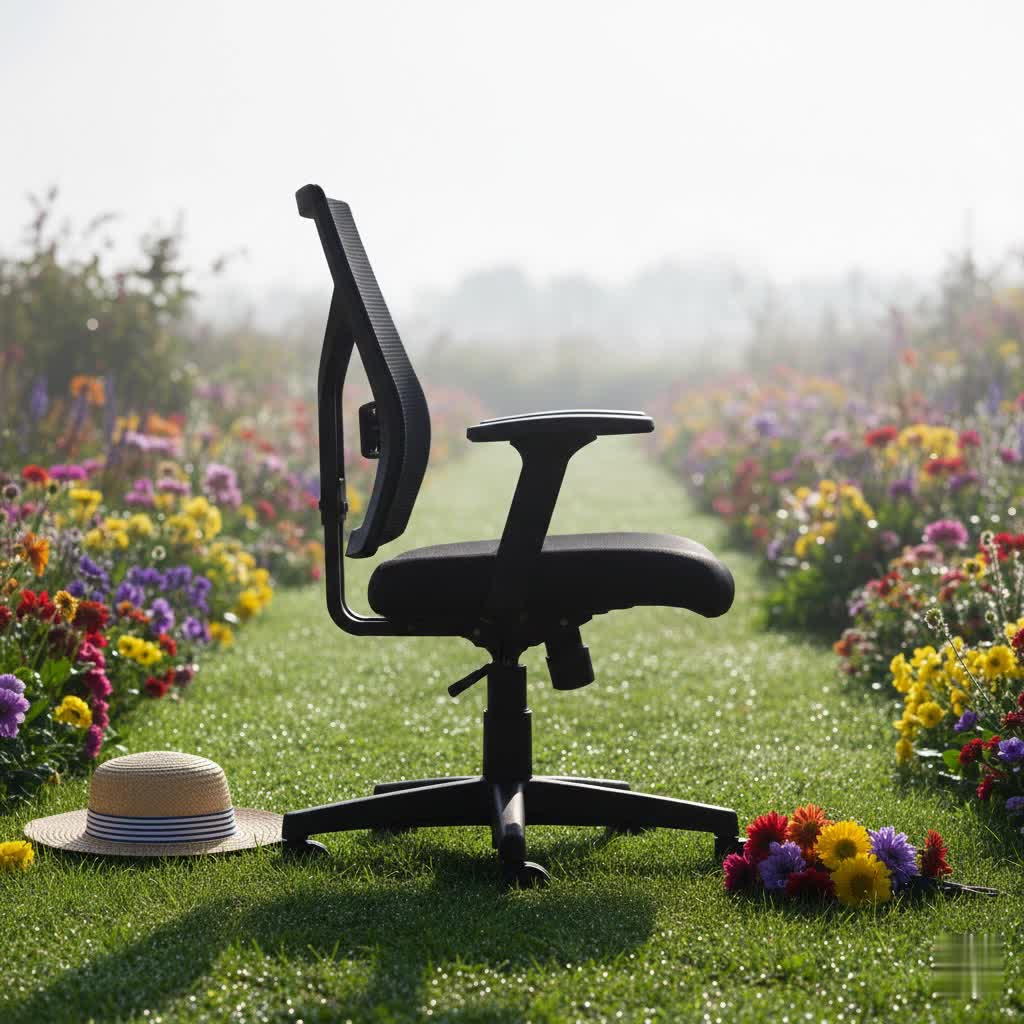
Office Lounge Chairs: Overview and Benefits
Office lounge chairs are designed to provide a relaxed and comfortable seating option within a professional setting, moving beyond traditional task chairs to offer spaces for informal meetings, creative brainstorming, or simply a moment of respite. They represent a growing trend in modern office design, acknowledging the importance of flexible and inviting environments.
Investing in high-quality office lounge chairs brings a multitude of advantages to any workplace. Primarily, they significantly enhance comfort and support, particularly those with ergonomic features that reduce strain and promote better posture during prolonged sitting. This improved physical comfort directly contributes to higher productivity and focus, as employees are less distracted by discomfort. Furthermore, lounge chairs foster a sense of relaxation and can lower stress levels, improving mental well-being and reducing anxiety within the workplace. Beyond the functional benefits, these chairs add a touch of style and sophistication, transforming reception areas, breakout zones, and collaborative spaces into welcoming and visually appealing environments. Their versatility makes them suitable for various applications, from client waiting areas to employee relaxation zones, ultimately enhancing the overall office ambiance and company culture.
Types of Office Lounge Chairs
The world of office lounge chairs offers a rich variety, each bringing its unique blend of style, comfort, and functionality to a space. Understanding these types can help you select the perfect fit for your specific office needs.
- Club Chairs: These are often characterized by their deep seats, low backs, and plush upholstery, offering a classic and luxurious feel. Club chairs are excellent for creating cozy, intimate seating arrangements in reception areas or executive lounges where comfort and a distinguished look are paramount.
- Mid-Century Modern Chairs: Reflecting designs from the mid-20th century, these chairs feature clean lines, organic shapes, and often incorporate exposed wood or metal frames with minimalist upholstery. They provide a stylish, sophisticated aesthetic that can elevate modern and contemporary office interiors, ideal for creative hubs or chic waiting areas.
- Modular Lounge Seating: Offering unparalleled flexibility, modular lounge pieces can be rearranged and combined in various configurations to suit evolving space requirements and functions. These are perfect for dynamic work environments that require adaptable seating arrangements for collaborative sessions or casual group meetings.
- Accent Chairs: While not exclusively “lounge” chairs, many accent chairs offer comfortable, stylish seating suitable for office lounges. They often feature unique designs, vibrant colors, or distinctive textures, acting as focal points that enhance the aesthetic appeal of a space.
- Ergonomic Lounge Chairs: Designed with the human body in mind, these chairs prioritize comfort and support through features like lumbar support, adjustable components, and pressure distribution. They are crucial for promoting healthy posture and reducing discomfort during extended periods of sitting, making them a wise choice for any office aiming to boost employee well-being.
Comparing Office Lounge Chair Types
| Feature | Club Chairs | Mid-Century Modern Chairs | Modular Lounge Seating | Accent Chairs |
|---|---|---|---|---|
| Style | Classic, Plush, Luxurious | Sleek, Retro, Minimalist | Contemporary, Flexible | Diverse, Statement-making |
| Comfort Level | High, Deeply Padded | Moderate to High | Adjustable, Customizable | Varies, often supportive |
| Versatility | Low (fixed configurations) | Medium | High (reconfigurable) | Medium |
| Best Use Case | Reception, Executive Lounge | Modern Office, Creative Space | Breakout, Collaborative Area | Focal Point, Individual Nook |
| Typical Materials | Leather, Velvet, Fabric | Wood, Metal, Fabric | Fabric, Vinyl, Metal | Varied (Fabric, Leather, Wood) |
Key Features to Consider When Buying
Selecting the ideal office lounge chair involves more than just aesthetics; it requires a thoughtful evaluation of several key features that impact comfort, durability, and functionality.
Ergonomics and Adjustability: A truly effective lounge chair prioritizes ergonomic design to provide optimal support. Look for features such as integrated lumbar support that cradles the natural curve of the spine, ensuring comfort even during extended periods of use. Adjustable armrests can help prevent shoulder and neck strain, while some high-end models offer recline functions and adjustable seat depths to accommodate various body types and preferences. The ability to customize the chair to the user’s body is paramount for promoting good posture and reducing discomfort.
Material and Durability: The choice of material significantly affects both the look and longevity of your office lounge chair. High-quality materials like full-grain leather offer a sophisticated aesthetic and are relatively easy to clean and maintain, though they come at a higher price point. Fabric upholstery, available in a vast array of colors and textures, provides a softer, more tactile feel and can enhance breathability. For high-traffic areas, consider performance fabrics or vinyl, which are designed to be more resistant to stains and wear, making maintenance simpler. The chair’s frame construction is equally important; look for sturdy materials like high-strength metal or solid wood that ensure stability and long-term durability.
Size and Space Planning: Before purchasing, carefully measure the intended area to ensure the lounge chair fits proportionally without overwhelming the space. In smaller offices, compact designs or modular pieces that can be reconfigured might be more suitable to maximize space efficiency. Consider the chair’s footprint and how it will integrate with existing furniture and pathways, allowing for easy movement around the room.
Functionality and Additional Features: Think about the primary use of the lounge chair. Will it be for quick breaks, casual meetings, or focused individual work? Some lounge chairs come with convenient features like built-in USB charging ports or cup holders, enhancing their utility in modern workspaces. Mobility, such as lightweight designs or integrated casters, can also be beneficial for flexible layouts.
Style and Aesthetics: The lounge chair should complement your office’s overall design scheme and reflect your brand’s identity. Consider the color palette, design elements, and the visual impact the chair will have. A well-chosen lounge chair can serve as a focal point, enhancing the visual appeal and creating a cohesive, inviting environment.
Your Essential Buying Guide for Office Lounge Chairs
Navigating the options for office lounge chairs can seem daunting, but a structured approach can simplify the process and ensure you make a wise investment.
1. Assess Your Needs: Begin by defining the primary purpose of the lounge chair. Will it be used in a high-traffic reception area, a quiet breakroom, a collaborative zone, or an executive office? How many hours per day will it be occupied, and by whom? Understanding these factors will guide your selection towards specific features and durability levels.
2. Set Your Budget: Office lounge chairs vary widely in price based on materials, design, and brand. Determine a realistic budget range, but remember to prioritize quality over the lowest price. A more expensive, durable chair with ergonomic features is often a better long-term investment than a cheaper alternative that may need frequent replacement or lead to discomfort.
3. Measure Your Space: This crucial step ensures that your chosen chair fits perfectly within the designated area. Measure the length, width, and height of the space, also considering clearance for pathways and surrounding furniture. This prevents overcrowding and ensures a harmonious layout.
4. Test for Comfort: Whenever possible, physically try out different lounge chairs before making a final decision. Sit in them for a few minutes, evaluate the cushioning, back support, and armrest comfort. This firsthand experience is invaluable for assessing ergonomic fit and overall comfort.
5. Consider Maintenance: Different materials require varying levels of care. Leather and vinyl are generally easier to wipe clean, making them suitable for shared or high-traffic areas. Fabric chairs may require more diligent cleaning or the option of removable, washable covers. Choose materials that align with your office’s cleaning capacity and expected usage.
6. Seek Employee Feedback: If the chairs are for a shared employee space, involve your team in the selection process. Their input on comfort and functionality can lead to higher satisfaction and utilization, ensuring the investment truly benefits those who will use it most.
Top Picks: Popular Office Lounge Chair Styles
While specific brands may vary, certain styles of office lounge chairs consistently prove popular due to their blend of design, comfort, and adaptability.
For those prioritizing ergonomic support and modern aesthetics, models often feature sleek lines, adjustable headrests, and integrated lumbar support, frequently upholstered in breathable mesh or high-quality fabric. These are ideal for individuals who might spend longer periods relaxing or brainstorming, needing sustained comfort.
For collaborative and breakout areas, modular lounge systems or compact club chairs are frequently chosen. Modular designs allow for easy reconfiguration, adapting to different group sizes and activities, while smaller club chairs offer inviting individual spots that can be grouped informally. Materials often include durable, easy-to-clean fabrics or vinyl to withstand frequent use.
In executive lounges or reception areas, the emphasis shifts towards luxurious appeal and lasting impressions. Here, you’ll often find generously proportioned lounge chairs upholstered in premium leather or rich fabrics, sometimes with elegant wooden or polished metal accents. These chairs convey a sense of professionalism and comfort, making visitors and clients feel welcomed.
For budget-conscious but style-savvy offices, there are numerous fabric-upholstered options that provide comfort and a contemporary look without a high price tag. These often come in a variety of colors, allowing offices to add a pop of personality to their space without compromising on basic ergonomic principles.
Common Challenges and Solutions with Office Lounge Chairs
Even with careful selection, certain challenges can arise with office lounge chairs. Anticipating these and knowing the solutions can maximize their benefits.
Discomfort or Pain During Use: One of the most common issues, especially with non-ergonomic chairs, is that they can lead to back pain, neck strain, or general discomfort after extended periods. The solution lies in choosing chairs with robust ergonomic features, such as adjustable lumbar support, proper armrest height, and a supportive seat. Encourage users to take regular breaks and adjust their posture to alleviate pressure.
Rapid Wear and Tear: In high-traffic office environments, lounge chairs can quickly show signs of wear, such as flattened cushions, torn upholstery, or wobbly frames. This can be mitigated by investing in chairs made from high-quality, durable materials from the outset. Regular maintenance, including cleaning and checking for loose parts, can significantly extend the lifespan of the furniture.
Space Constraints: Many offices, especially smaller ones, struggle with fitting lounge chairs without making the area feel cramped. The solution is careful space planning and opting for compact designs or modular lounge seating that can be rearranged or scaled down as needed. Armless lounge chairs can also be a good space-saving option.
Cleaning and Maintenance Difficulties: Stains, spills, and general dirt can quickly diminish the appearance of lounge chairs, particularly those with light-colored fabric upholstery. To address this, select chairs with stain-resistant fabrics or materials like leather and vinyl that are easy to wipe clean. For fabric chairs, consider models with removable, washable covers. Regular, gentle cleaning helps preserve the chair’s aesthetics and hygiene.
“A good office lounge chair is not just a place to sit; it’s a partner in creating a work environment where comfort, productivity, and well-being coexist harmoniously.”
Conclusion
The office lounge chair has evolved from a simple seating option to a cornerstone of modern, human-centric workspace design. By understanding the profound benefits—from enhanced comfort and improved posture to boosted productivity and a more inviting atmosphere—you can make informed decisions that positively impact your employees and clients. Whether you prioritize cutting-edge ergonomics, versatile modularity, or classic elegance, the right office lounge chair is an investment in a more functional, stylish, and supportive work environment. Evaluate your needs, explore the diverse types, and focus on key features like adjustability and durable materials to find your perfect match. Take the leap and transform your office into a space where comfort truly meets efficiency.
Which style will best define your office’s comfort and character?
Frequently Asked Questions
What is an office lounge chair used for?
|
Our Picks for the Best Office Chair in 2026
As an Amazon Associate I earn from qualifying purchases.
|
||
| Num | Product | Action |
|---|---|---|
| 1 | BestOffice - Ergonomic Office Chair - Mid-Back Swivel Desk Chair - Breathable Backrest & Lumbar Support - Adjustable Height - Sponge Seat - Rolling Wheels - Dark Black - for Adults & Women |

|
| 2 | Amazon Basics Classic Puresoft PU Padded Mid-Back Height Adjustable Office Computer Desk Chair with Armrest, 26"D x 23.75"W x 42"H, Black |
|
| 3 | Amazon Basics Ergonomic Executive Office Desk Chair with Lumbar Support, Flip-up Armrests, Adjustable Height, Cream Leather |
|
| 4 | TRALT Office Chair - Ergonomic Desk Chair with Adjustable Lumbar Support, Mesh Computer Chair, Executive Chairs for Home Office Comfortable Lumbar Support (Black) |
|
| 5 | Amazon Basics Ergonomic High-Back Office Chair with Flip-Up Arms, Adjustable Lumbar Support, Height Adjustable, 29.5"D x 27.5"W x 44.75"H, Black |
|
| 6 | Vanity Chair with Wheels,Cute Cat Paw Office Chair with Back,360°Rotating Height Adjustable Armless Chair in Vibrant Color-Blocking,Small Desk Chair,Plush Cushion for Bedroom,Make-Up Room Home Office |
|
| 7 | COMHOMA Big and Tall Office Chair 400LBS Wide Ergonomic Gaming Chair with Deluxe Embossing Designed Leather with Foot Rest,150°Reclining Adjustable Armrests Pocket Spring Back Support and Pillow |
|
| 8 | Big and Tall Office Chair with Footrest, High Back Executive Leather Desk Chair with Lumbar Support, Reclining Office Chair with Adjustable Angle, Home Office Ergonomic Computer Gaming Chair |
|
| 9 | Amazon Basics Executive Desk Chair with Easy Assembly, 275lb Capacity, Oversized Cushion, 29.13"D x 25.2"W x 43.11"H, Ivory Bonded Leather |
|
| 10 | Marsail Ergonomic Office Chair: Office Desk Chair with High Back Mesh and Adjustable Lumbar Support Rolling Work Swivel Task Chairs with Wheel 3D Armrests and Headrest |
|
Office lounge chairs are primarily used to create comfortable and inviting spaces for informal meetings, collaborative discussions, relaxation, or individual focused work away from a traditional desk. They enhance employee well-being and office aesthetics.
How do lounge chairs improve office productivity?
By providing comfortable, ergonomic seating, lounge chairs help reduce physical discomfort and stress, which in turn allows employees to maintain focus and energy throughout the day. This improved comfort directly contributes to higher productivity and engagement.
What ergonomic features should I look for?
Look for features such as lumbar support that conforms to the natural curve of your spine, adjustable armrests to prevent shoulder strain, and supportive cushioning. Some advanced models also offer recline functions and adjustable seat depths for personalized comfort.
What materials are best for durability and easy cleaning?
For high durability and ease of maintenance in an office setting, materials like high-quality leather, vinyl, or performance fabrics are excellent choices. These materials are generally resistant to stains and wear, making them easy to wipe clean.
How often should I clean my office lounge chair?
The frequency depends on usage and material. Generally, a light weekly cleaning (vacuuming fabric, wiping leather/vinyl) is recommended. For deeper cleaning, follow manufacturer guidelines, and address spills immediately to prevent permanent stains.
Can a lounge chair fit in a small office?
Yes, many compact lounge chair designs and modular seating options are available that are specifically designed for smaller spaces. Careful measurement and selection of proportional, space-saving models can ensure a comfortable fit without overcrowding the office.
